
One line in one unverifiable profile is the entire documentary basis for calling Satoshi Nakamoto Japanese. Everything else in the record — the language, the clock, the one candidate who actually is Japanese — has to be checked against that single claim, and the three checks do not agree with each other either.
1. The only self-claim
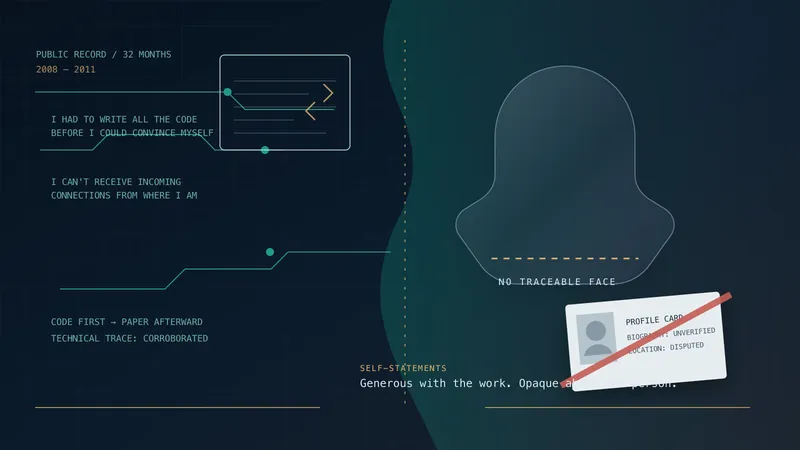
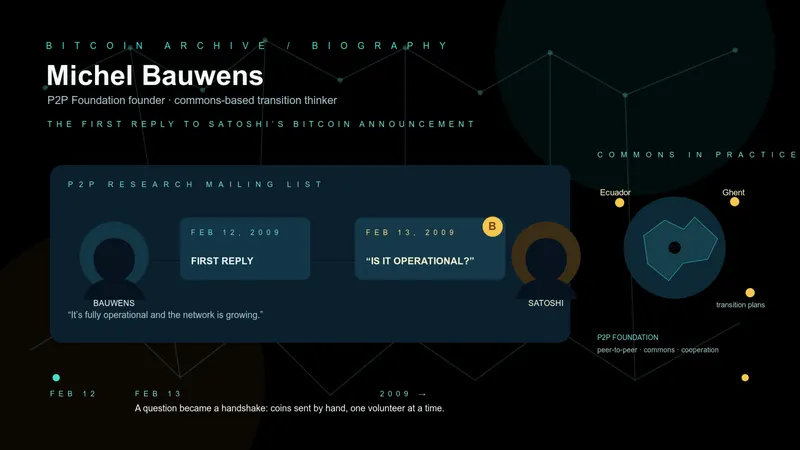
The P2P Foundation profile shows three fields under the name: an age, “Male,” and “Japan.” The age advanced year by year (35 in March 2011, 40 in December 2015), in step with the birth date of April 5, 1975 that is widely reported from the profile. No other document in thirty-two months of correspondence, forum posts, and code repeats any of the three. The day after Satoshi announced Bitcoin there, Michel Bauwens made the same assumption on the P2P Foundation’s research mailing list, with a hedge — “I’m assuming that is where you are based, though I could of course be wrong” — and asked Satoshi to add Japanese initiatives to the P2P Foundation wiki. The self-references inventory catalogues every place Satoshi was the subject of his own sentence and finds the same result: these fields are “stated identity material,” sourced from the profile alone, and are separately listed among what Satoshi’s own statements do not establish. The biography records the same profile as “unverified and widely considered fictitious.”
Fictitious does not mean meaningless. The profile is still the only place Satoshi ever put a number on his own age or a name on his own country. Every other reading in this entry exists because that one claim invites checking.
2. Four separate questions, not one
“Was Satoshi Japanese” collapses four different questions that the record answers separately:
- Nationality — what passport, if any, the profile’s claim would correspond to. Unrecoverable; there is no independent document that could confirm or deny it.
- Native language — what language Satoshi thought in. Approachable through the English prose itself.
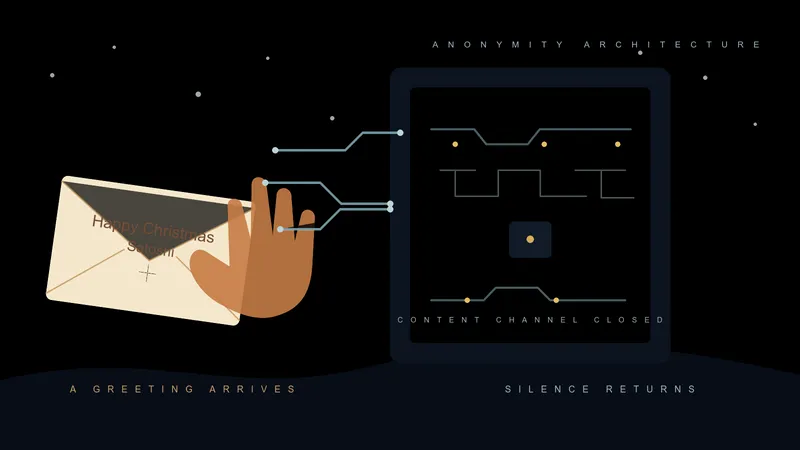
- Activity region — where Satoshi was physically posting and committing from, hour by hour. Approachable through timestamp analysis — and, from a different angle, through what Satoshi declined to say when a correspondent’s greeting invited a geographic answer, as one recorded case shows.
- Candidate fit — whether any specific named, actually-Japanese person matches the rest of the record. Approachable through the one candidate who qualifies.
None of the four is the same evidence. A record that argues against one does not automatically argue against the others.
3. The language
Satoshi’s English is not what a Japanese-educated writer’s English typically reads like. The biography records “fluent English with conventions consistent with British or Commonwealth usage.” Chain Bulletin’s 2020 analysis is more specific: British spellings (“organise,” “colour,” “neighbour”) and the British colloquialism “bloody,” read alongside 742 activity instances, as evidence for London.
This settles the native-language question in one direction only: nothing in the documented prose carries a Japanese-substrate trace — the word-order slips, article and preposition patterns, and translated-concept phrasing that mark English written by a Japanese-L1 writer working in a second language. Thirty-two months of forum posts, mailing-list arguments, private correspondence, and release notes never show it once, across registers that range from academic to casual to terse. That is a large, consistent absence, not a single data point.
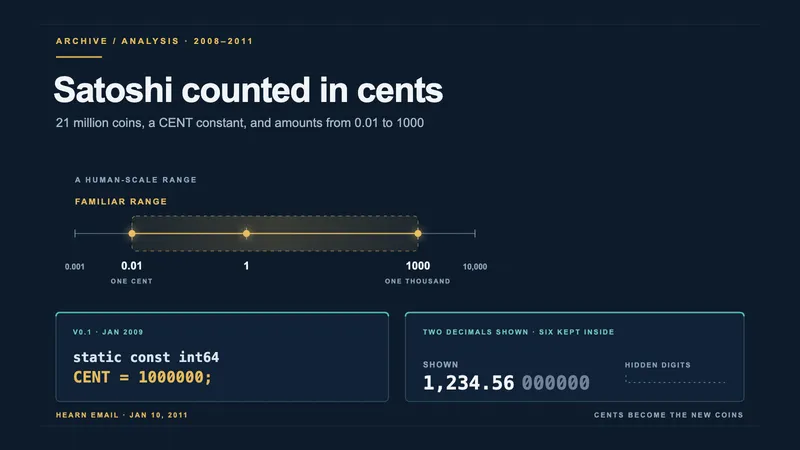
One habit in the same prose bears on residence rather than mother tongue. Satoshi counted money in cents, from the whitepaper’s “every cent in a transfer” to the 2011 email that sized the coin so that typical amounts would fall between 0.01 and 1000, and his own writing never names the yen. Japan has had no coin or note below one yen since 1953. The unit he counted in is followed through his code, fees and correspondence on its own page.
4. The clock — and its own disagreement
Two archive analyses independently timestamp Satoshi’s own activity, and they do not land in the same place.
Chain Bulletin converted 742 BitcoinTalk posts, SourceForge commits, and mailing-list emails into three candidate zones and found a pattern consistent with GMT — London.
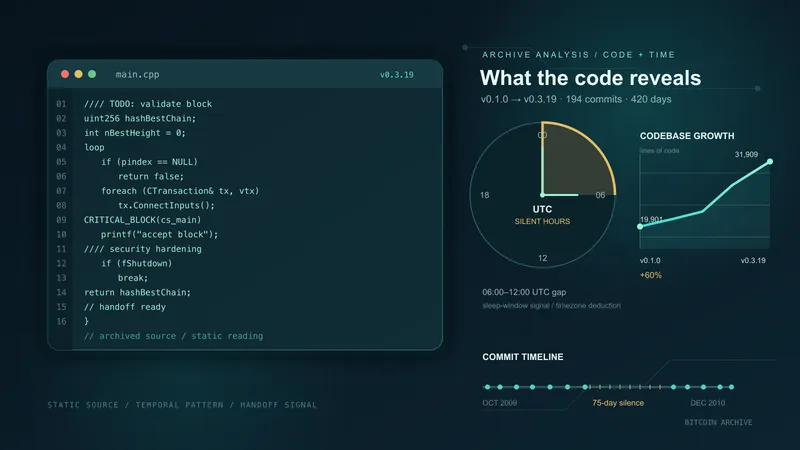
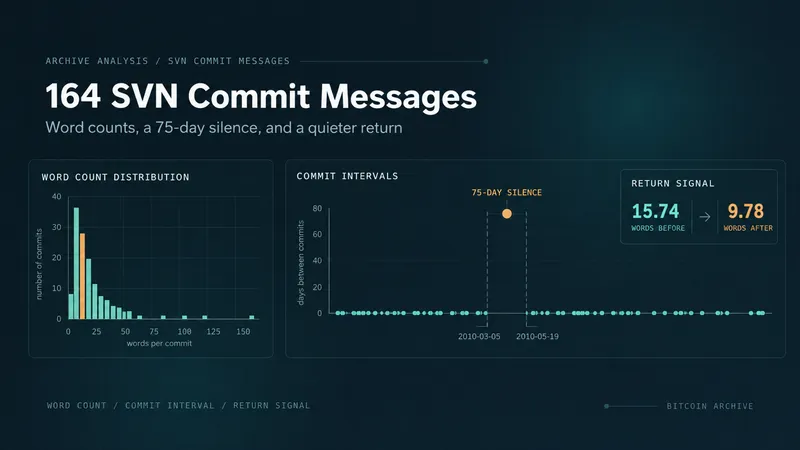
This archive’s own code analysis, working from 164 SVN commits between October 2009 and December 2010, found a near-total absence of commits between 06:00 and 12:00 UTC — a gap consistent with EST or CST, five to six hours west of London. Those same 164 commits are also broken down by message length, inter-commit timing, and diff size in a separate statistical analysis, which does not address timezone.
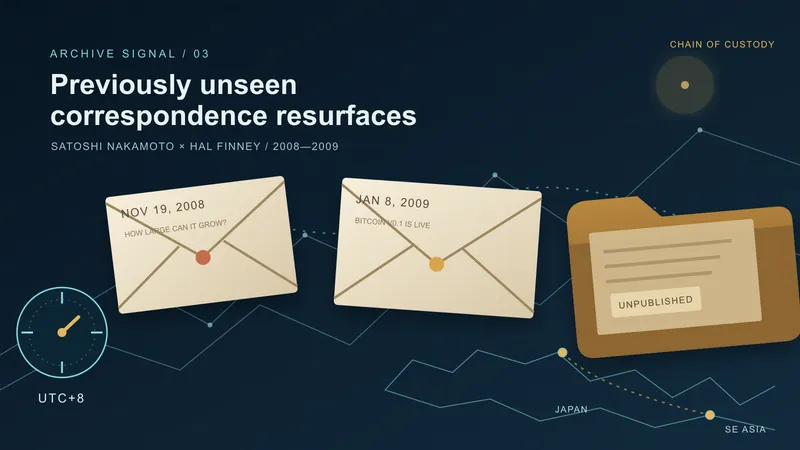
Both studies read the same kind of evidence — Satoshi’s own posting and commit timestamps — and reach zones that do not overlap. Neither analysis adjudicates the other. A third data point sits outside this disagreement rather than inside it: previously unpublished 2009 emails to Hal Finney carried a UTC+8 header, which Karaivanov himself traced to the AnonymousSpeech.com mail server rather than to Satoshi’s own location — a data point that resolves rather than adds to the GMT-versus-EST/CST puzzle.
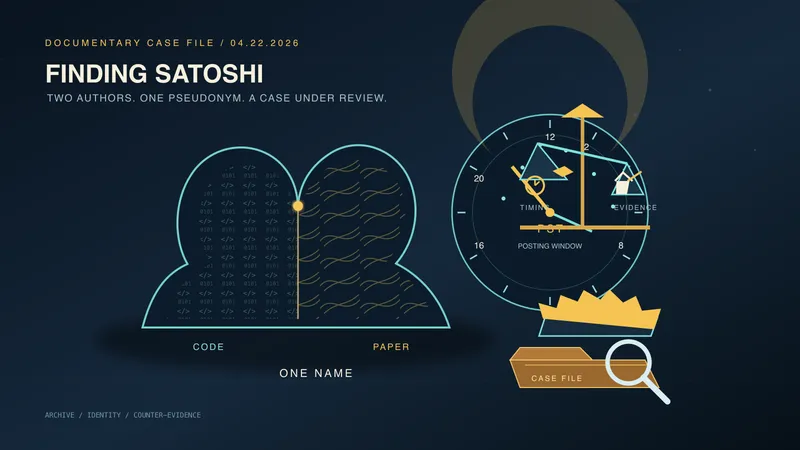
A third, differently-shaped study exists: Alyssa Blackburn’s activity-window analysis, cited in the Finding Satoshi documentary, reportedly found a 6am–10pm PST window — but that window was fitted to the combined activity of two candidates (Hal Finney and Len Sassaman together), not to Satoshi’s timestamps read on their own, and the self-statements inventory’s own general finding (hours falling outside a Japan timezone) is explicitly not adjudicated against it either. It is a different kind of measurement, not a third vote in the same count.
| Study | Data analyzed | Zone found | What it actually measures |
|---|---|---|---|
| Chain Bulletin (Karaivanov, 2020) | 742 BitcoinTalk posts, SourceForge commits, mailing-list emails | GMT | Satoshi’s own timestamps |
| This archive’s code analysis | 164 SVN commits, Oct 2009 – Dec 2010 | EST / CST | Satoshi’s own timestamps |
| Blackburn (Finding Satoshi, 2026) | Combined online activity of two candidates | PST | Finney + Sassaman’s joint activity, not Satoshi’s alone |
Only the first two rows measure the same thing Satoshi’s own record can answer, and they disagree. The third measures a different question entirely.
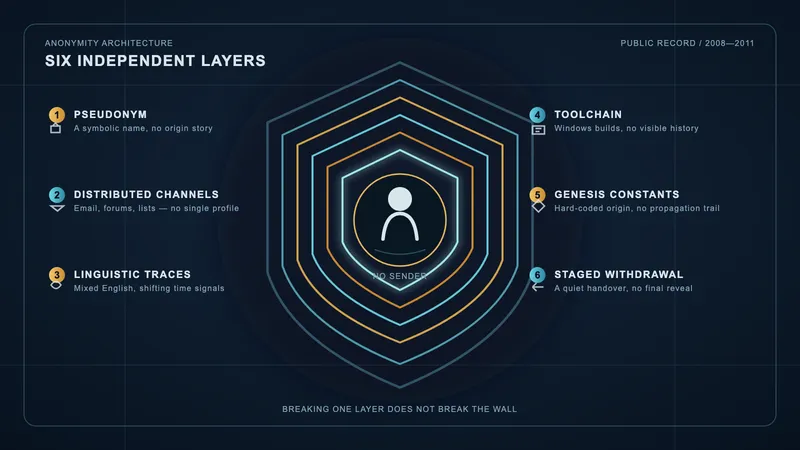
What the two directly comparable studies agree on is narrower than either headline: neither GMT nor EST/CST is a Japan-consistent zone. What they do not agree on is where, specifically, the record points instead. The same spelling mix and timestamp evidence surfaces more briefly in the anonymity-architecture entry’s linguistic layer. The same PDF metadata and timezone offsets are also listed in the surviving-material table of the identification-asymmetry entry.
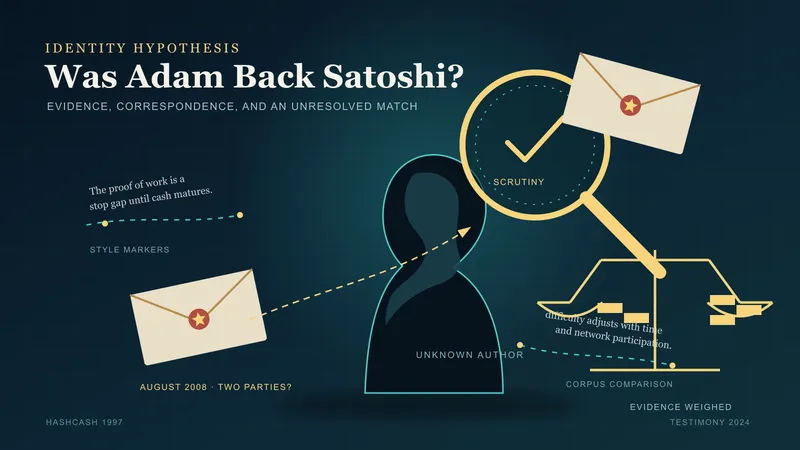
The GMT reading points toward one archive candidate directly: Adam Back’s own identity hypothesis cites the identical British-spelling pattern and a native British English background as evidence for his candidacy — the profile this section’s language and clock findings actually match, independent of whether the match holds up.
5. The one candidate who is actually Japanese
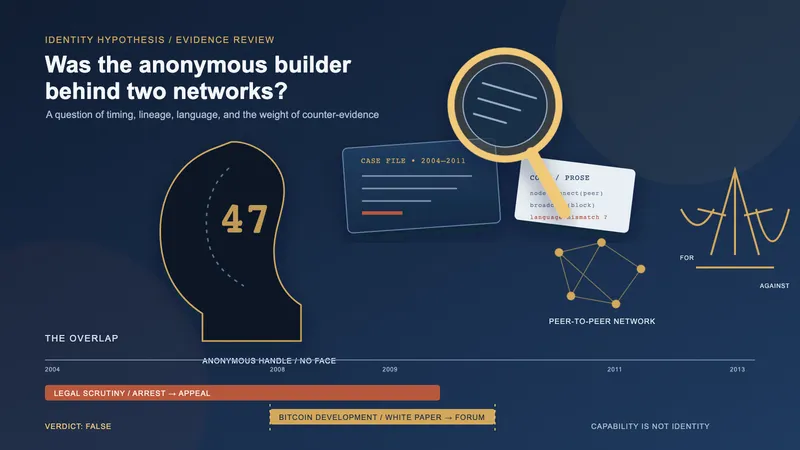
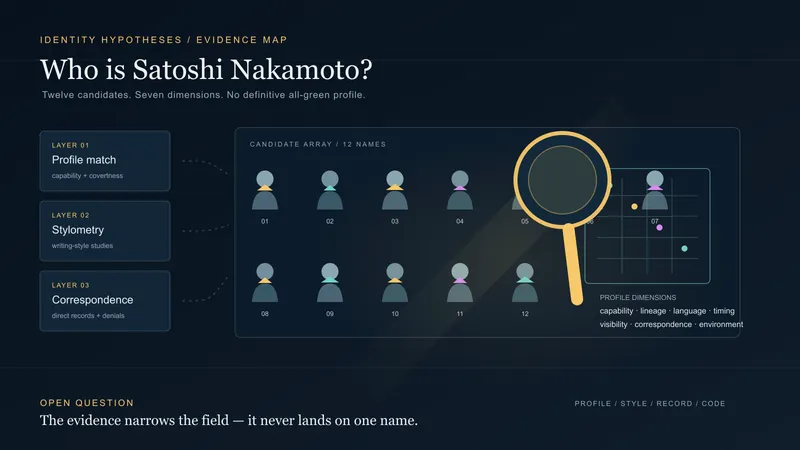
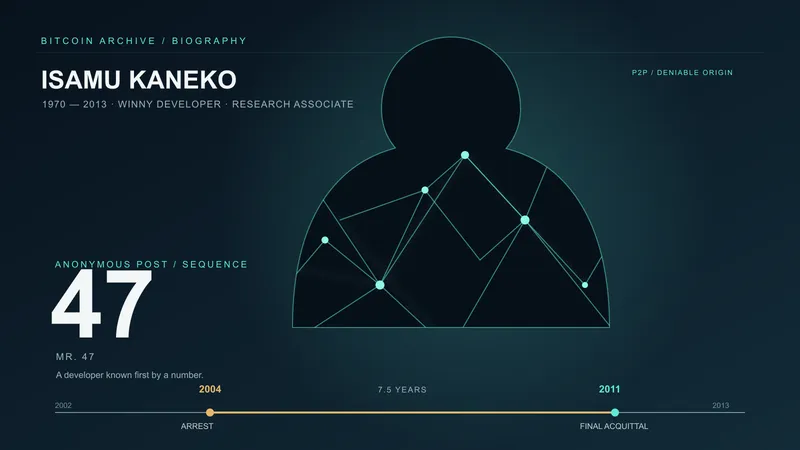
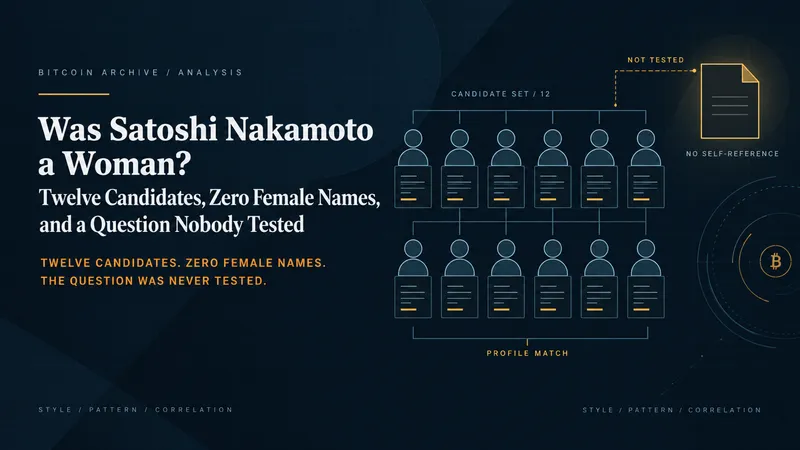
Twelve named candidates have a dedicated entry in the identity-hypotheses overview. Exactly one, Isamu Kaneko, is actually Japanese — a University of Tokyo researcher who built the peer-to-peer file-sharing system Winny under the handle “Mr. 47.” If the profile’s claim pointed anywhere, this is the one candidate it would have to survive.
It does not survive the language test. Kaneko’s Winny opening announcement is preserved verbatim: a self-deprecating “暇なんで” (“I’m a bit bored…”) opener, the 2channel-subculture term “2chネラー,” and recurring sentence-final particles (“わ,” “なー”) — a register with deep first-language Japanese markers, sustained across his other posts. Bitcoin’s v0.1 source code, by contrast, contains no Japanese in a single identifier, comment, or commit message anywhere in its history. A bilingual author could in principle write English-only code and still be a Japanese-L1 speaker; what the record actually shows is the reverse pairing from what the profile would predict — deep L1 Japanese across everything Kaneko wrote in his own voice, and zero trace of it anywhere Satoshi wrote in his.
The timing fits Kaneko’s candidacy poorly on its own terms, independent of the language question: he was a defendant in a criminal case on appeal for the entire span of Bitcoin’s development and busiest period — convicted at trial in 2006, acquitted by the Osaka High Court in October 2009, then facing the prosecution’s appeal until the Supreme Court upheld the acquittal in December 2011 — and re-engaged with public commercial software work after Satoshi’s silence rather than withdrawing into it. The full case against the hypothesis is in the Kaneko entry; his biography carries the Winny case timeline and the full text of the 2channel announcement this test reads.
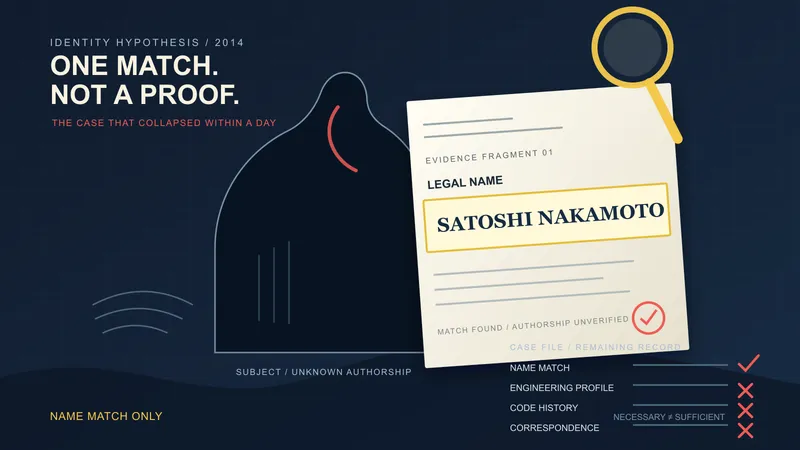
One other candidate’s name coincidentally matches the pseudonym itself: Dorian Nakamoto, a Japanese-American engineer whose birth name was, literally, Satoshi Nakamoto. His case is the cleanest illustration that a name match answers nothing about authorship on its own: no coding record at Bitcoin’s scale, no cypherpunk trace, no monetary-design history, and a firm, repeated, never-retracted denial. The name fit is exact; every other fit is absent.
6. What the three checks add up to
A one-line verdict here would read either “not Japanese” or “Japanese after all.” The record supports neither: the profile is uncorroborated by every independent line that could have corroborated it, and the lines that argue against it do not agree with each other about what the alternative is. English register argues against a Japanese-L1 writer, and the cent he counted in argues against someone who paid for things in yen. Two direct timestamp studies argue for two different non-Japan zones. The one actually-Japanese candidate fails on the language test that would have had to hold for him to fit. None of this proves a specific alternative nationality — the record does not converge on London, or on the US East Coast, or on anywhere else with the same confidence it fails to converge on Japan.
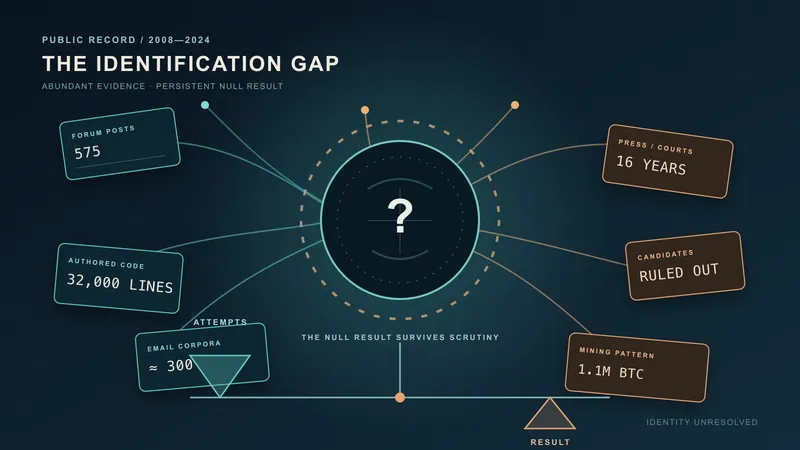
That gap between “not corroborated” and “disproven” is where the record actually stands: enough independent lines fail to confirm the one claim Satoshi ever made about himself that the claim carries no more weight than the sentence it was written in, and not enough agreement among the lines that fail it to replace that sentence with a different one.
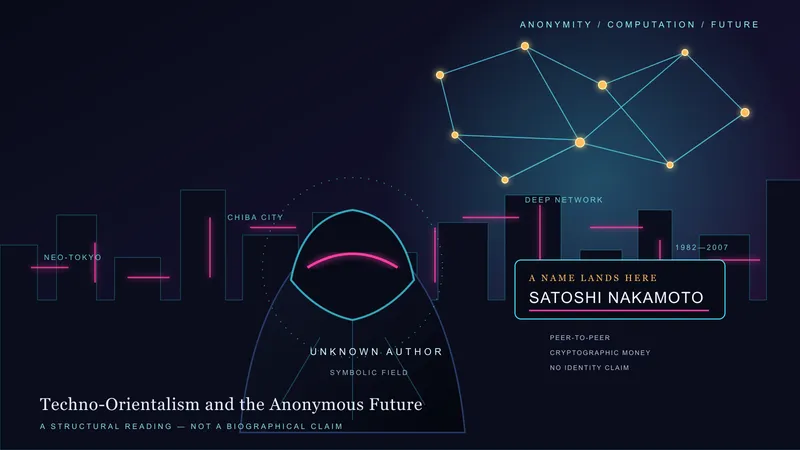
The pseudonym’s Japanese form — why “Satoshi Nakamoto” was chosen as a name at all, independent of who was typing — is a separate question, addressed in the techno-orientalist reading of the name.
A companion entry runs the identical test on a different unexamined assumption — gender rather than nationality — against the same self-statements catalogue and the same anonymity-architecture entry.
The profile said Japan once, in a field no one could check. Everything checkable since has come back either silent or pointing somewhere else — and the somewhere-elses do not point to the same somewhere.