
On November 23, 2020, Doncho Karaivanov published a detailed analysis on Chain Bulletin arguing that Satoshi Nakamoto was based in London while developing Bitcoin. The article combines multiple lines of evidence.
The Times headline evidence
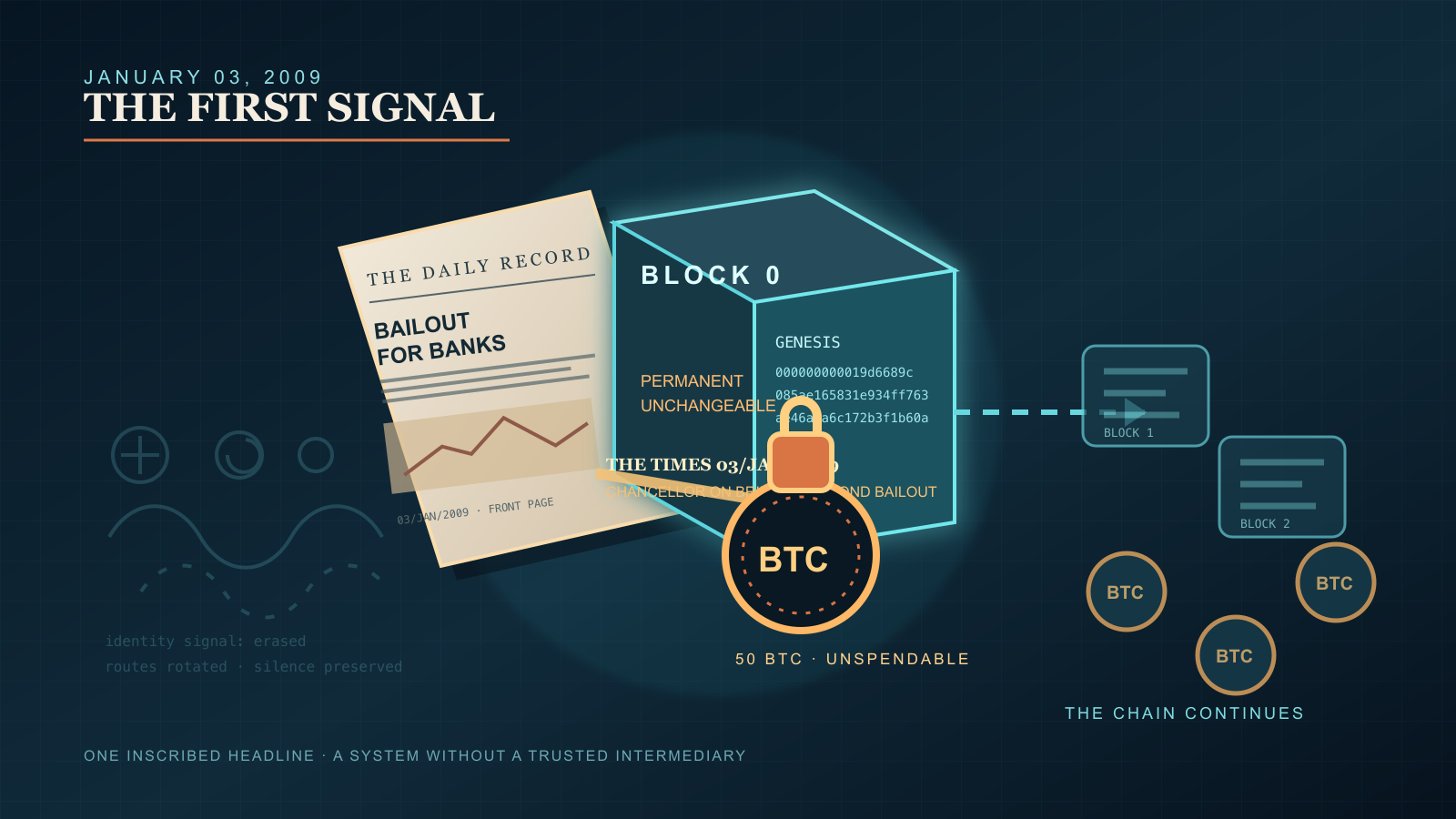
The Genesis Block contains the message: “The Times 03/Jan/2009 Chancellor on brink of second bailout for banks.” Karaivanov demonstrates that this exact headline appeared only in the UK print edition of The Times of London — not in US distributions, which carried substantially different content and layout. In 2008, 770,000 of The Times’ 1.8 million print readers (43%) were London-based, making the capital statistically the most likely access point for the physical newspaper.
Timestamp analysis
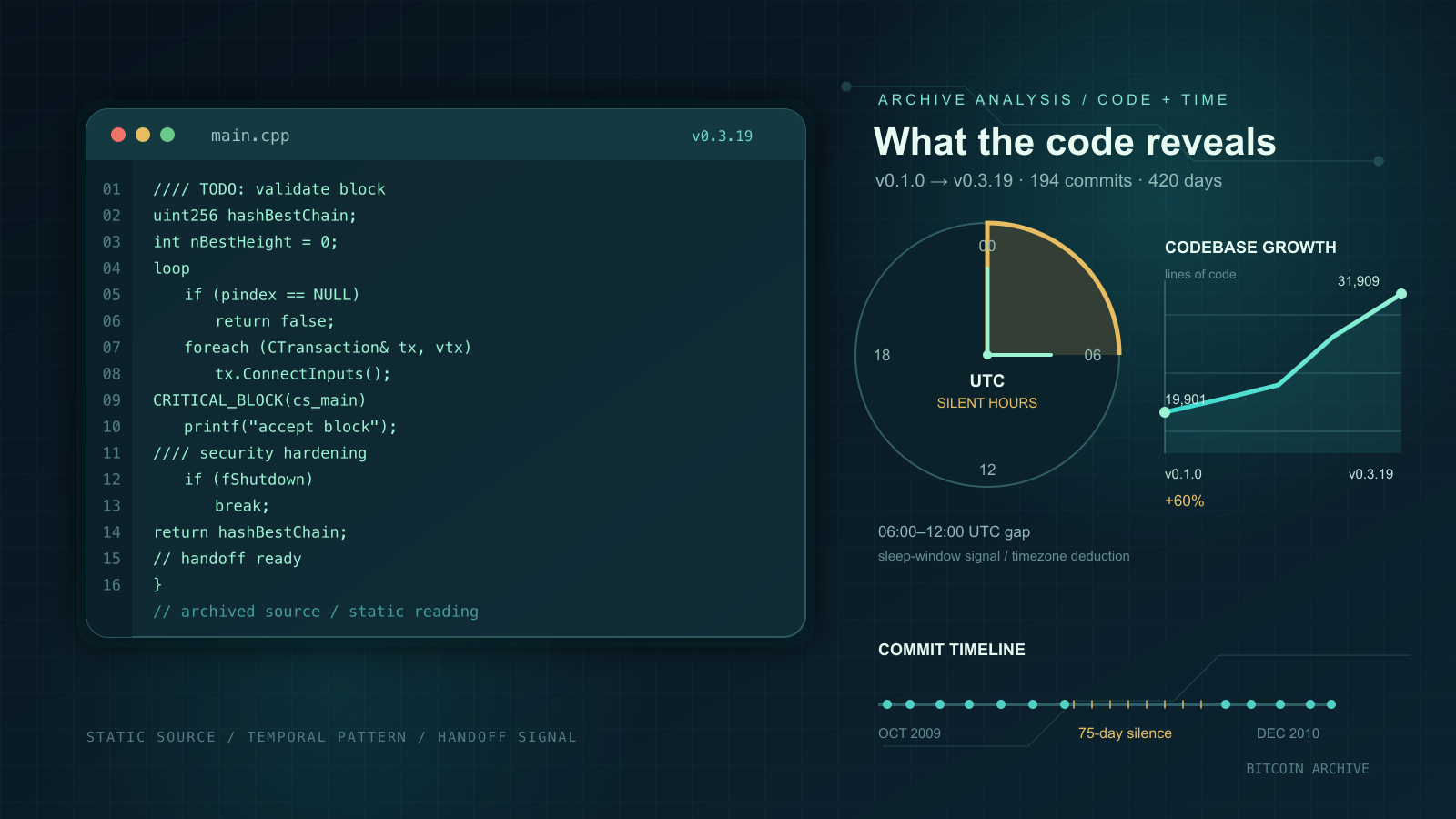
The study analyzed 742 activity instances:
- 539 BitcoinTalk posts (November 2009 – December 2010)
- 169 SourceForge commits (October 2009 – December 2010)
- 34 mailing list emails (October 2008 – December 2010)
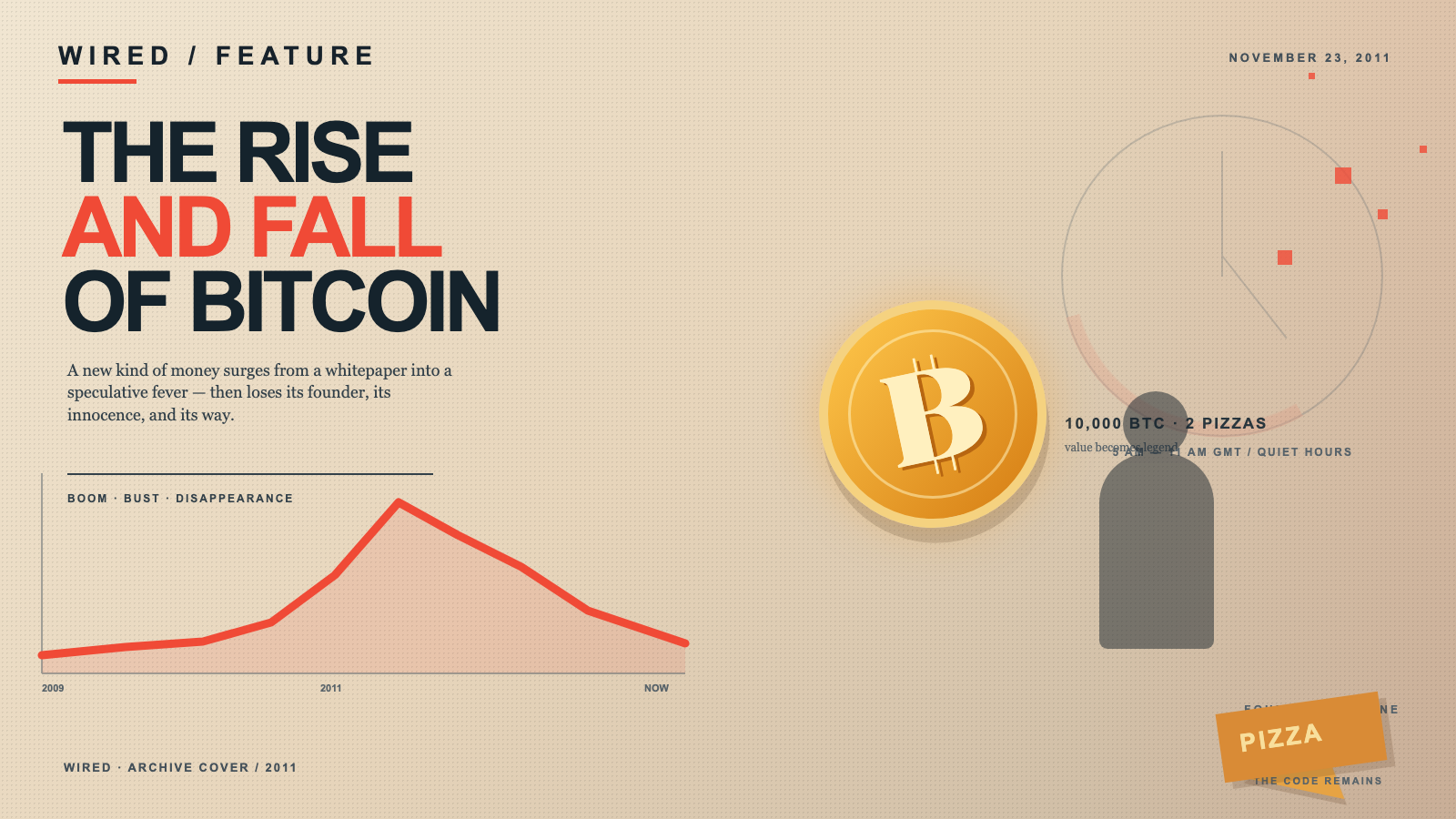
All timestamps were converted from UTC to three candidate time zones: GMT (London), US Eastern, and US Pacific. The combined analysis revealed patterns consistent with a GMT-based schedule, though the night-owl behavior observed made timezone attribution somewhat ambiguous when viewed in isolation. A similar GMT-referenced gap in Satoshi’s posting timestamps had already been reported nearly a decade earlier — see Wired’s 2011 feature on Bitcoin’s rise and fall for Stefan Thomas’s original graph showing a lull in forum activity between 5 am and 11 am Greenwich Mean Time.
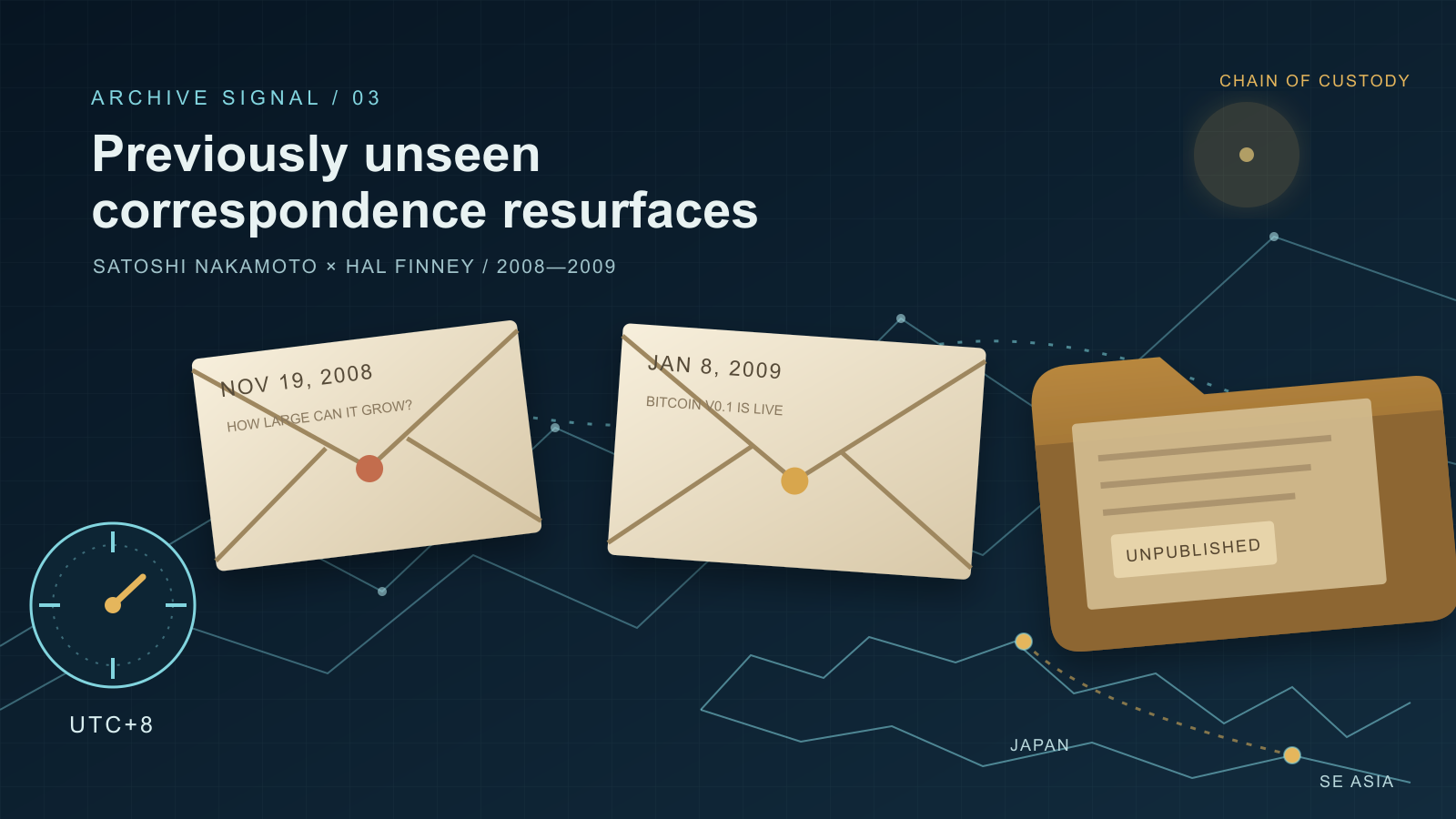
Karaivanov later applied the same timezone-forensics approach to a separate puzzle — see the CoinDesk report on previously unpublished Satoshi-Finney emails, where he attributed a UTC+8 header found on one of Satoshi’s emails to the sending mail server rather than to Satoshi’s own location.
Linguistic markers
The article identifies British English conventions in Satoshi’s writing:
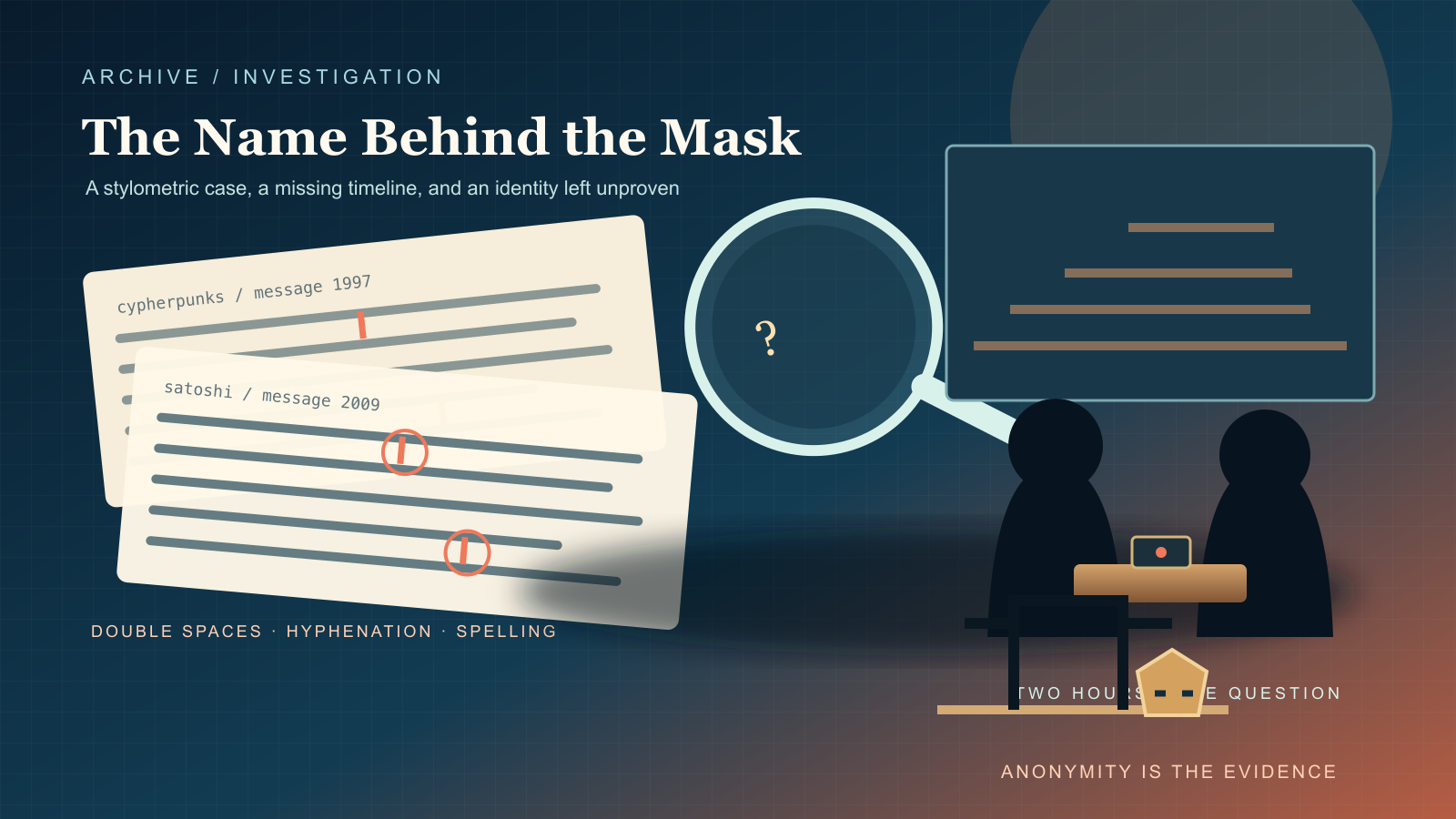
- British spellings: “organise,” “colour,” “neighbour”
- British colloquialisms: use of “bloody”
- These patterns suggest British authorship or extended residency in the UK
The same “bloody” usage is also read as linguistic evidence for a different candidate in Evan Hatch’s Sassaman = Satoshi hypothesis, which cites the identical British colloquialism as evidence for Len Sassaman’s residence in Belgium during Bitcoin’s development. The British-spelling evidence recurs six years later: the New York Times’ 2026 investigation naming Adam Back lists the identical spelling pattern — “organise,” “colour,” “neighbour” — among its stylometric markers, for a candidate the press itself called “the British cryptographer.”
Conclusion
While no single piece of evidence is conclusive, the convergence of The Times physical newspaper access, GMT-consistent activity patterns, and British linguistic markers builds a circumstantial case for London as Satoshi’s base of operations during Bitcoin’s development.
This GMT reading is not the only timestamp-based reading in the archive: this archive’s own code analysis finds commit-time gaps more consistent with EST or CST — a disagreement between two direct studies of Satoshi’s own timestamps that the nationality question analysis reads together rather than in isolation.
This Chain Bulletin London hypothesis is read in parallel with the genesis-block hardcode analysis, which uses The Times headline as evidence of authorial intent and explicitly references this Chain Bulletin reading as the same surviving signal read for geographic attribution rather than for intent.