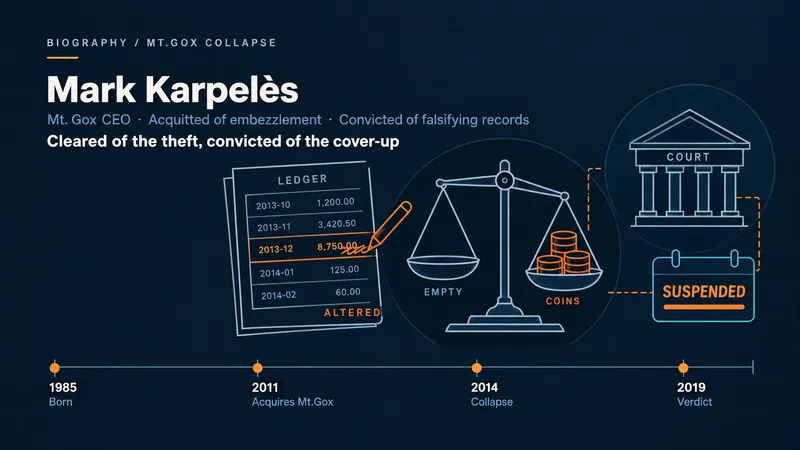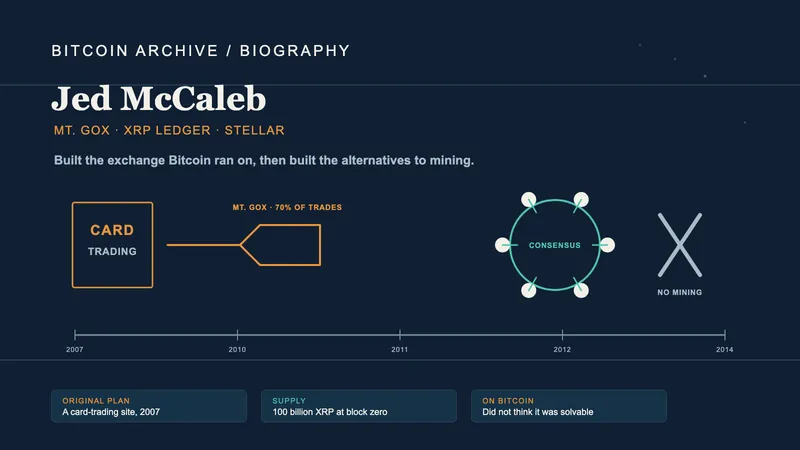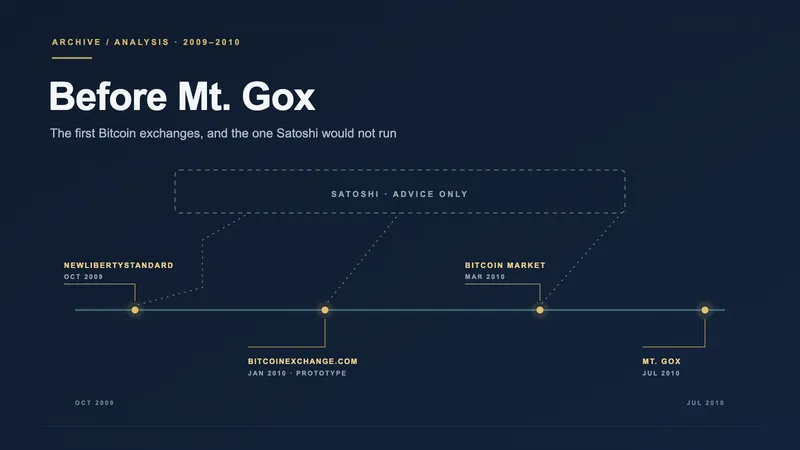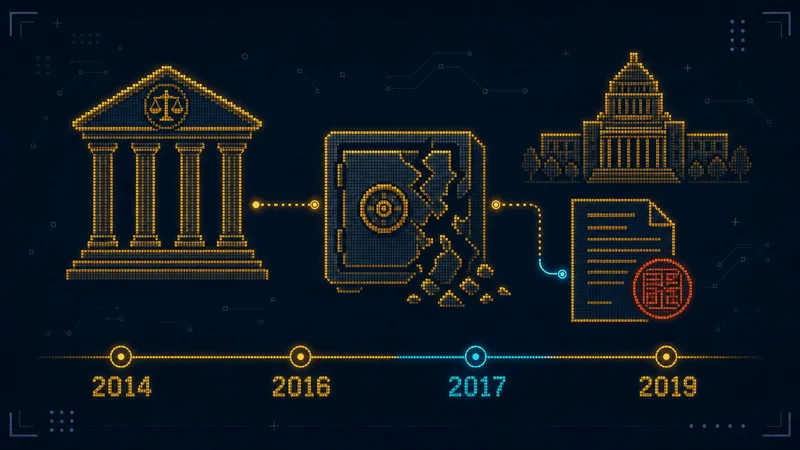

On February 28, 2014, Mt. Gox — once the world’s largest Bitcoin exchange, handling approximately 70% of all Bitcoin transactions at its peak — filed for bankruptcy protection in Tokyo District Court, petitioning for civil rehabilitation. The court dismissed the petition on April 16 and opened bankruptcy proceedings on April 24.
At the press conference, Karpeles revealed that approximately 850,000 BTC had been lost — 750,000 BTC belonging to customers and 100,000 BTC belonging to the company — worth approximately $450 million at the time. On March 20, 2014, Mt. Gox reported finding 199,999.99 BTC in an old wallet, reducing the total loss to approximately 650,000 BTC.
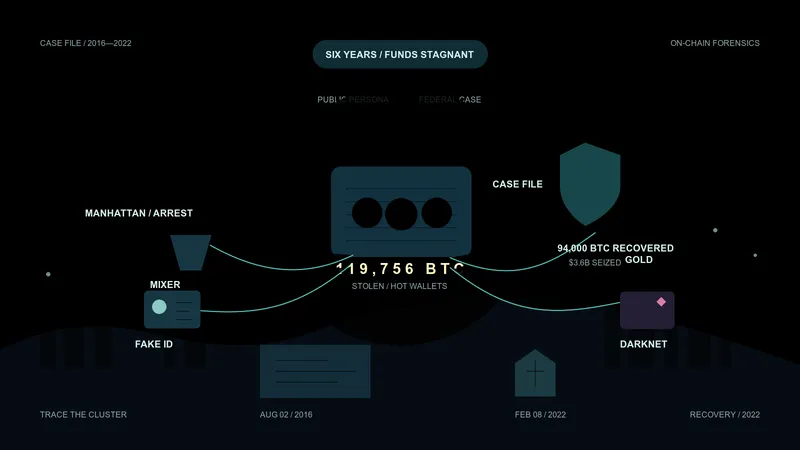
Mt. Gox blamed transaction malleability when it halted withdrawals, but a study of the network over the preceding year found no widespread use of malleability attacks before the closure. In April 2015 the Tokyo security firm WizSec concluded that most or all of the missing bitcoins had been stolen straight out of Mt. Gox’s hot wallet over time, beginning in late 2011.
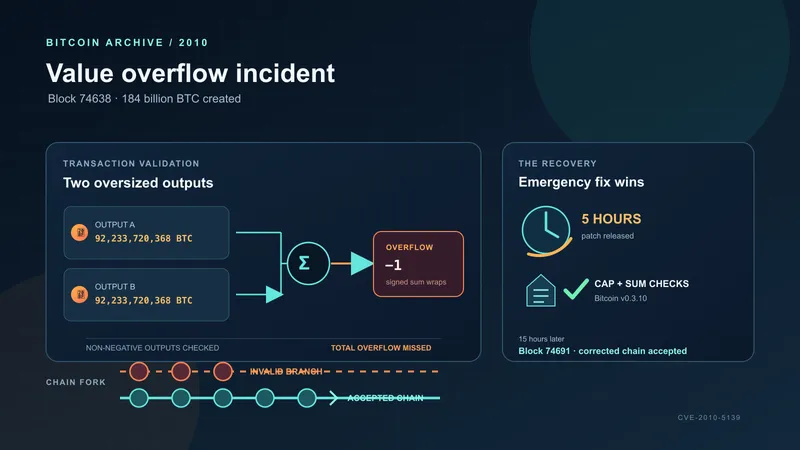
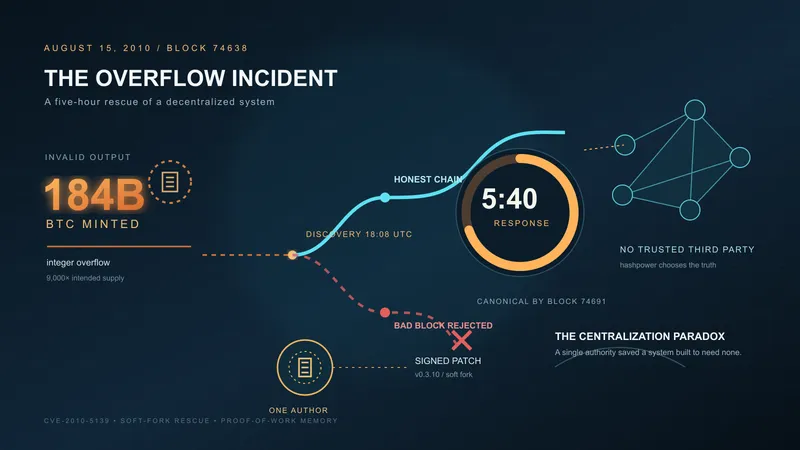
In scale, the crisis dwarfed the 2010 value overflow incident.
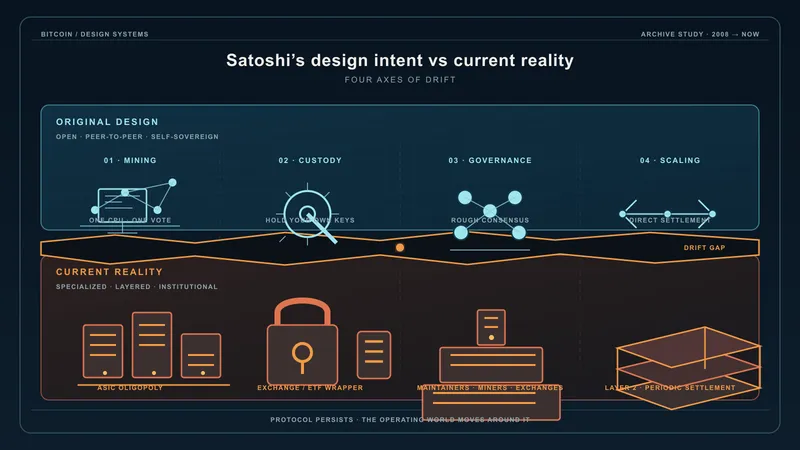
Media declared Bitcoin dead: “Bitcoin is finished.” “It was a scam all along.” Bitcoin’s price crashed. But the protocol itself was unaffected — Mt. Gox was a centralized exchange, not a flaw in Bitcoin’s decentralized network. It is one of the specific episodes named, more than a decade later, in a survey of what five different AI models cite as evidence for Bitcoin’s seventeen-year survival record.
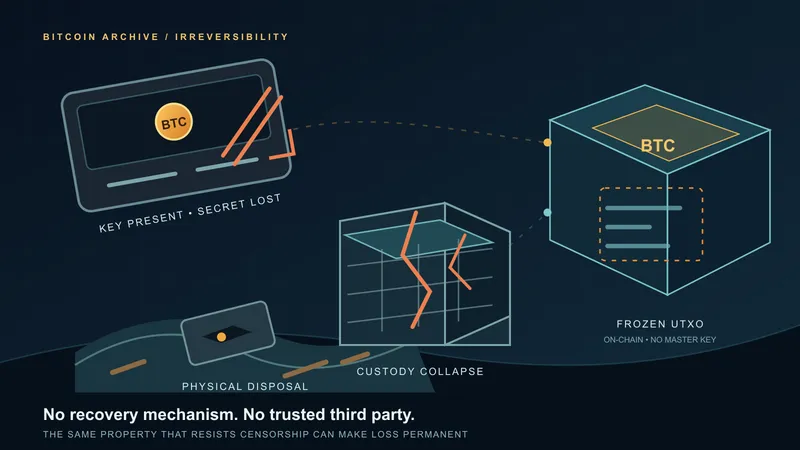
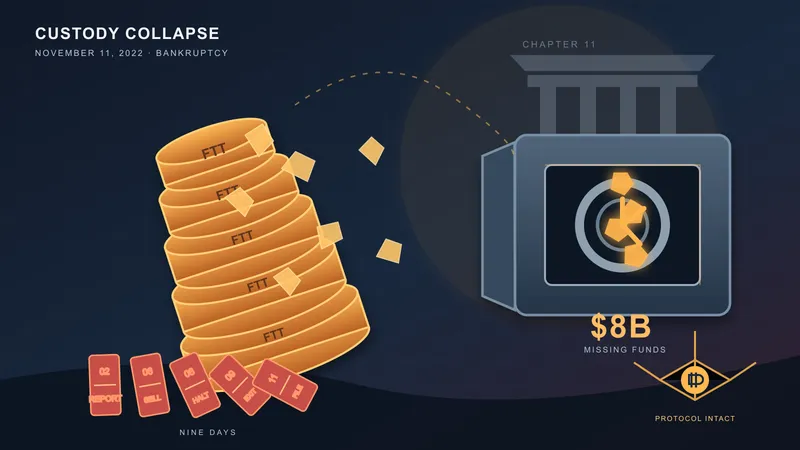
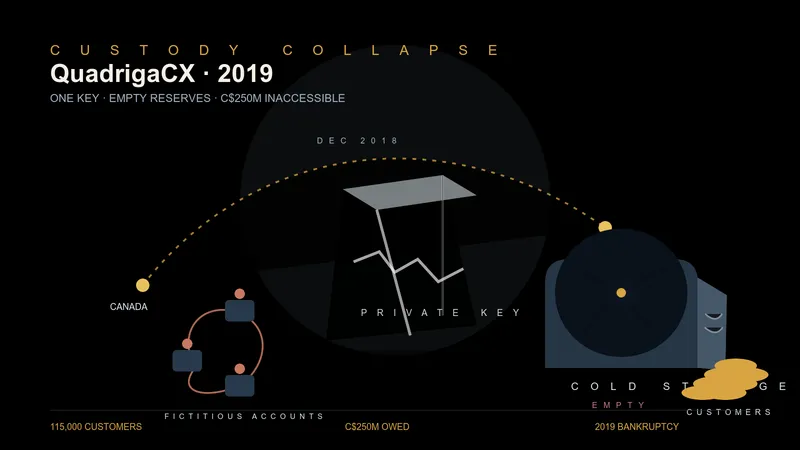
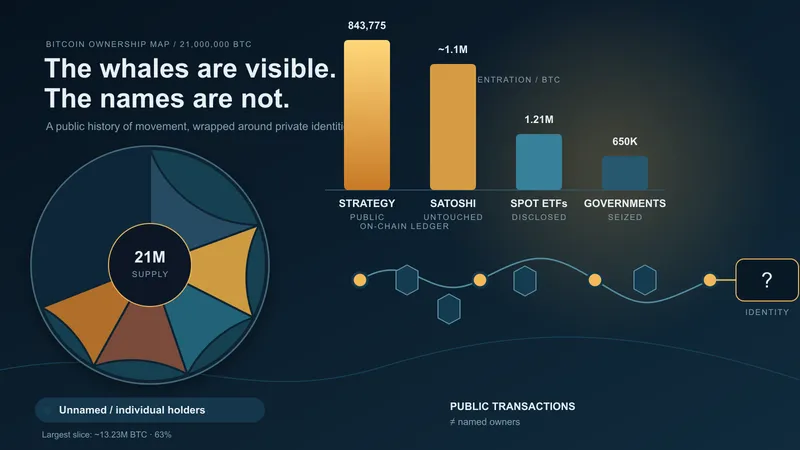
Mt. Gox began repaying creditors in Bitcoin in July 2024, over a decade after the collapse. The roughly 142,000 BTC held by its rehabilitation trustee, mapped in the court-supervised proceedings that preceded those repayments, also make Mt. Gox one of the few named holders the map of Bitcoin ownership can attach to on-chain evidence rather than inference. It is also the cautionary example that map gives for how easily that same evidence gets mis-clustered. As the largest custody-collapse event in Bitcoin’s recorded loss history, Mt. Gox is the anchor case in the lost-Bitcoin canon overview, which reads Mt. Gox alongside Stefan Thomas (forgotten-password mode), James Howells (physical-loss mode), QuadrigaCX (custody-collapse via sole-custodian death), and FTX (custody-collapse via misappropriation).