
On August 2, 2016, 119,756 bitcoins, the figure in most reporting (the Justice Department’s count is 119,754), were drained from hot wallets at the Hong Kong–based exchange Bitfinex in more than 2,000 unauthorized transactions. The haul was worth roughly $72 million at the time of the theft; by the time of the arrests it had appreciated to around $4.5 billion. For nearly six years the funds sat in a single cluster of addresses tied to the breach, with only small portions tumbled through mixers and cashed out. The bulk of the stolen coins did not move.
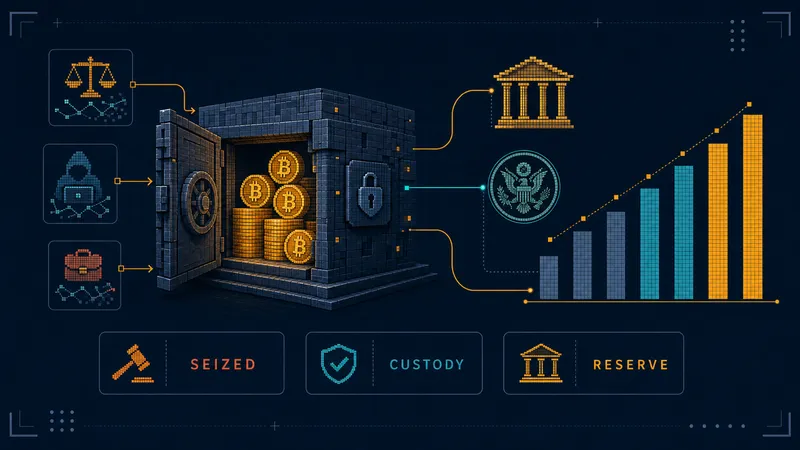
The arrests (February 8, 2022). The U.S. Department of Justice arrested Ilya Lichtenstein, 34, and his wife Heather R. Morgan, 31, in Manhattan. Federal agents announced the recovery of roughly 94,000 BTC — about $3.6 billion at the time, the largest financial seizure in US history when made. The case was filed in the District of Columbia; the indictment charged the couple with conspiracy to launder stolen cryptocurrency and conspiracy to defraud the United States. They were not initially charged with the hack itself.
Razzlekhan and the public persona. Morgan was, before the arrest, known to a small online audience as Razzlekhan, an avant-garde rapper with self-released music videos shot in lower Manhattan and a column for Forbes magazine on entrepreneurship and persuasion. The Razzlekhan footage went viral after the arrest, with much of the coverage struggling to reconcile the persona with the alleged $4.5 billion conspiracy.
Six years of slow laundering. Court filings described an evolving laundering pattern across years: chain-hops through privacy-focused services, small withdrawals at exchanges using fictitious identities, gold-coin purchases, and routing through darknet markets. The volumes were modest relative to the total stolen — most of the coins remained in the cluster of addresses traceable back to the August 2016 breach. The slow drip, rather than a panicked sell-off, was central to how the funds remained recoverable.
Guilty pleas and sentencing. In August 2023, Lichtenstein pleaded guilty to money laundering conspiracy and admitted he had committed the original 2016 Bitfinex theft. Morgan also pleaded guilty to money laundering and conspiracy to defraud. Sentencing followed in November 2024: Lichtenstein received 5 years (60 months) in federal prison plus 3 years of supervised release; Morgan received 18 months plus 3 years of supervised release.
In January 2026 Lichtenstein announced that he had been released early, crediting the First Step Act; an administration official described him as on home confinement.
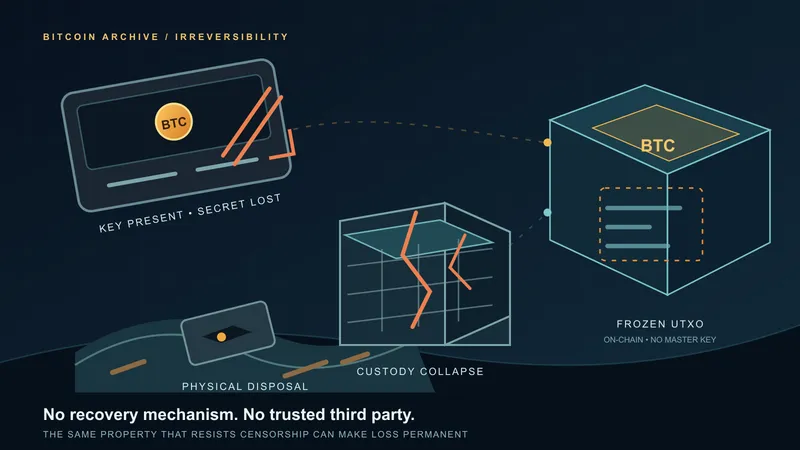
Significance. At the time of the 2022 arrests, the Bitfinex case was the largest cryptocurrency-related law-enforcement recovery on record — a mark the DOJ’s roughly $15 billion Prince Group bitcoin seizure surpassed in October 2025. It demonstrated that on-chain forensics combined with traditional financial-investigation techniques (subpoenas to exchanges, surveillance of dark-market accounts, search warrants on cloud storage holding the master key list) could undo a multi-year laundering effort that had once been treated as unrecoverable. The 2016 Bitfinex hack functions as the canonical “recovery-against-the-irreversibility-default” counterpoint in the lost-Bitcoin canon overview, which reads it alongside Mt. Gox, QuadrigaCX, FTX, and the forgotten-password and physical-loss cases (Stefan Thomas, James Howells).