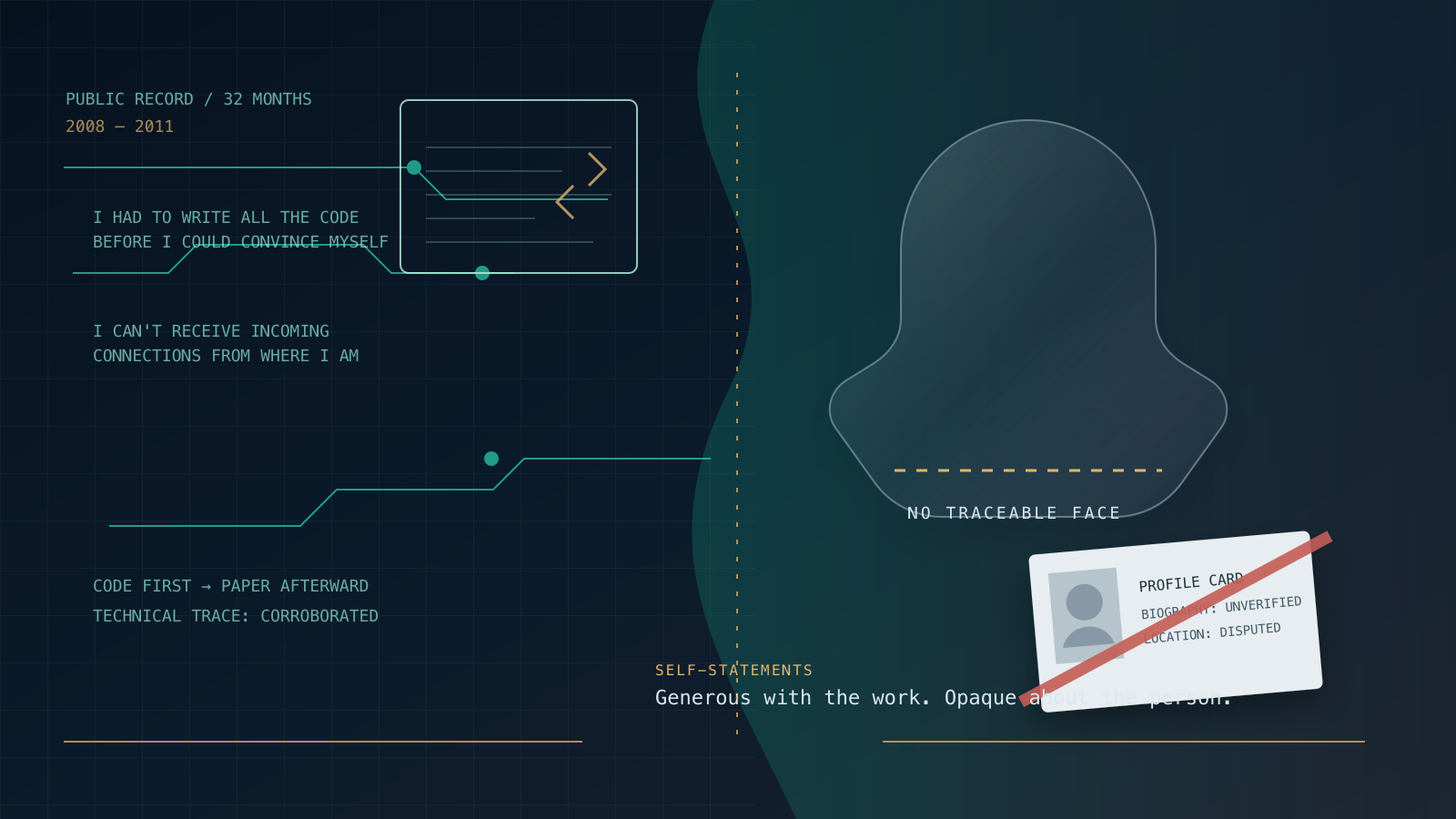
On November 9, 2008, nine days after publishing the Bitcoin whitepaper, Satoshi wrote to Hal Finney:
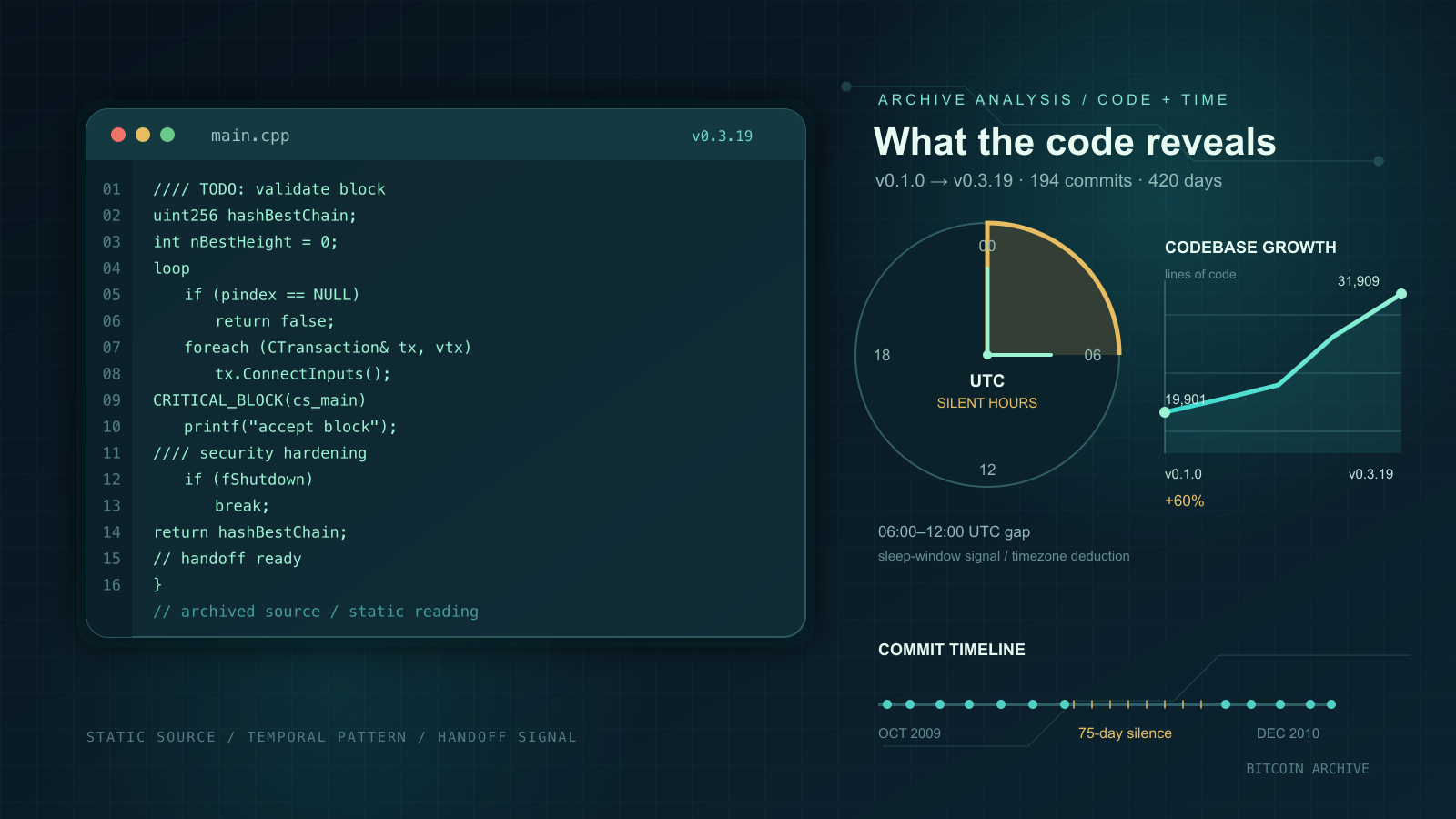
“I appreciate your questions. I actually did this kind of backwards. I had to write all the code before I could convince myself that I could solve every problem, then I wrote the paper. I think I will be able to release the code sooner than I could write a detailed spec.”
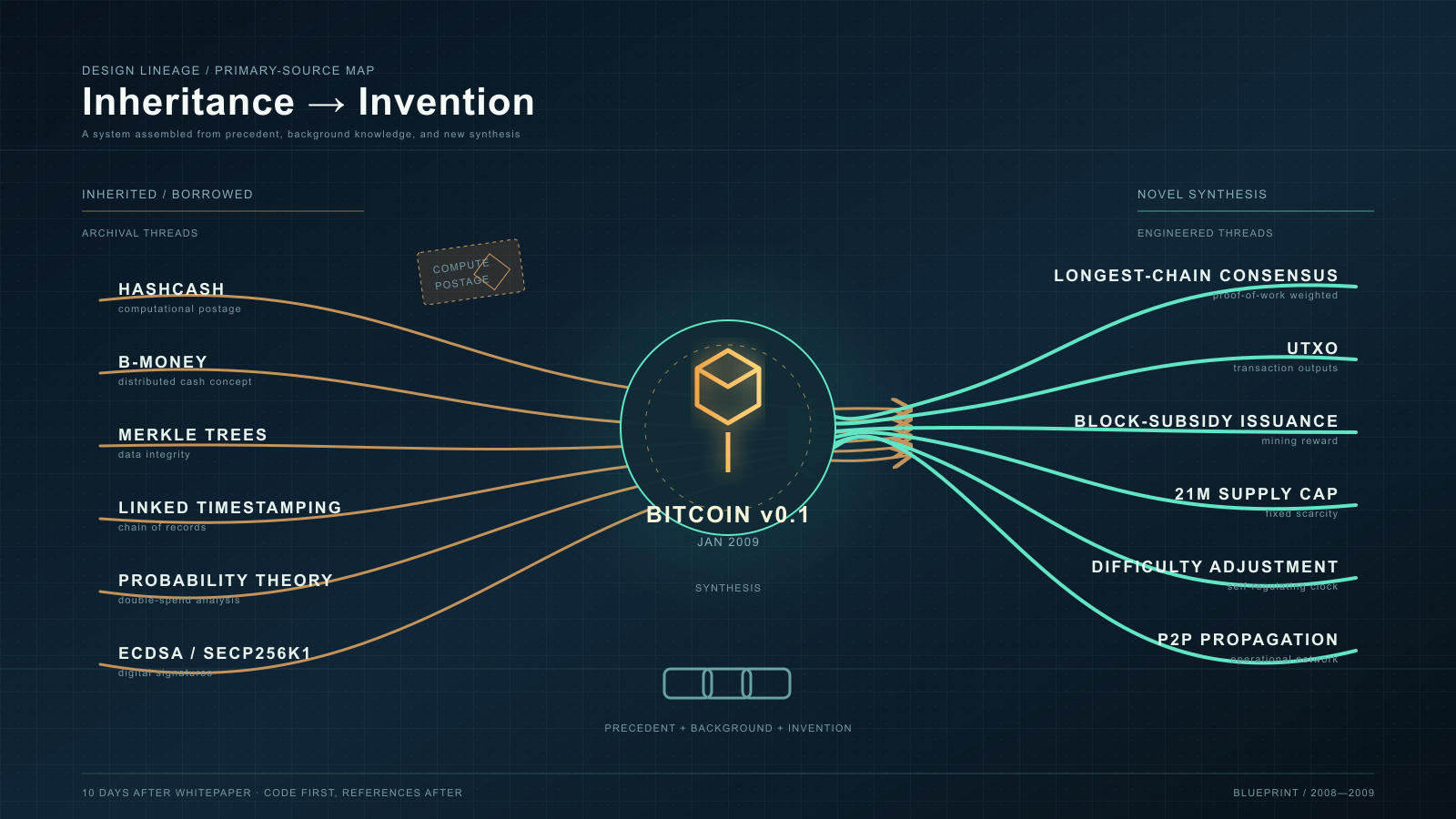
The whitepaper came after the working code. Its eight references were assembled to anchor a finished implementation in existing literature — but they do not all play the same role. Bitcoin v0.1 reuses one cryptographic primitive (proof-of-work) from a cited cypherpunk-era scheme (Hashcash), borrows several general-purpose computer-science components (Merkle trees, linked timestamping, probability theory, ECDSA signatures) without inheriting them from any single cited reference, and synthesizes the rest (decentralized consensus, the UTXO model, mining-reward issuance, the 21-million monetary cap, P2P propagation, difficulty adjustment) as new design. This entry walks through what Bitcoin actually contains and where each component came from, separating documented contemporaneous use from post-hoc citation from general-knowledge reuse from novel synthesis.
1. Citation categories
“Design period” in the conventional sense — a discrete pre-implementation phase — is not the right frame for what Satoshi did. He was building Bitcoin in code while doing the conceptual work, as the November 9, 2008 quote at the top of this entry makes explicit. We use “development period” below to mean the full span in which Satoshi was building Bitcoin (writing code, working through design problems, ultimately writing the paper that documents the result). This same utterance is catalogued as entry D5 in the fuller inventory of Satoshi’s self-statements, alongside the D6-D11 chronology of “eighteen months” and “two years” coding-span statements that corroborate the same code-before-paper reading.
With that frame, the whitepaper’s eight references fall into three categories with respect to Satoshi’s documented process. A fourth category — novel components — is not represented in the references list because there is nothing to cite.
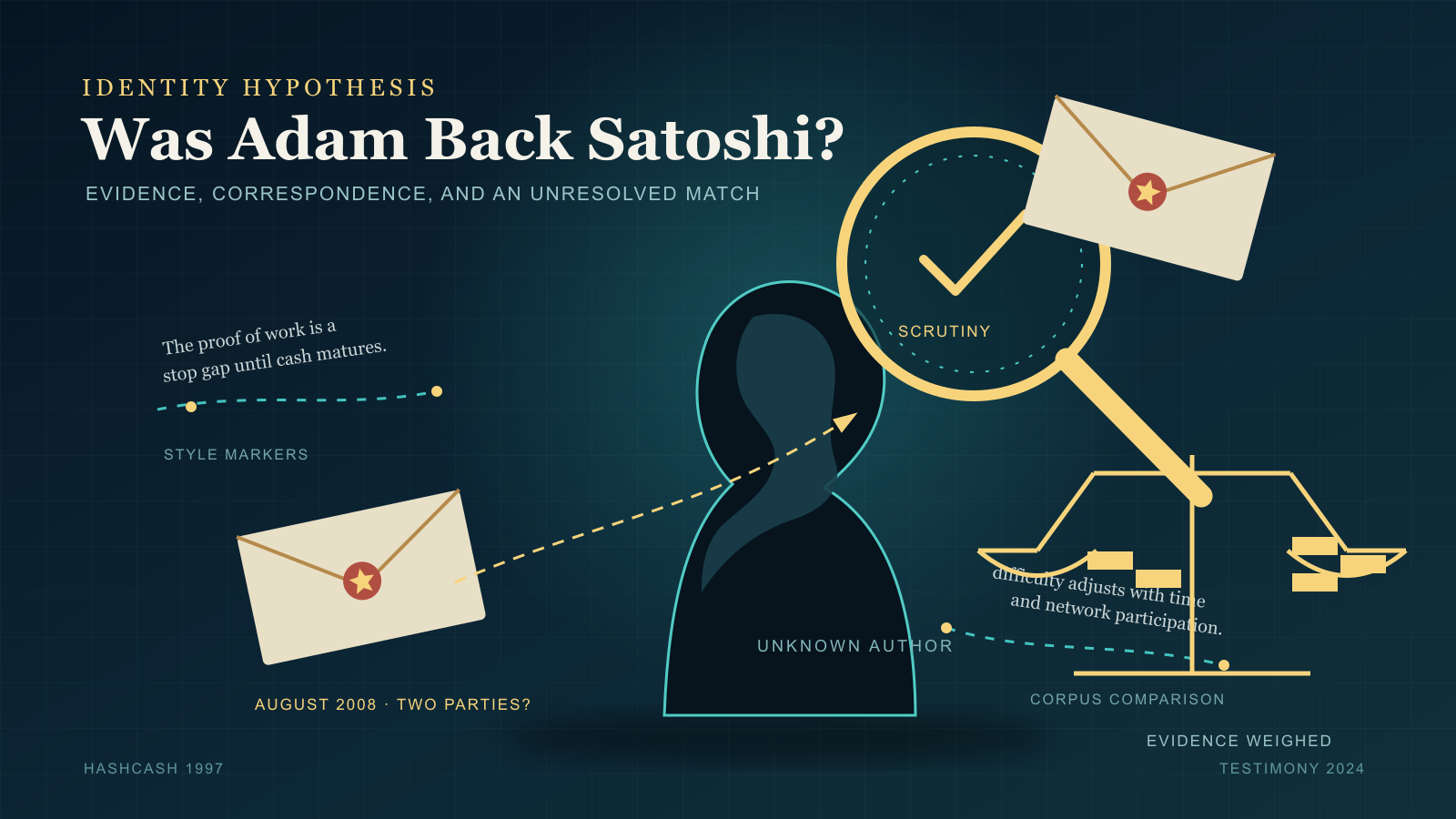
- Used during development (primary-source-confirmed). Satoshi was demonstrably aware of the reference and using its concepts while building Bitcoin. The August 20–22, 2008 email exchange between Satoshi and Adam Back establishes Hashcash in this category.
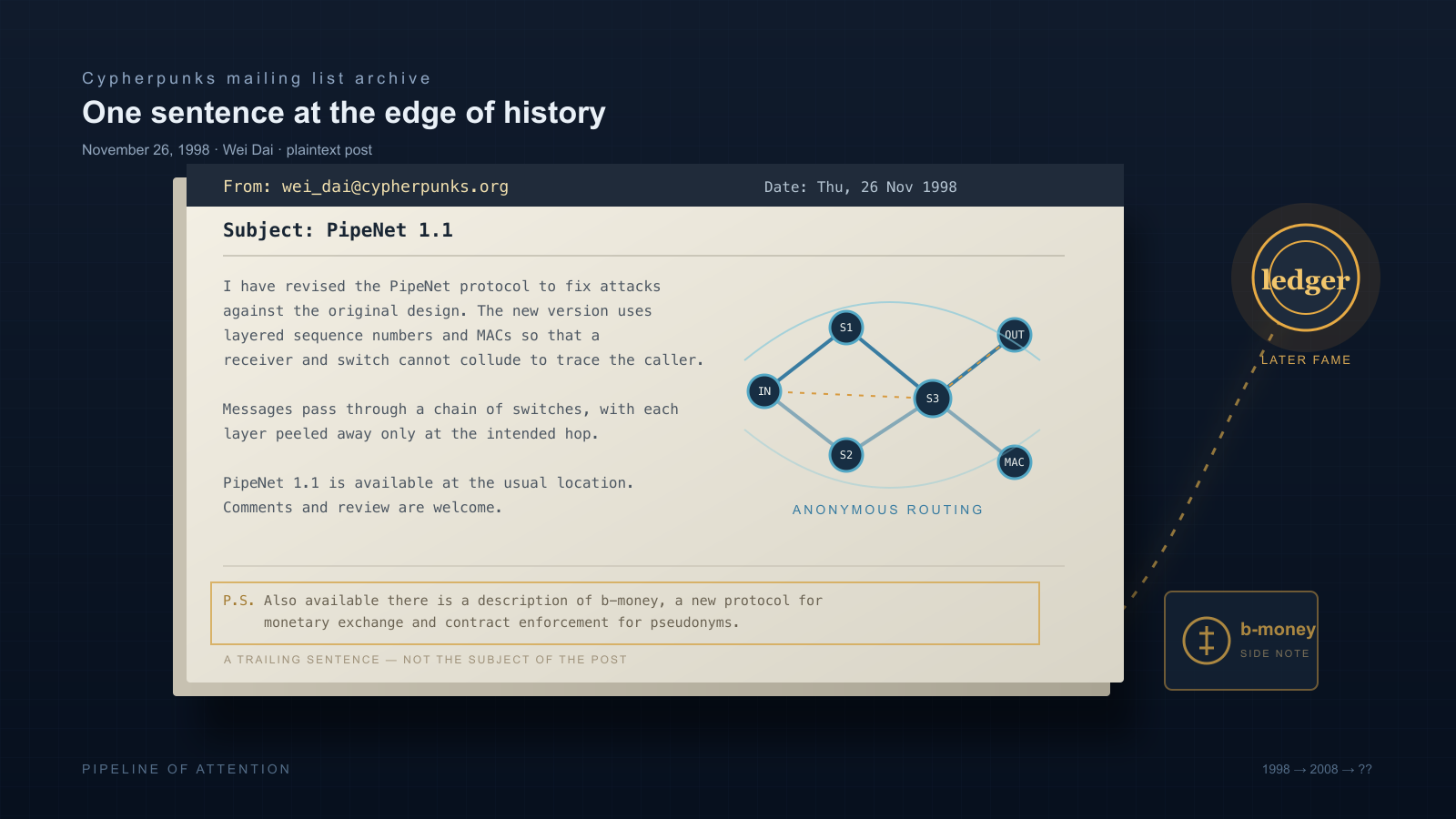
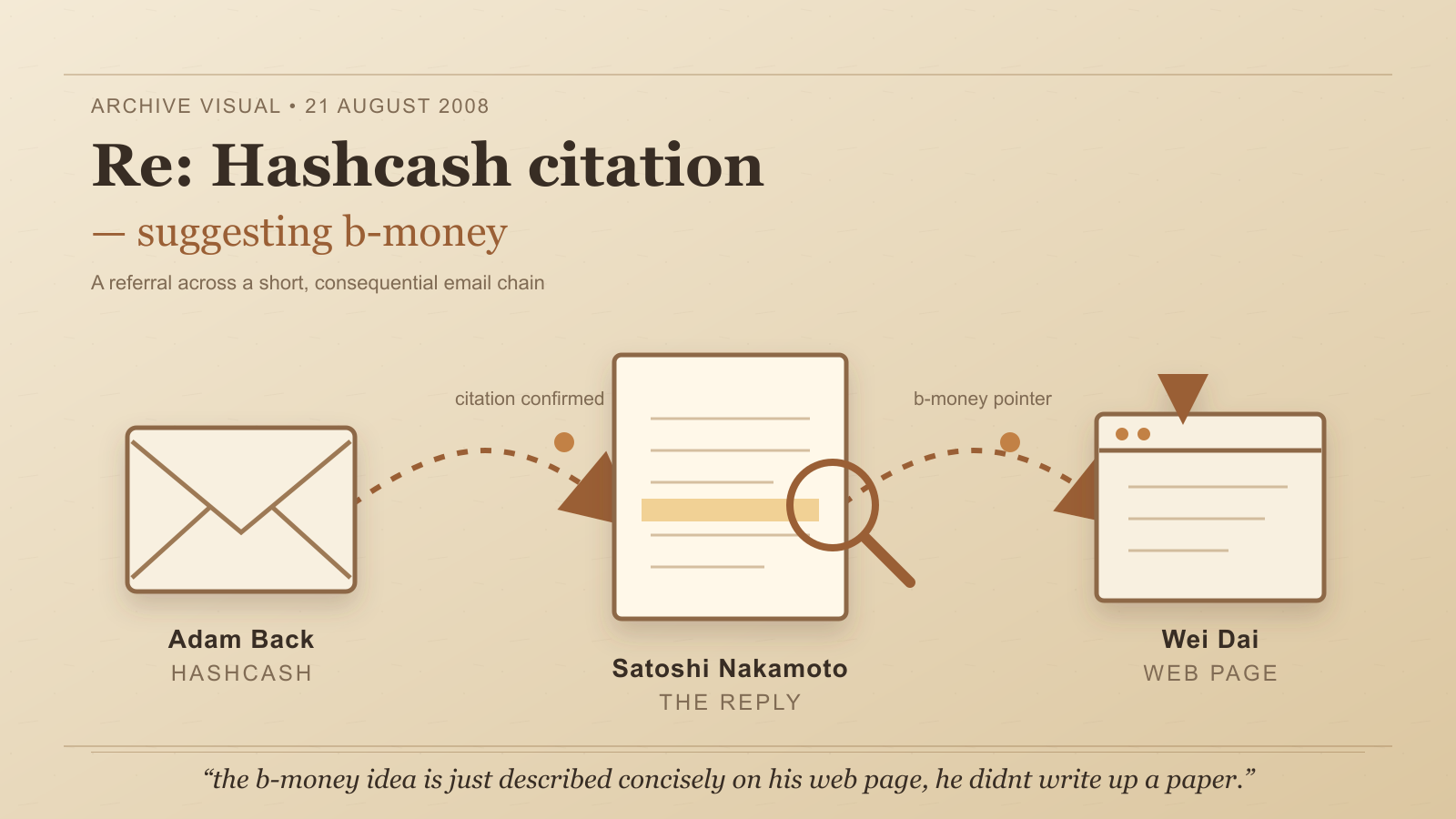
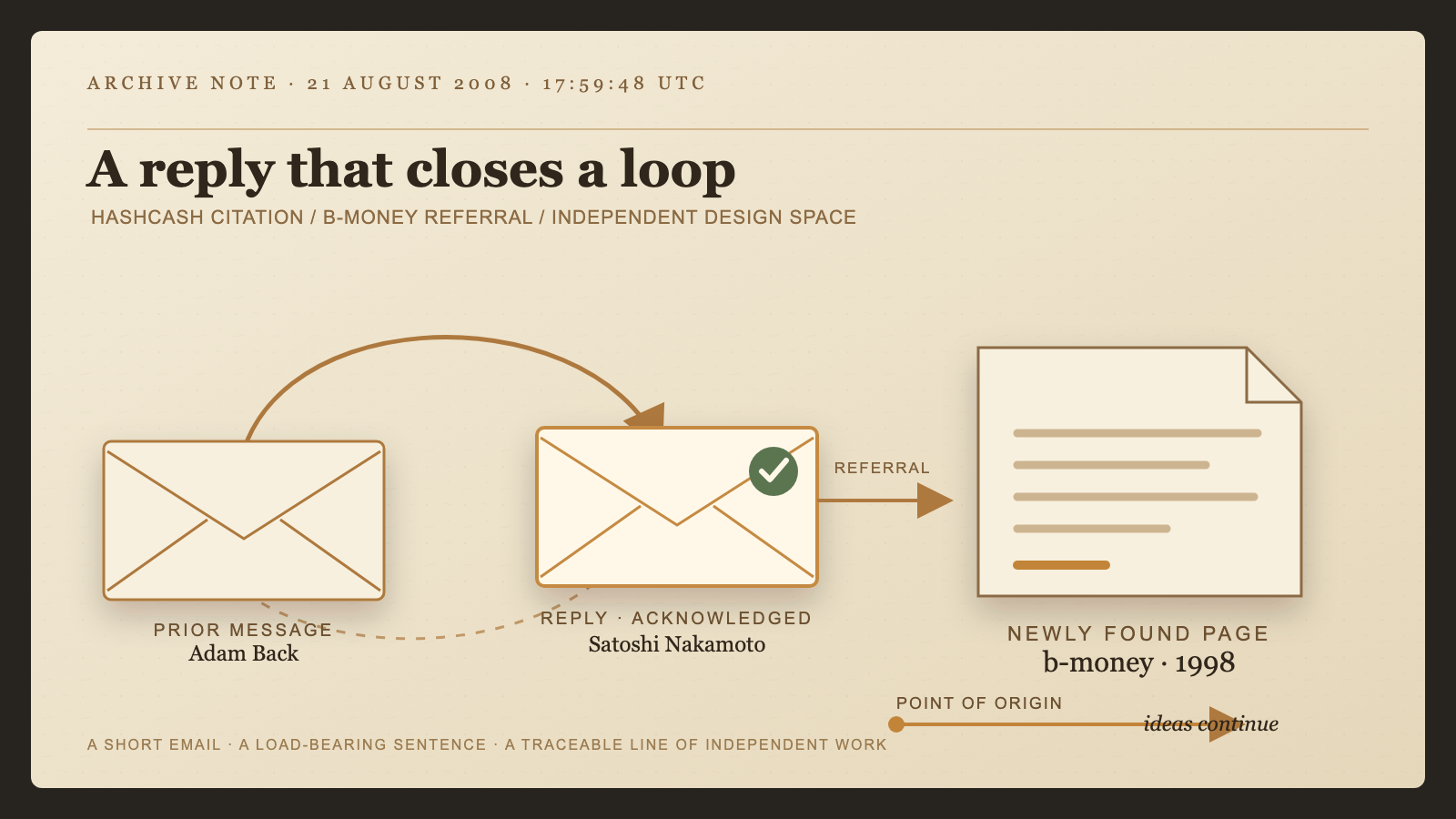
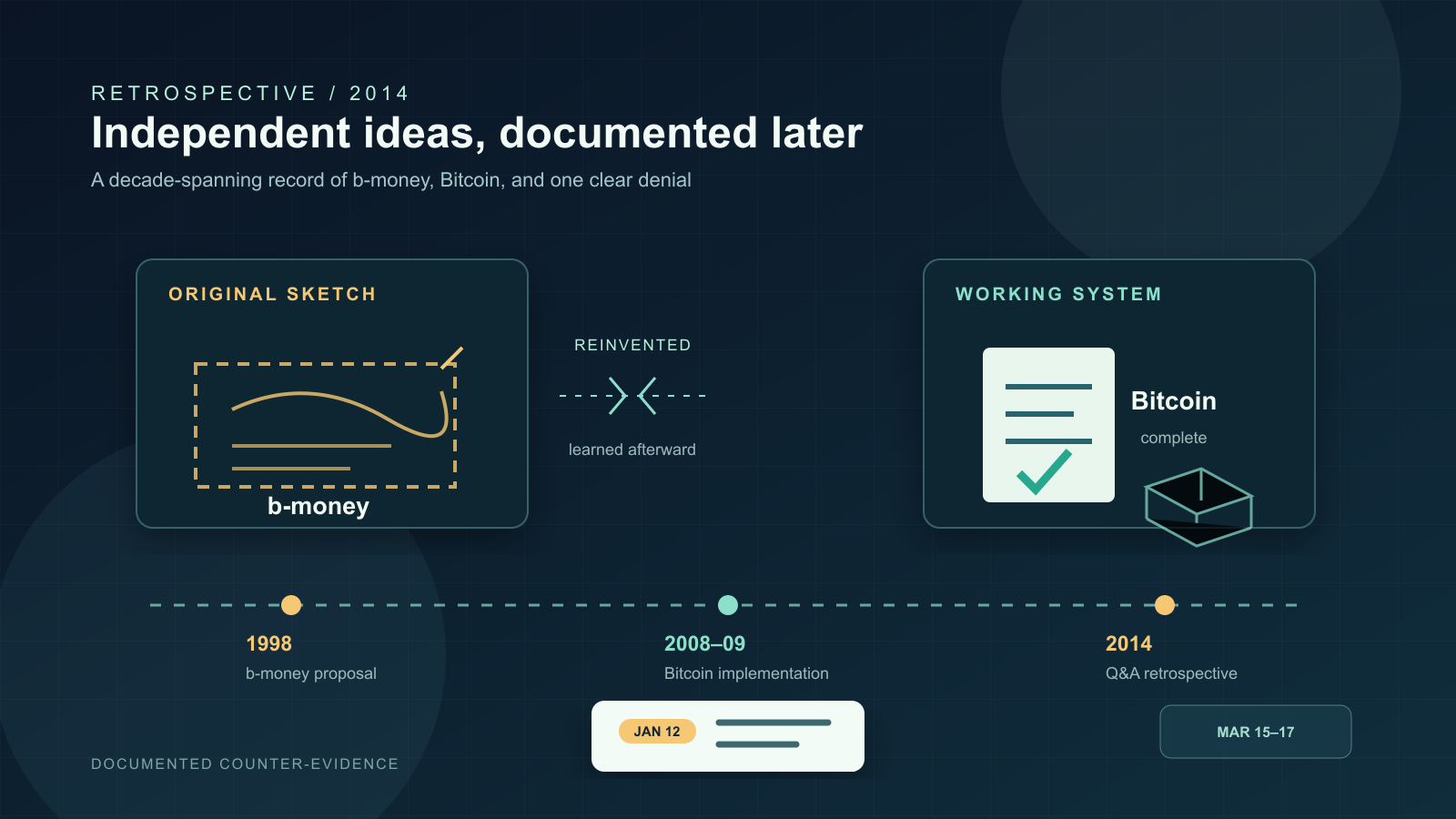
- Cited post-hoc (primary-source-confirmed). Satoshi was not aware of the reference during development, learned of it later, and added the citation to the whitepaper’s reference list. The August 21–22, 2008 emails confirm Wei Dai’s b-money in this category.
- General computer-science knowledge (background). The reference belongs to standard cryptography or probability theory available to any well-read computer scientist of the period. Whether Satoshi consulted the specific cited paper or arrived at the concept via general training is not recoverable from primary sources. Merkle trees (1980), Haber-Stornetta linked timestamping (1991–1997), and Feller’s probability-theory textbook (1957) fall here.
- Novel components (no citation possible). Components Bitcoin invents without precedent. Decentralized consensus by longest-chain rule weighted by PoW, the UTXO model, mining-reward block-subsidy issuance, the 21-million cap, the difficulty-adjustment algorithm, and the operational P2P network all fall here.
2. Component-by-component lineage
| Bitcoin component | Cited reference | Use category | Notes |
|---|---|---|---|
| Proof of work | [6] Hashcash (Back 1997, rev. 2002) | Used during development | Confirmed by Aug 20–22, 2008 emails between Satoshi and Back |
| Linked timestamping / chain ordering | [2-5] Haber-Stornetta 1991, 1993, 1997 + Massias 1999 | General CS knowledge | Standard 1990s timestamping literature; Bitcoin’s chain-of-blocks concept resembles linked timestamping |
| Merkle trees in block headers | [7] Merkle 1980 | General CS knowledge | Standard CS textbook concept; used for transaction-set efficiency |
| Probability analysis of double-spend | [8] Feller 1957 | General CS knowledge | Standard probability textbook; used in whitepaper §11 Calculations |
| Distributed digital cash concept | [1] b-money (Wei Dai 1998) | Cited post-hoc | Satoshi’s Aug 22 reply: “I wasn’t aware of the b-money page” |
| Decentralized consensus (longest-chain rule weighted by PoW) | — | Novel | Bitcoin’s central innovation |
| UTXO model | — | Novel | Bitcoin’s transaction-output design |
| Mining-reward block-subsidy issuance | — | Novel | Bitcoin’s monetary-issuance mechanism |
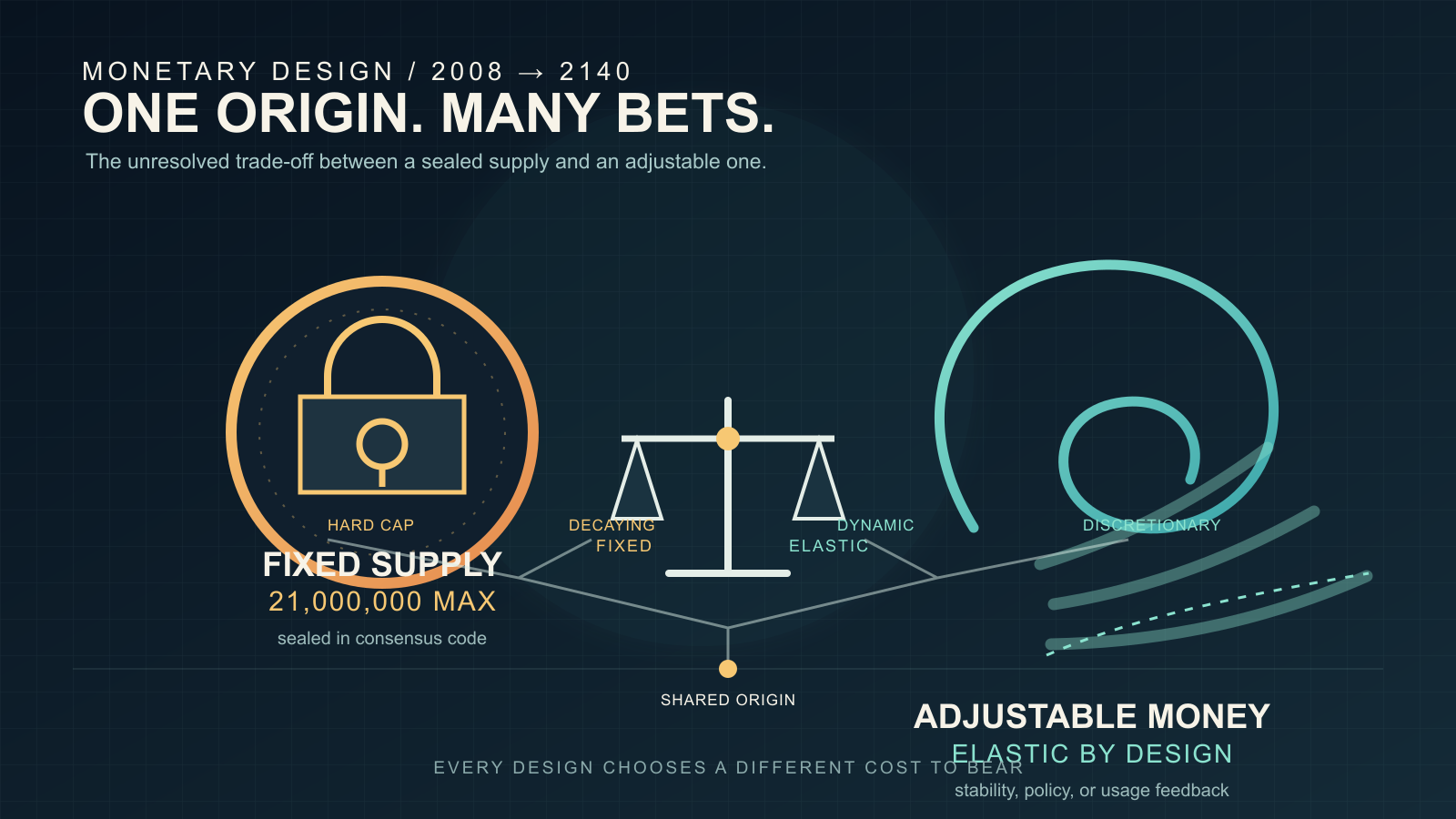
| 21-million supply cap | — | Novel | Bitcoin’s monetary-policy parameter |
| Difficulty adjustment | — | Novel | Bitcoin-specific algorithm |
| P2P network propagation (the running network) | — | Novel synthesis | Generic P2P principles applied to ledger replication |
| ECDSA / secp256k1 transaction signatures | — | Standard cryptography | Standard tool, not specifically cited |
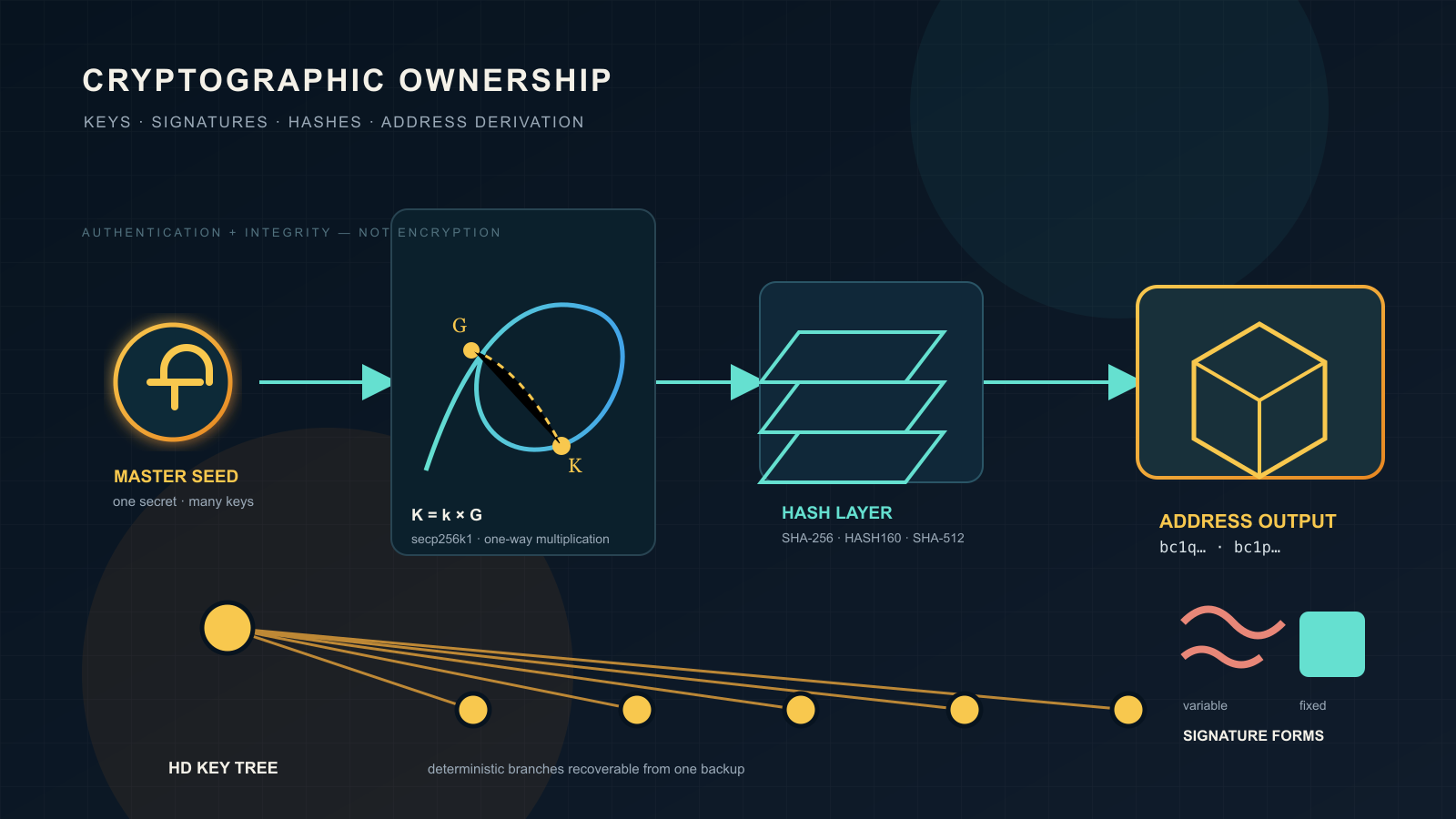
The novel components are not in the whitepaper’s reference list because no one had previously published them. They are Bitcoin’s contribution to the design space. What ECDSA became at the implementation level — key generation, signing, verification, and the two eras of signature scheme Bitcoin has run — is documented in the cryptography design page.
3. Primary-source evidence for the citation categories
3.1 Hashcash: used during development
Satoshi’s August 20, 2008 email to Adam Back asked specifically about the correct citation format for Hashcash. The email body describes Bitcoin’s mechanism in detail and references Hashcash as an existing primitive Satoshi was reusing in the code. This places Hashcash usage during development, not after it.
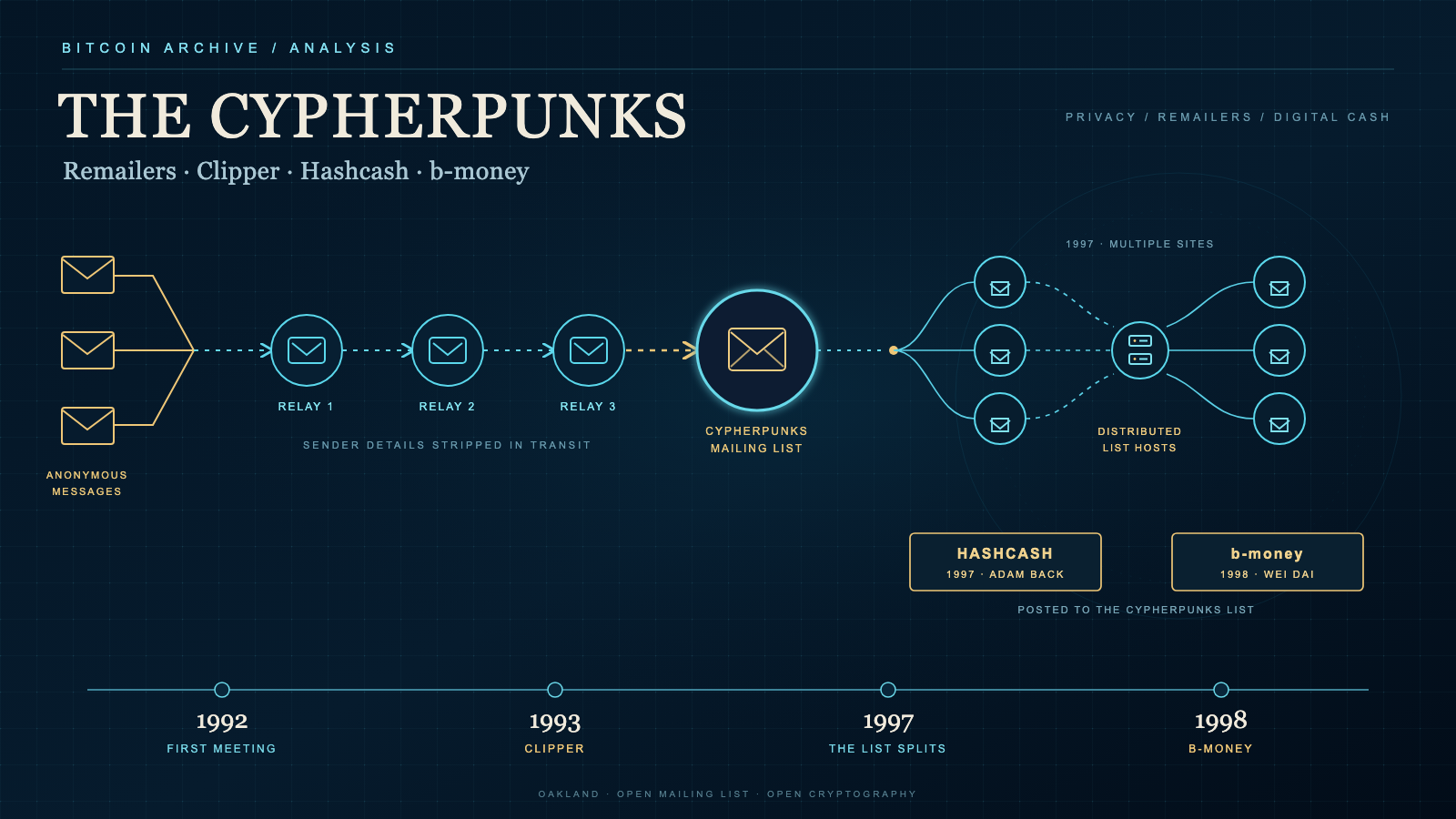
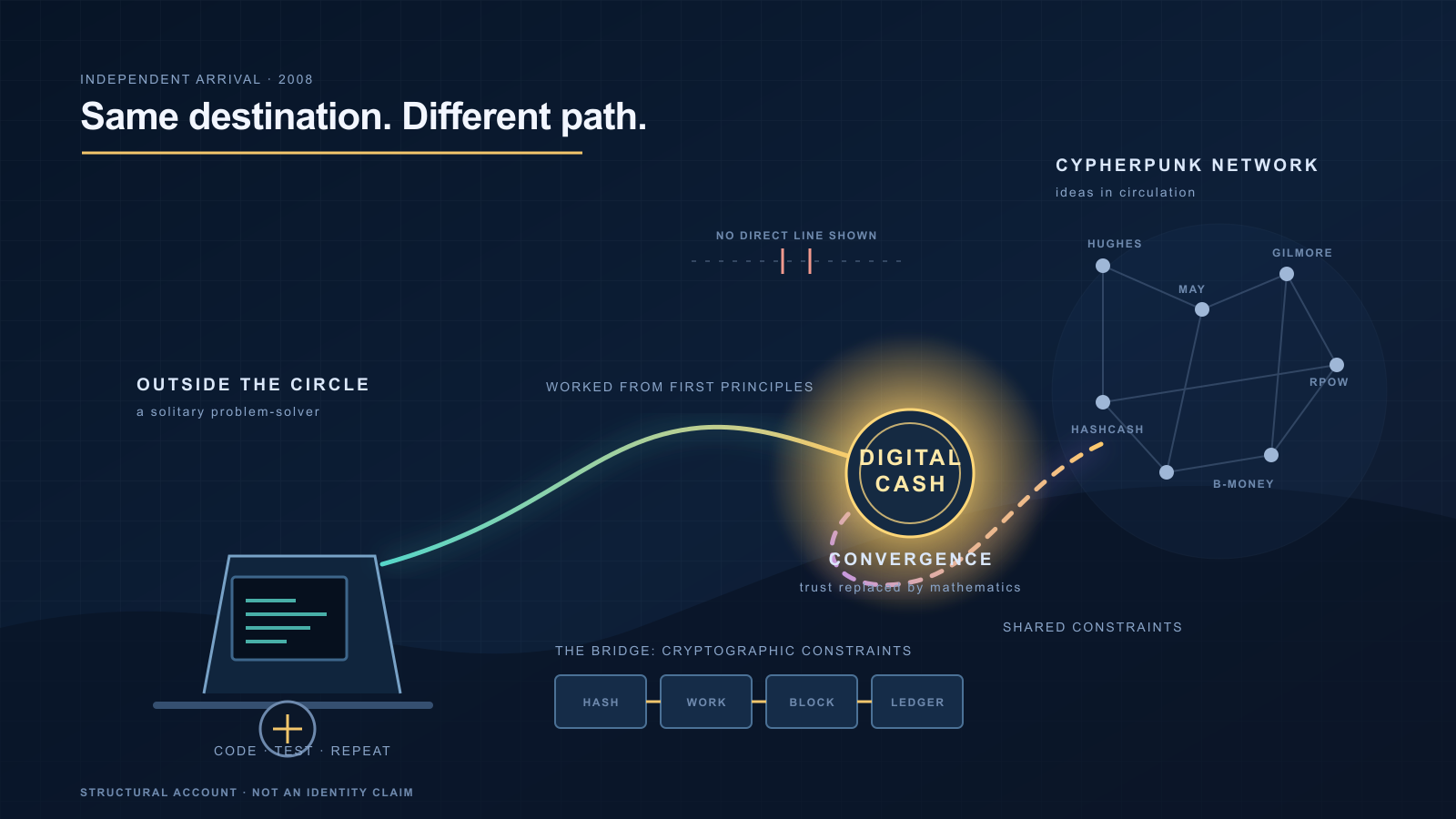
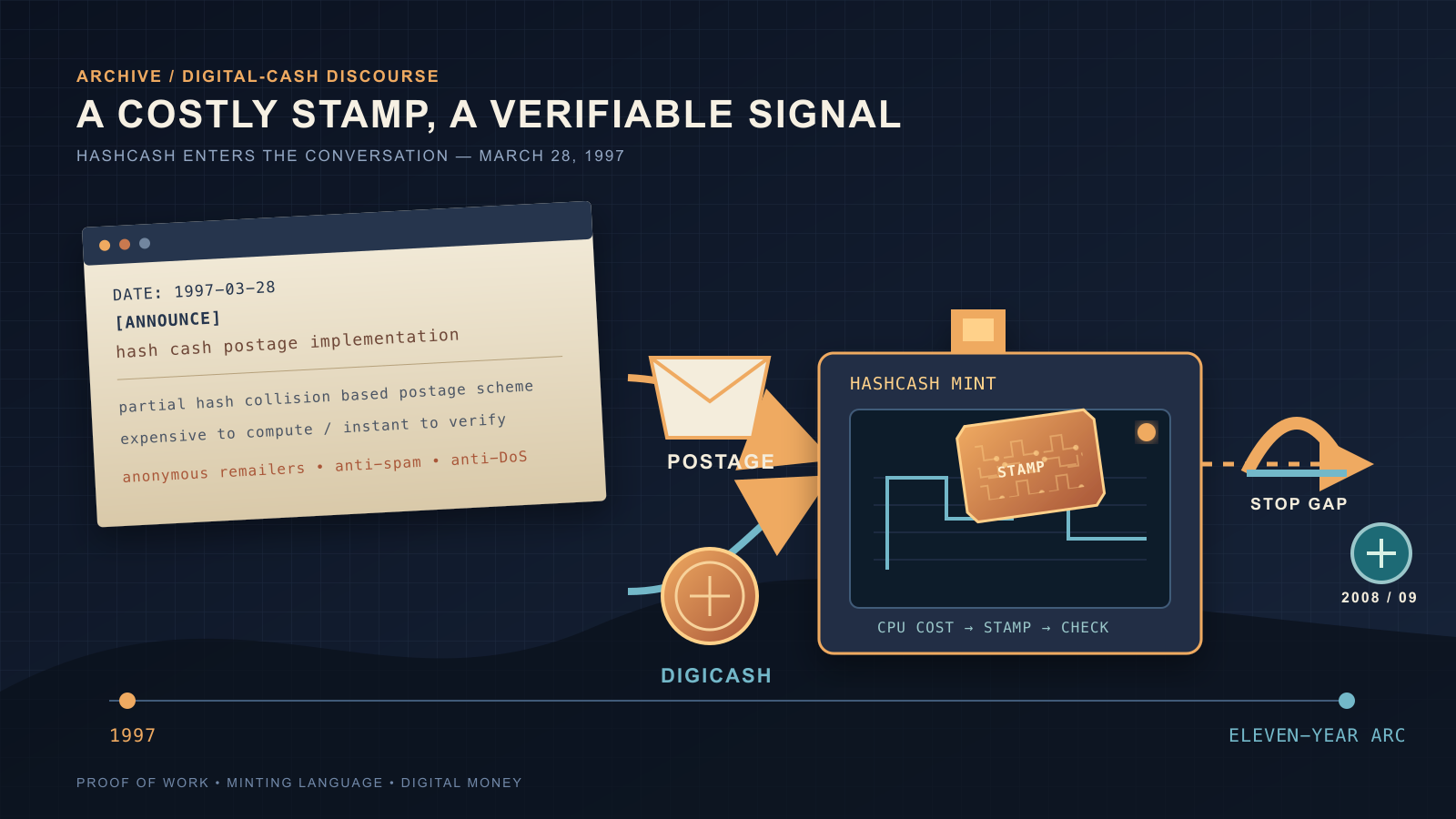
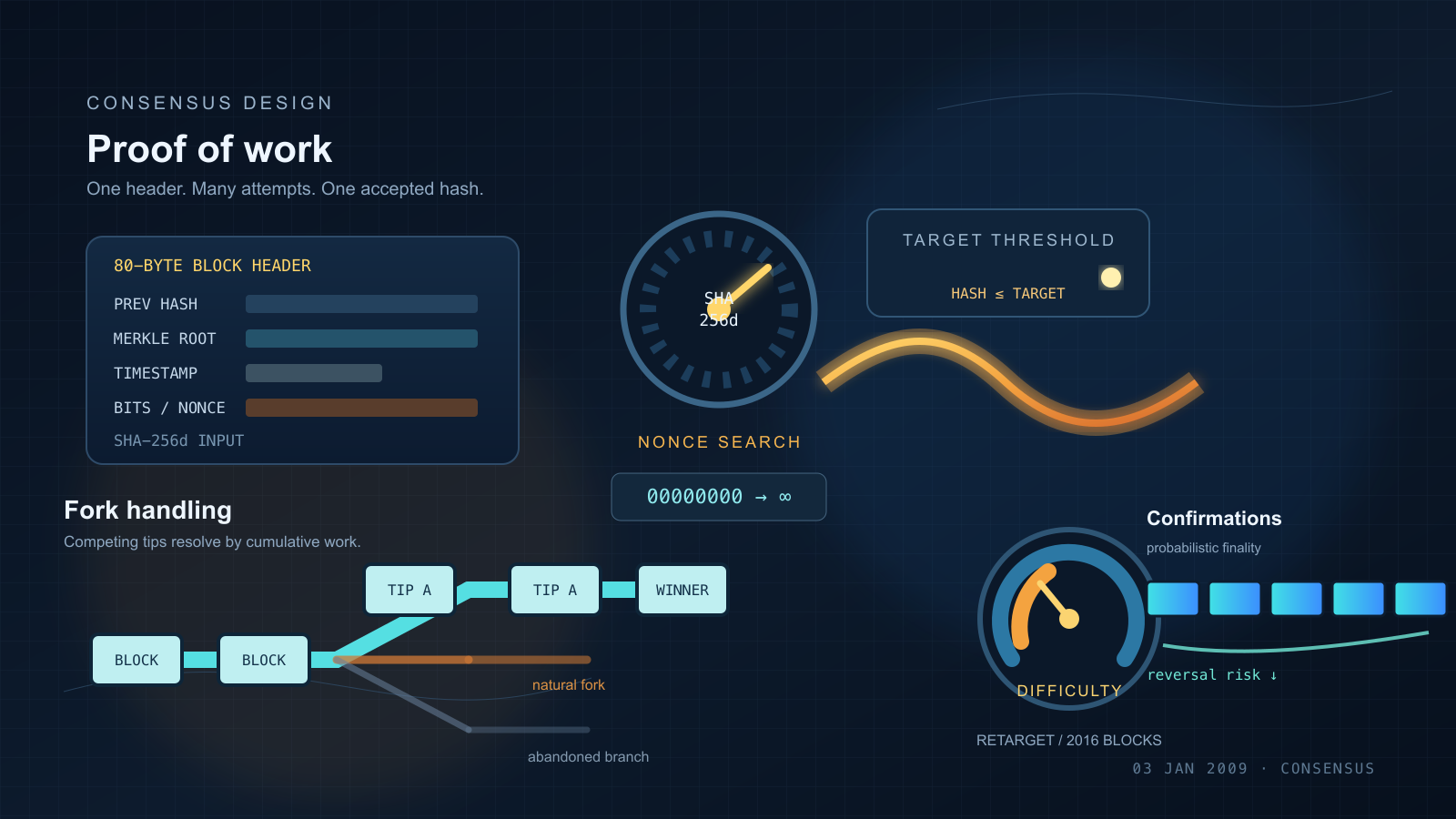
The “cash” in Hashcash is a computational-postage metaphor (Back’s 1997 anti-spam denial-of-service counter-measure), not a currency. The system contains only the proof-of-work primitive — no ledger, no transfers, no consensus, no monetary supply. Bitcoin reuses the primitive and builds the rest separately; see the Adam Back hypothesis entry §1.2 for what this implies for the Hashcash-author-equals-Bitcoin-author argument. The consensus design page documents what the reused primitive became mechanically: the SHA-256d proof-of-work puzzle every miner solves to produce a valid block.
3.2 b-money: cited post-hoc
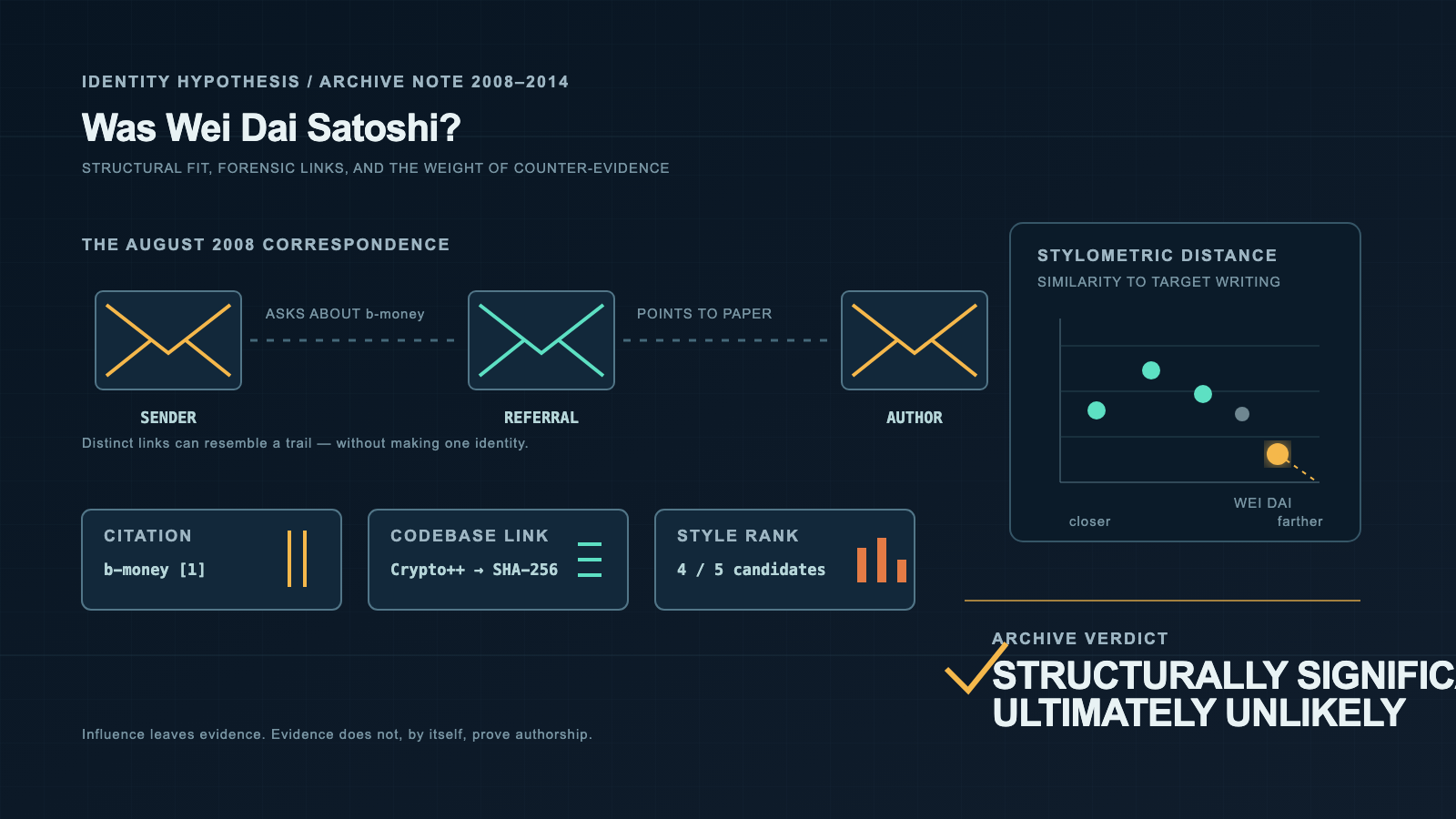
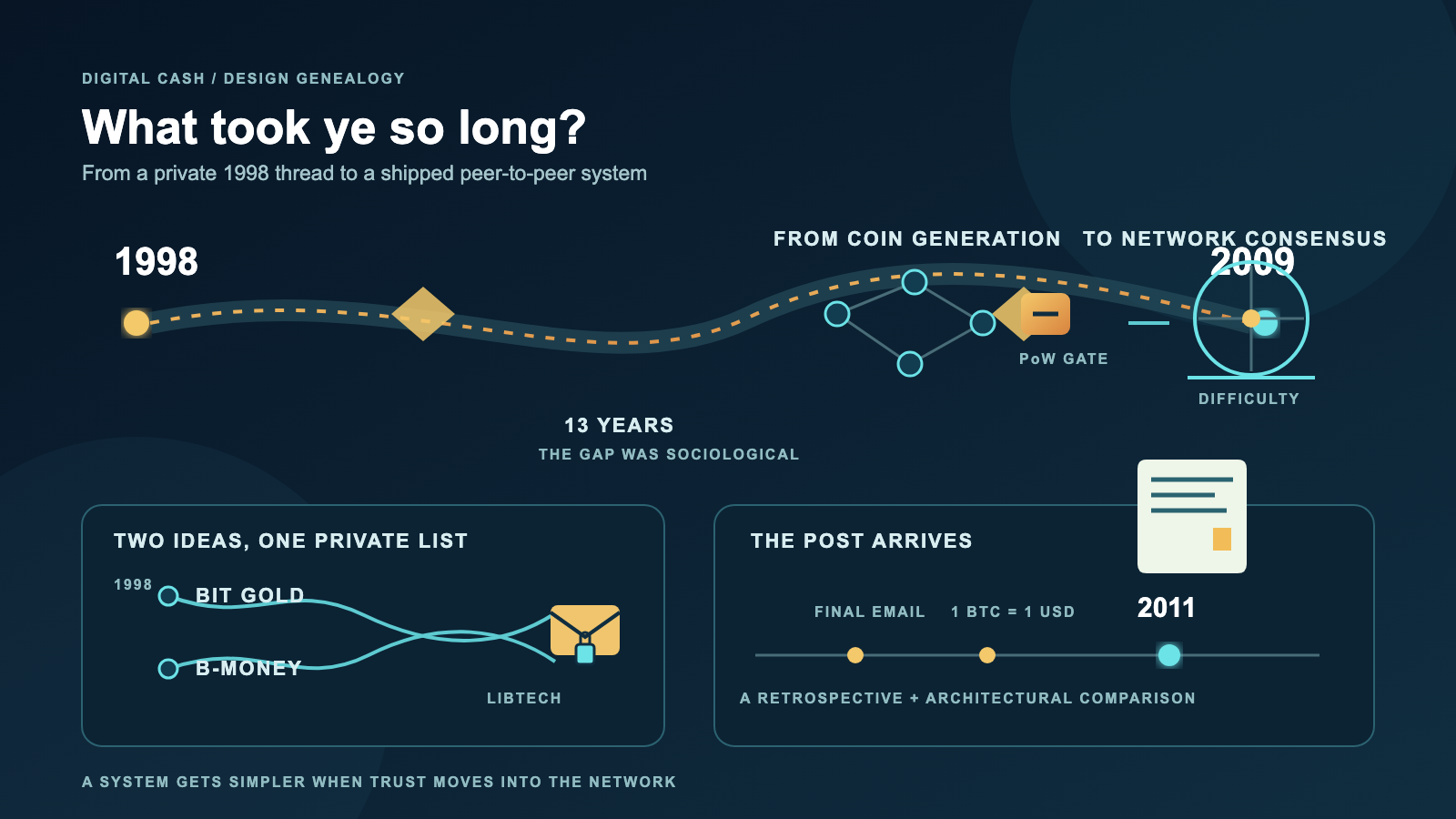
Satoshi’s August 21, 2008 reply to Back opens with “Thanks, I wasn’t aware of the b-money page, but my ideas start from exactly that point.” This is direct primary-source evidence that b-money was added to the whitepaper’s reference list after the code was substantially complete (per the November 9, 2008 letter to Hal Finney quoted in §1, the code preceded the paper). The next day, Satoshi emailed Wei Dai directly about the proposal.
The citation that appears in the whitepaper is reference [1] — Wei Dai, “b-money,” 1998. The numerical position is editorial; the content was added late. Wei Dai’s 2014 retrospective on the AALWA thread is consistent with this: Wei Dai indicates Satoshi was “not previously active” in cypherpunk communities — a framing that fits a designer who had to discover b-money via referral.
This Hashcash/b-money lineage is also the dimension the Kaneko Isamu identity hypothesis tests Kaneko against: unlike Satoshi, Kaneko has no documented presence in this conversation, and Winny’s own design lineage (Freenet, Gnutella) runs in a different direction entirely.
3.3 Merkle trees, timestamping, probability: general CS knowledge
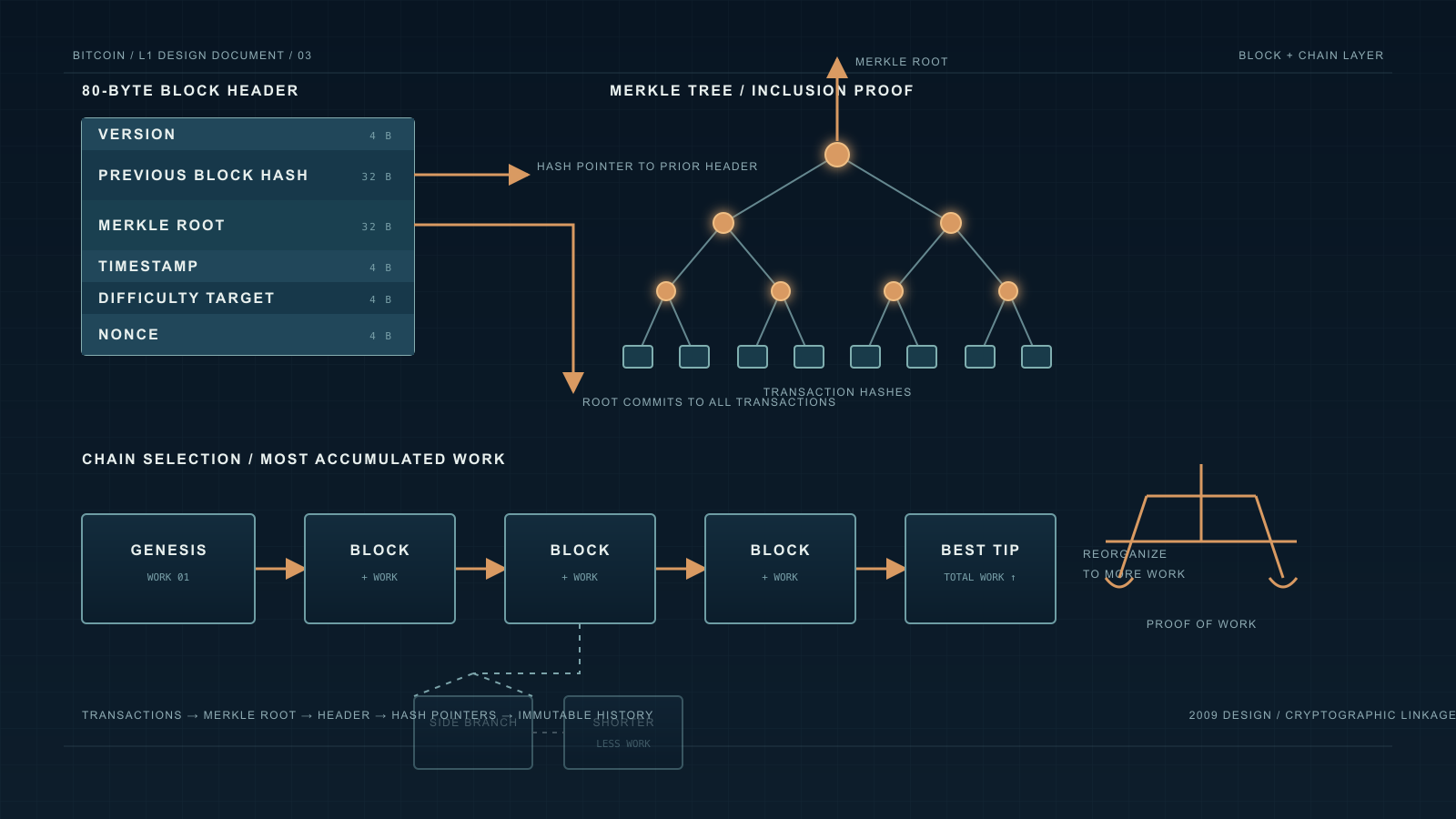
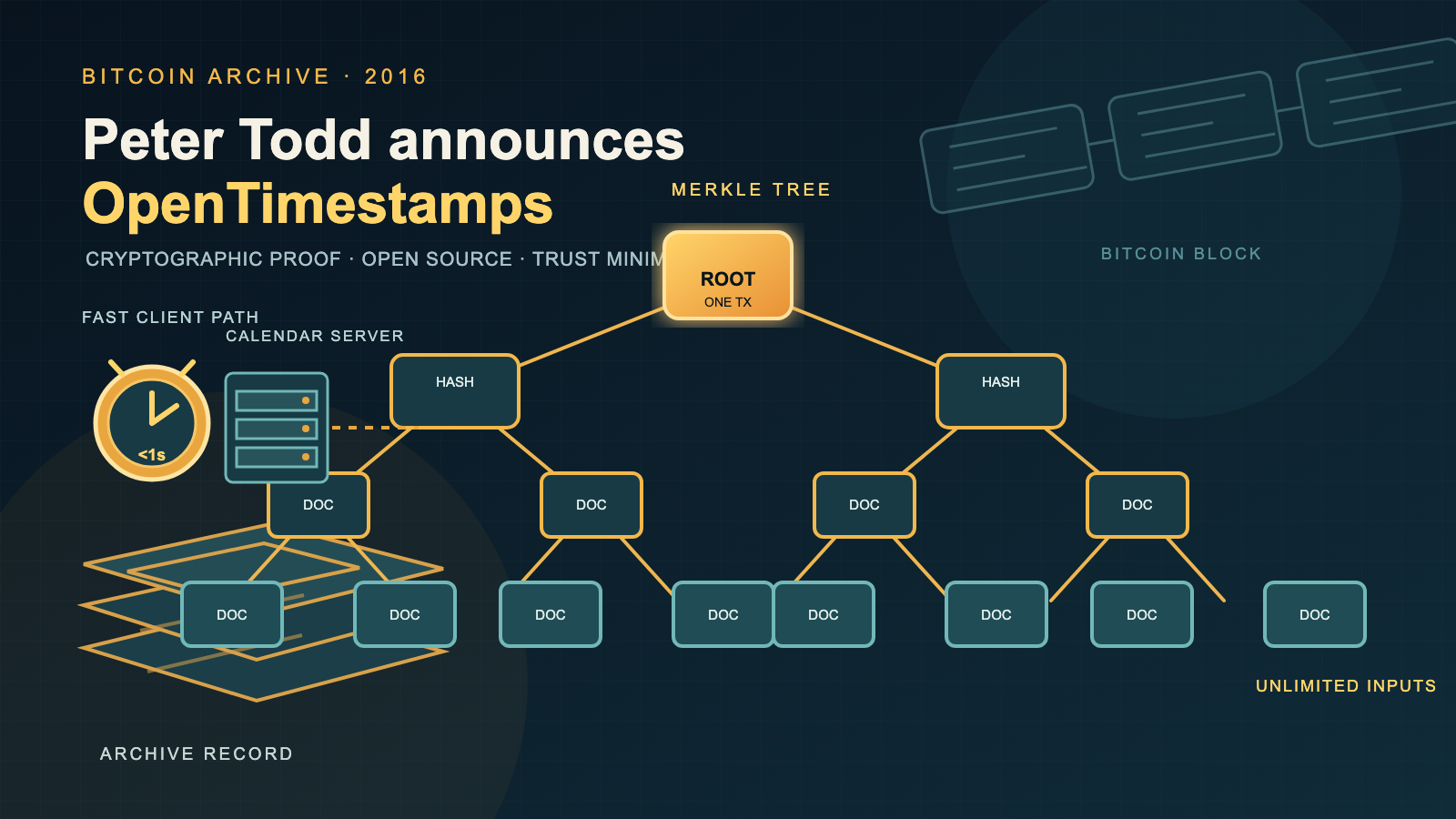
The whitepaper uses Merkle trees in block headers (§7), describes a timestamp-server-style chain construction (§3), and analyzes double-spend probability (§11). Each has a cited reference. But the underlying concepts are standard 1990s–2000s computer science available to anyone with relevant graduate-level exposure. Satoshi’s email correspondence does not contain a moment analogous to “I wasn’t aware of [Merkle trees]” or “I wasn’t aware of [linked timestamping]” — the absence of such evidence does not establish contemporaneous use, but it also does not establish post-hoc addition. The records leave the question open: Satoshi may have consulted these specific papers, or may have arrived at the concepts through general training and added the citations as the most relevant prior art. Section 3’s title, “Timestamp Server,” is exactly what Peter Todd generalized into standalone infrastructure with OpenTimestamps in 2016, eight years after the whitepaper drew on this same linked-timestamping lineage. The block and chain design page documents what these borrowed components became at the implementation level: the Merkle tree that commits a block’s transactions and the hash-chained header sequence that makes the ledger append-only.
3.4 Novel components: no citation possible
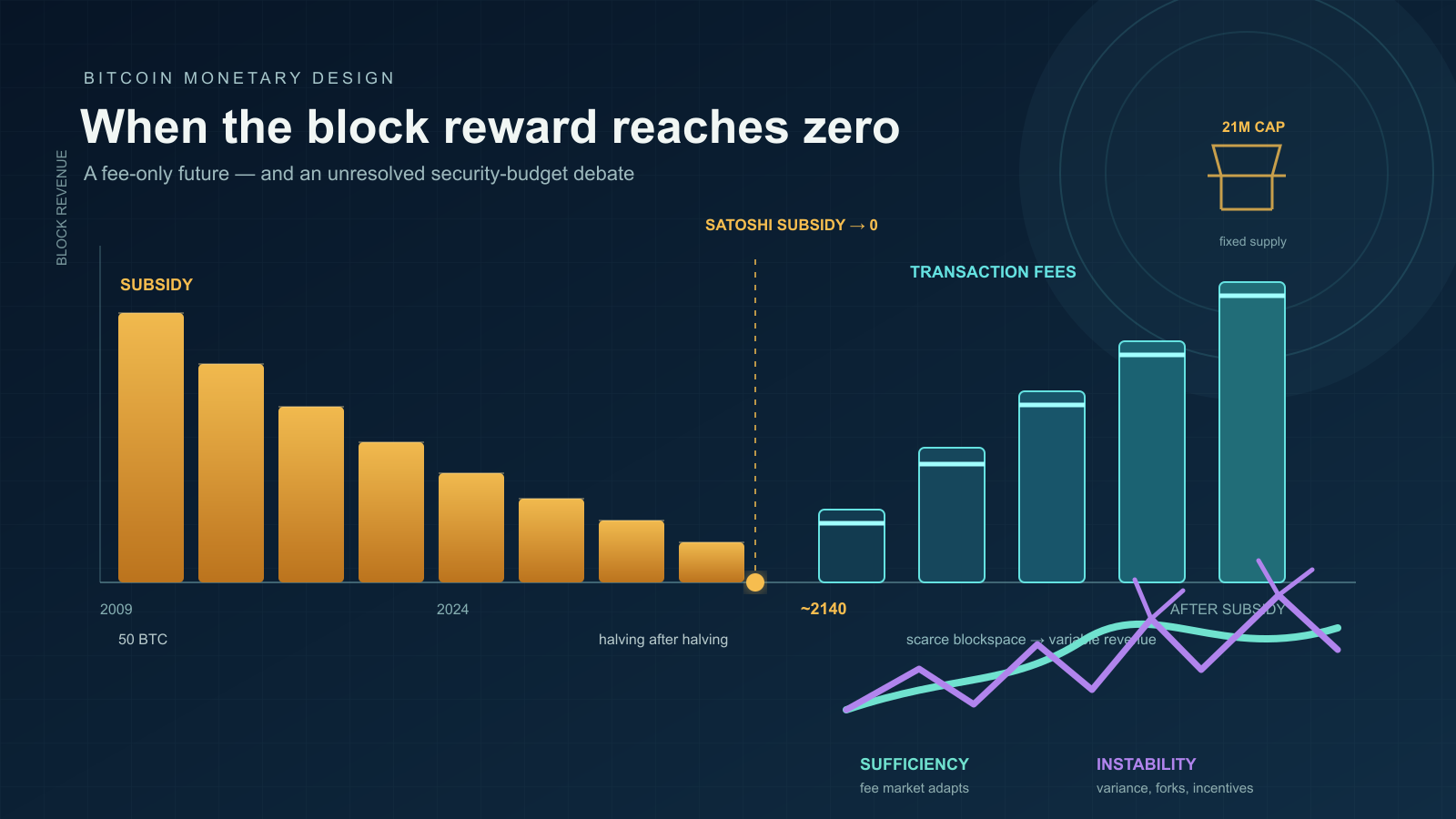
Decentralized consensus by longest-chain rule weighted by proof-of-work, the UTXO model, mining-reward block-subsidy issuance, the 21-million monetary cap, and the difficulty-adjustment algorithm have no precedent in the whitepaper’s reference list because they did not exist as an integrated design before Bitcoin. The whitepaper presents them as Bitcoin’s contribution. Some sub-components (the longest-chain idea, P2P consensus generally) have related prior work in distributed-systems literature; the claim is that the specific synthesis is novel.
4. Implications for Satoshi-identity hypotheses
The component-level breakdown bears directly on identity-hypothesis weighting. Two specific implications:
- Authoring Hashcash means designing one of Bitcoin’s many components. The PoW primitive is one cited contribution in a system that contains many novel components. The forensic-fit argument that “Hashcash author = Bitcoin author” can therefore credit Hashcash as a partial contribution but not as the whole. See the Adam Back = Satoshi hypothesis entry.
- Authoring b-money similarly does not mean authoring Bitcoin’s design. The b-money citation was added after Satoshi learned of it from Adam Back’s referral; b-money’s concepts did not influence Bitcoin’s design during the development period. See the hypotheses overview’s Wei Dai profile.
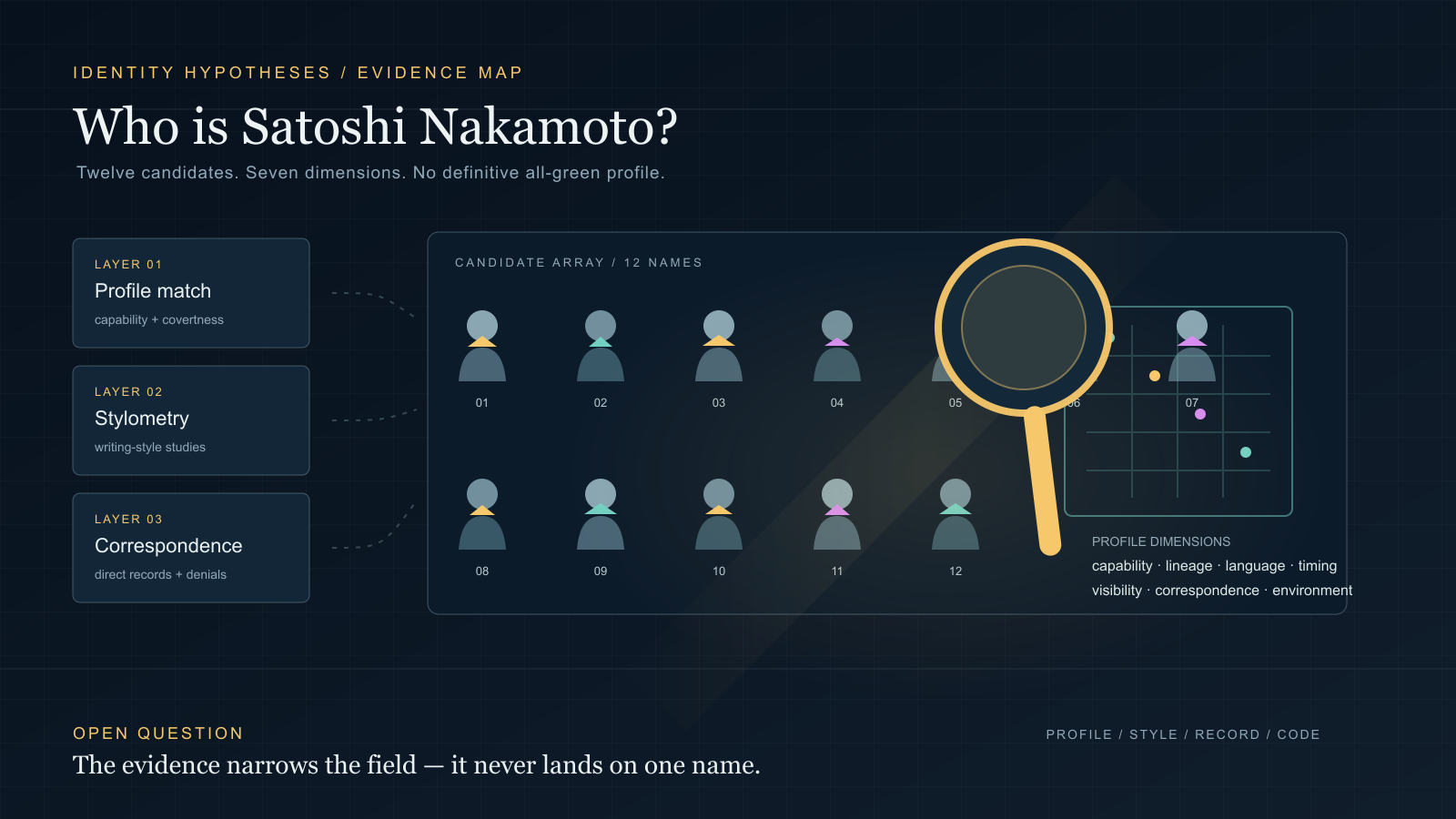
Other named-candidate hypotheses (Sassaman, Kaneko, Todd, Wright, etc.) are not directly tied to whitepaper-reference authorship and are evaluated on different grounds (timing, capability, visibility, external denials). See the hypotheses overview.
5. Limits of this entry
- This entry is restricted to whitepaper-reference-level lineage. It does not analyze Bitcoin v0.1 source-code-level reuse — for example, the v0.1 codebase imports specific cryptographic libraries (Crypto++ for SHA-256) that are not whitepaper references — which is the scope of the source-code analysis entry.
- The “general CS knowledge” category leaves contemporaneous knowledge undetermined. If new primary-source evidence surfaces (additional Satoshi correspondence, design notes), individual rows in §2 may move between categories.
- The “novel synthesis” category claims absence of precedent only at the level of integration. Some sub-components have related prior work in distributed-systems literature; the claim is that the specific synthesis is novel.
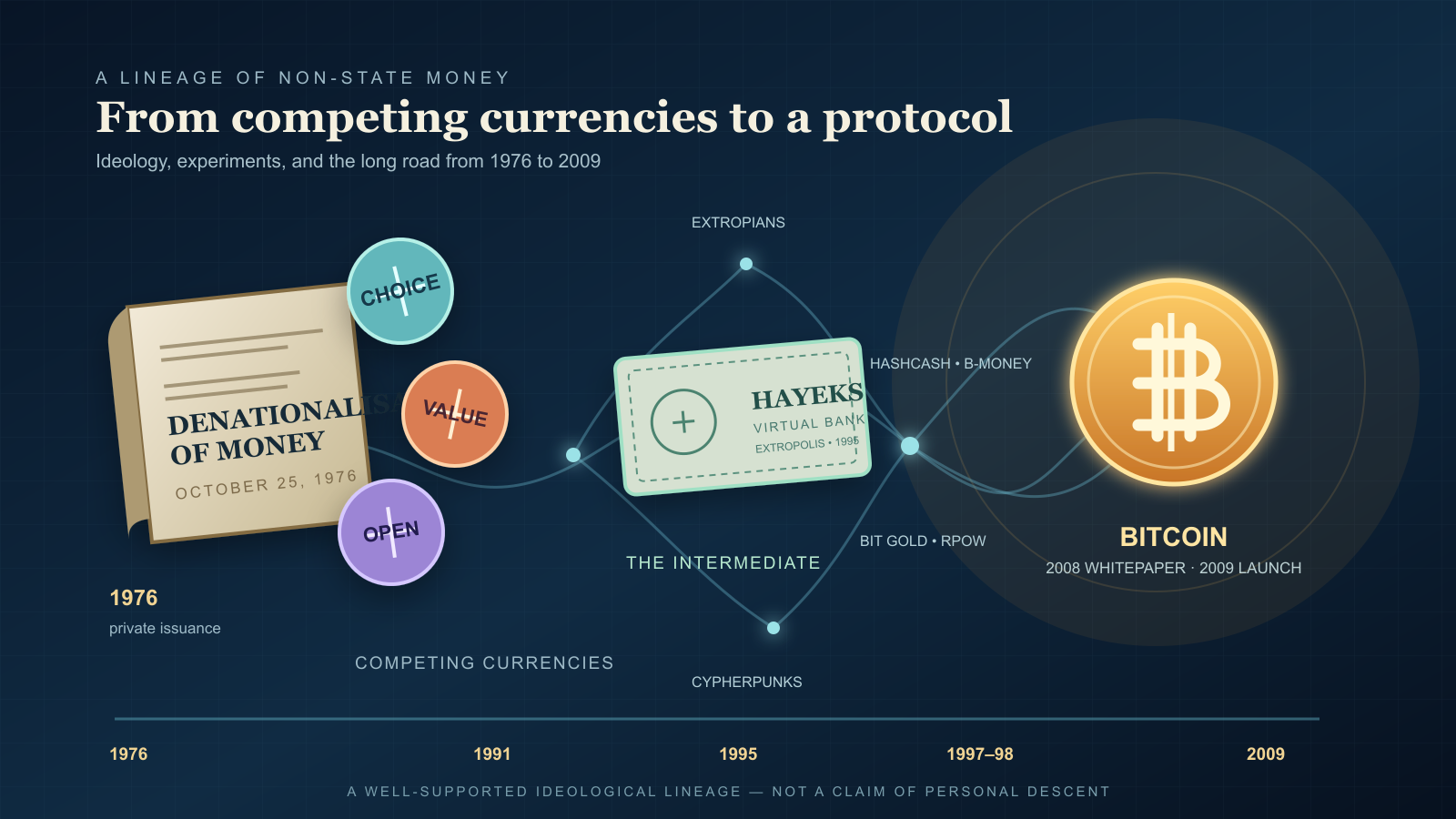
The technical-lineage focus of this entry sits inside the broader ideological lineage traced from Hayek’s 1976 Denationalisation of Money through the 1990s Extropian and cypherpunk milieus; that earlier-stage ideological framing is in the Hayek-Extropian lineage entry.
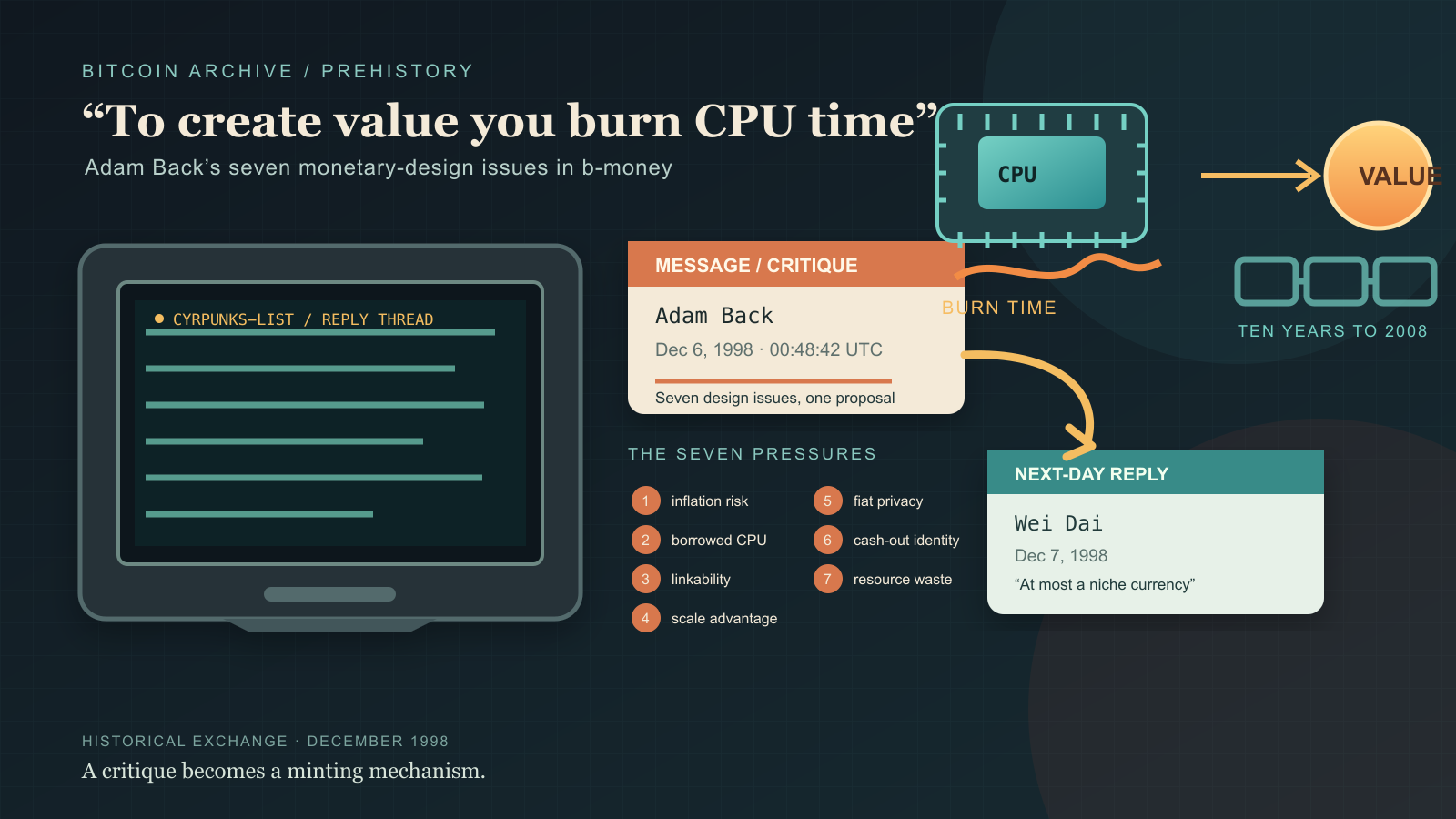
The reuse-versus-invent question runs through several later readings: the Wei Dai identity hypothesis draws on the b-money row, the Nick Szabo identity hypothesis applies the same reading to Bit Gold (a precursor the whitepaper does not cite, and so not a row above), and the cypherpunk-independent-arrival analysis uses the Hashcash row to argue that Satoshi knew the precursor without belonging to the community around it. The primary sources behind those rows are the Hashcash announcement and Adam Back’s 1998 b-money critique.
Bitcoin’s reference list looks like a family tree and reads, to me, like a bibliography assembled after the fact. The author wrote the code first and went looking for its ancestors afterwards, and found that the most important pieces had none.