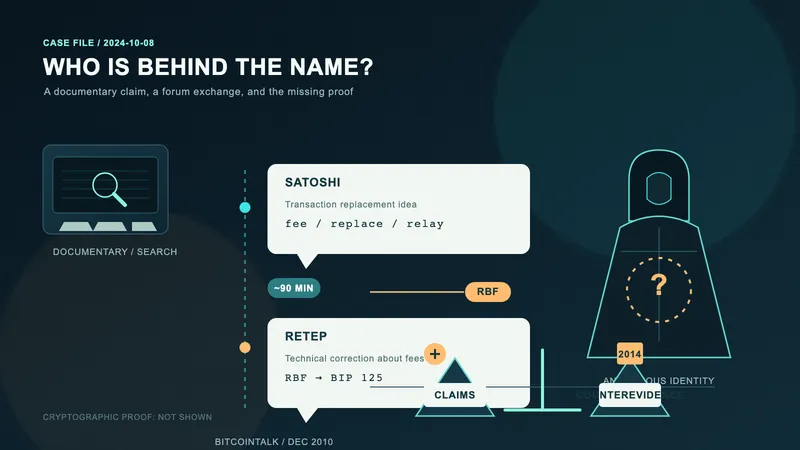

On April 7, 2025, attorney James A. Murphy — known publicly as “MetaLawMan” — filed a Freedom of Information Act lawsuit against the U.S. Department of Homeland Security in the U.S. District Court for the District of Columbia. The suit seeks DHS records related to a 2019 on-record claim by DHS Special Agent Rana Saoud that a DHS agent had traveled to California to interview a person he believed was Satoshi Nakamoto — and, on arrival, found three more people involved in Bitcoin’s creation, for four interview subjects in total.
The 2019 OffshoreAlert remark
At the OffshoreAlert Conference on Financial Intelligence & Investigations on April 29, 2019, Special Agent Rana Saoud told the audience that DHS “knows the identity of Satoshi Nakamoto.” By her account, one of the agents had asked to fly to California specifically to interview the person he believed was Satoshi Nakamoto; when he got there, “he wasn’t alone” — three other people had also been involved in creating Bitcoin, and DHS personnel sat down with all four to discuss how Bitcoin works and their reasons for building it. Saoud did not name any of the four individuals, and DHS has not, in the years since, published any record confirming the alleged interview took place.
FOIA request and DHS response
Murphy submitted a FOIA request to DHS on February 12, 2025, seeking internal DHS emails, travel documentation, interview records, transcripts, and recordings related to Saoud’s 2019 comments. The complaint’s exhibits include a DHS final letter dated the next day, February 13, an email from ICE, and Murphy’s February 19 response; no records were released.
The complaint
With no records produced, Murphy filed suit on April 7, 2025 in the U.S. District Court for the District of Columbia. He is represented by Schaerr Jaffe LLP, with Brian Field — a FOIA specialist on the firm’s team — serving as co-counsel. The case was assigned to Judge Reggie B. Walton. DHS answered the complaint on May 30, 2025; since then the parties have filed joint status reports and the court has held status conferences, and as of October 9, 2026 the case was still open with no ruling on the records. The court will decide whether DHS must produce the requested records or may withhold them under national-security or privacy exemptions.
Position in the broader Satoshi-identification record
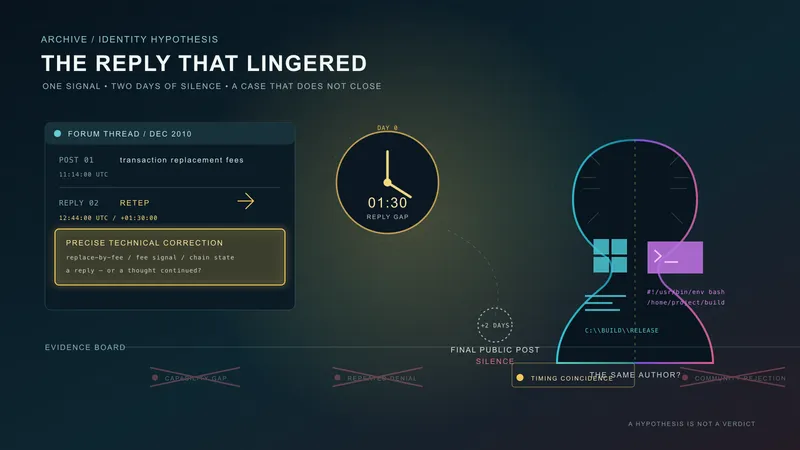
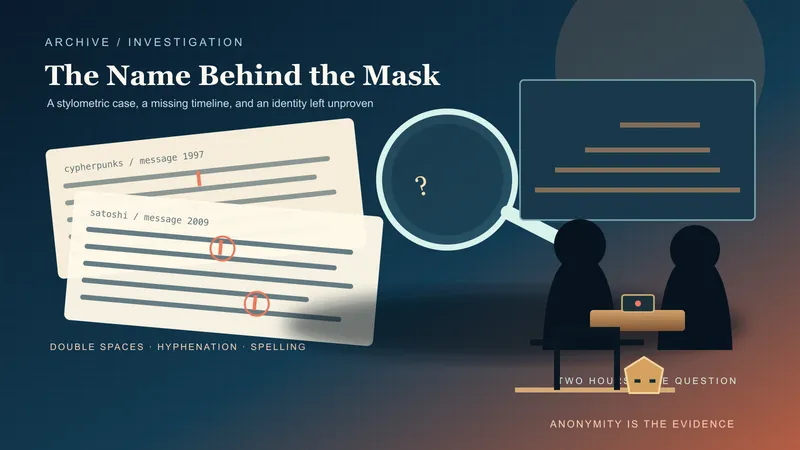
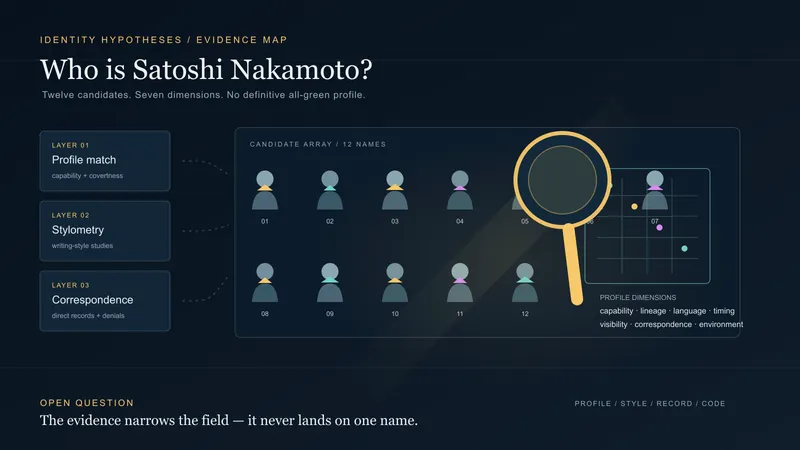
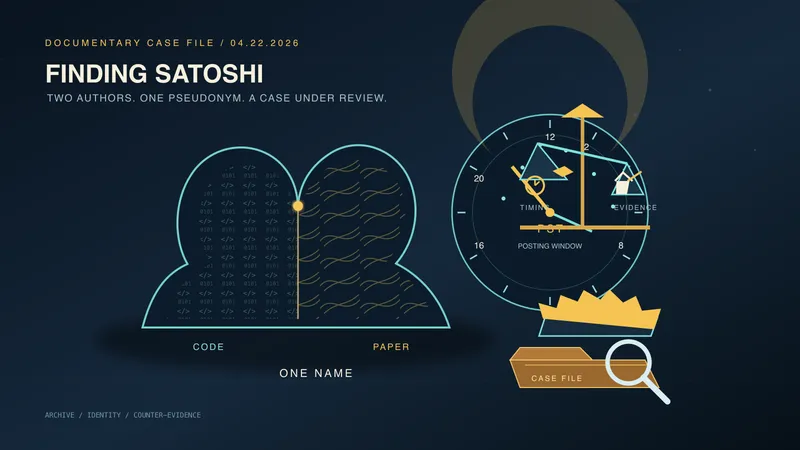
The Murphy suit is structurally distinct from the journalistic and documentary identifications that dominate the post-2024 wave. The 2024 HBO documentary on Peter Todd — subject of his own identity hypothesis — the 2026 New York Times Carreyrou investigation on Adam Back, and the 2026 Finding Satoshi Finney-Sassaman documentary all rely on stylometric or circumstantial reasoning to single out named candidates, and the living candidates publicly denied the identification.
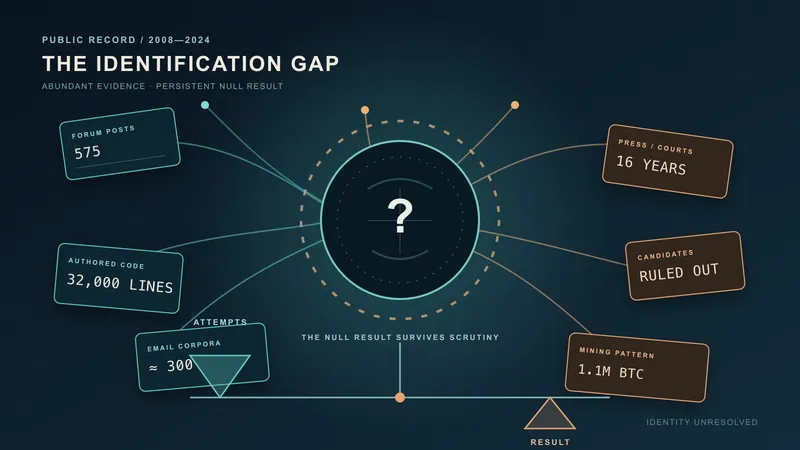
The Murphy action targets a different evidence channel — a government agent’s own on-record statement about an internal interview event — and uses the federal FOIA mechanism to demand the underlying documents. If DHS records exist as Saoud’s remarks suggested, court-ordered disclosure could in principle settle specific factual questions about the 2019 interview without resorting to stylometric inference.