
In a CoinGeek Weekly Livestream interview, Mike Hearn — one of the few people who corresponded directly with Satoshi Nakamoto — offered rare personal reflections on Bitcoin’s creator and the project’s evolution.
Hearn described Satoshi as someone interested in “experimenting and discussing possibilities.” Satoshi “was always happy to explain how Bitcoin could be used for other people’s ideas,” suggesting an open, collaborative mindset rather than a rigid ideologue.
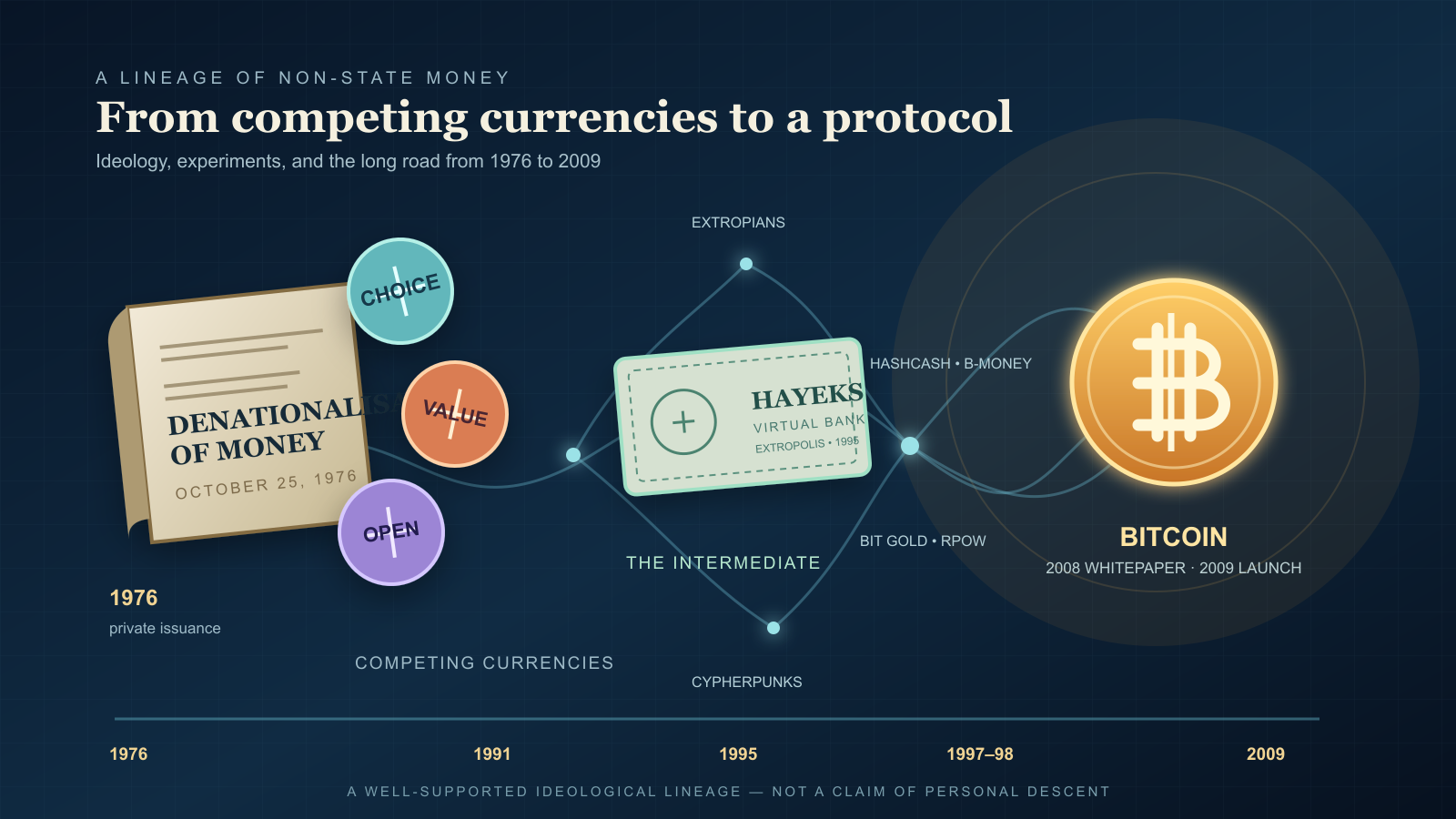
Hearn noted that Satoshi was “interested in payments and novel uses for the technology” — not a “gold bug or Hayek fan” as many in the later community would portray him. This first-hand account bears directly on a question the Hayek-to-Bitcoin ideological lineage analysis leaves open: whether Satoshi personally held Hayekian monetary views. It sits alongside the archive’s own audit of Satoshi’s studied non-technical silence, built from Hearn’s own correspondence, as a second first-hand read on the same personality — open and collaborative on substance, guarded on everything personal.
On why Satoshi disappeared, Hearn was blunt:
“When evangelical personalities showed up, he appeared to grow frustrated and understandably disappeared.”
This characterization — that Satoshi was driven away not by external threats but by the zealotry of his own community — is a first-hand assessment from someone who corresponded with Satoshi directly.
Asked what he would have done differently, Hearn started with the social side:
“The tech is still interesting, but I now have a greater appreciation for the social side of things. Solving the computer science problems is not enough.”
Hearn said that if he could go back, he “would have pushed back harder against some of the ideas” he disagreed with, and believed that “the Bitcoin Foundation could have worked out if handled differently.”
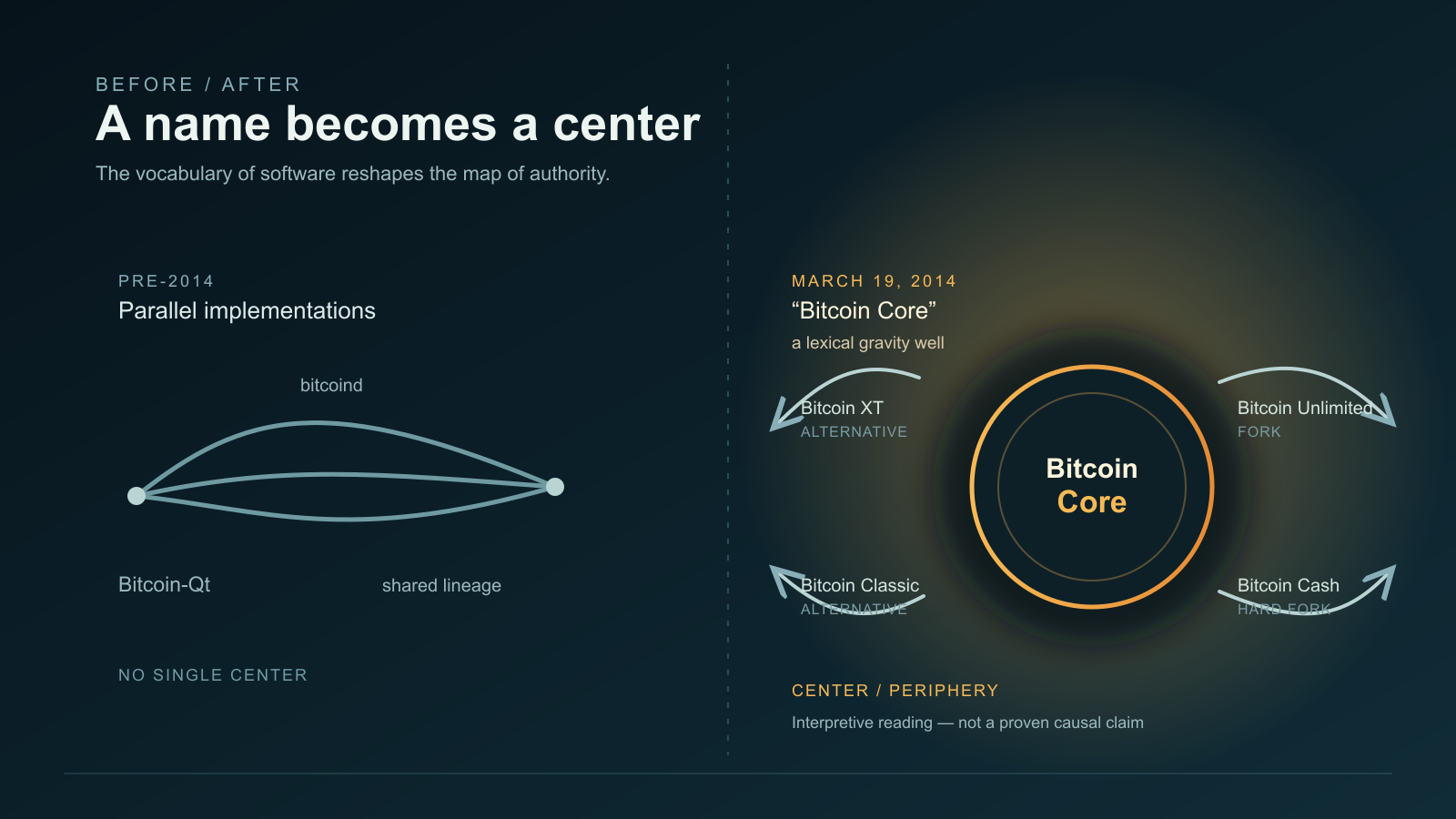
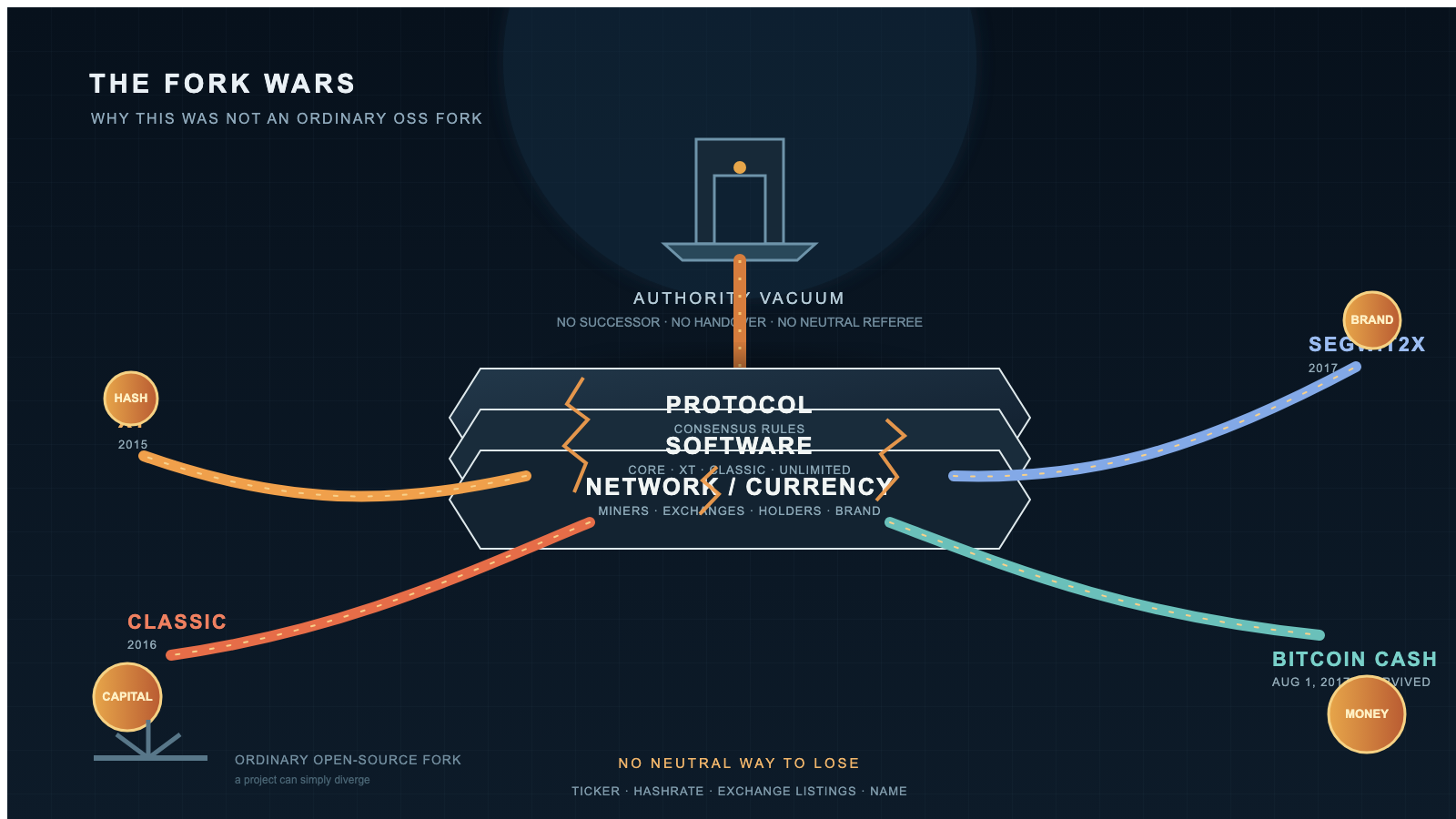
He also regretted adopting the term “Bitcoin Core,” suggesting the naming reinforced an unhealthy power dynamic within the project.
By the time of this interview, Hearn had left R3 in 2021, founded Hydraulic Software, and was preparing to join Oracle as a software architect — well after his 2016 departure from Bitcoin.
Who the “evangelical personalities” were — the WikiLeaks “bring it on” thread
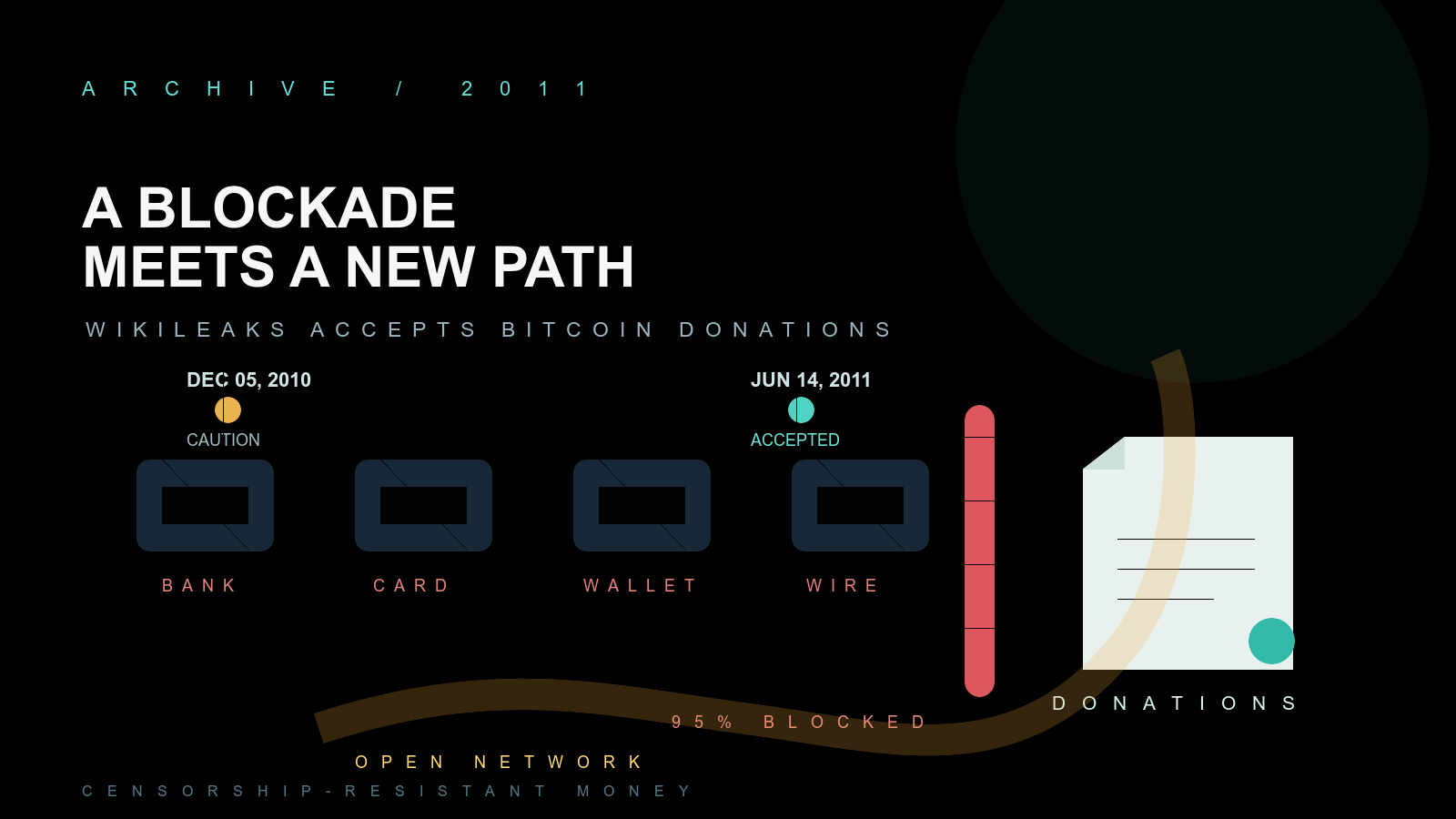
A concrete example of what Hearn describes is the WikiLeaks donations thread (BitcoinTalk topic-1735), which ran on December 4-5, 2010 — just seven days before Satoshi’s final public post.
Robert S. Horning’s post framed the issue in moral, sacrificial, state-confrontational terms:
Quote from: RHorning on December 04, 2010, 10:17:44 PM UTC“Basically, bring it on. Let’s encourage Wikileaks to use Bitcoins and I’m willing to face any risk or fallout from that act. … If the U.S. government kills me or puts me in jail, I’ll certainly set a way for this community to find out.”
Satoshi replied directly the next day:
Quote from: Satoshi Nakamoto on December 05, 2010, 9:08:08 AM UTC“No, don’t ‘bring it on’. … the heat you would bring would likely destroy us at this stage.”
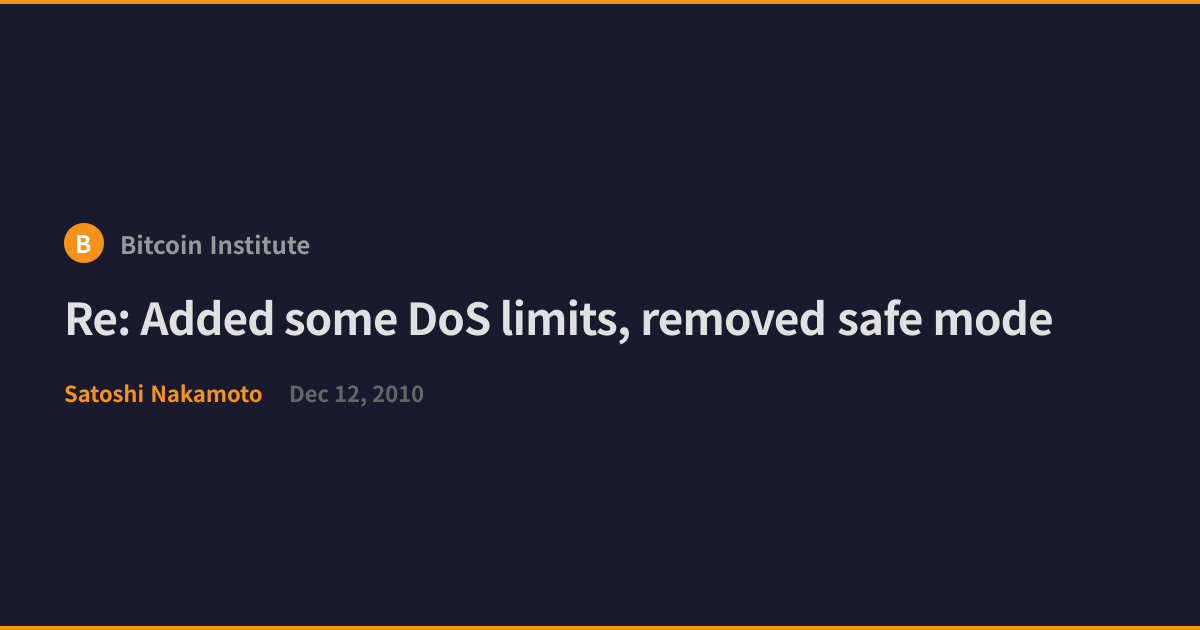
Seven days after Satoshi’s reply, on December 12, 2010, his final public BitcoinTalk post closed on a purely technical note about DoS fixes — no farewell, no mention of stepping back. Private email continued for another four months before he disappeared. Six months after that last public post, in June 2011, WikiLeaks began accepting Bitcoin donations over Satoshi’s earlier objection.
Read against Hearn’s 2025 reflection, the sequence fits his account: a warning against the movement’s loudest voices, a purely technical last post, and a disappearance four months later. The documents record the warning and the departure; the frustration is Hearn’s reading of them. RHorning was one voice among many — BitcoinTalk in 2010-2011 carried a steady stream of voices in the same register (gold-bug, Hayek-purist, anarcho-capitalist, movement-evangelist framings of Bitcoin as a vehicle rather than an experiment). Hearn’s regrets in the same interview — the “Bitcoin Core” naming, the Bitcoin Foundation handling — point to the same pattern: resistance to turning an experiment into a movement.