
WikiLeaks now accepts anonymous Bitcoin donations on 1HB5XMLmzFVj8ALj6mfBsbifRoD4miY36v
This came after a financial blockade. On Sunday, November 28, 2010, WikiLeaks began publishing 251,287 leaked US embassy cables, the communications between 274 embassies and the State Department in Washington, in what became the CableGate scandal. On December 3, PayPal permanently restricted the account WikiLeaks used, saying it had violated a policy against using its service for activities that encourage, promote, facilitate or instruct others to engage in illegal activity. Bank of America, Visa, MasterCard, and Western Union also blocked donations to the organization, cutting off an estimated 95% of its revenue.
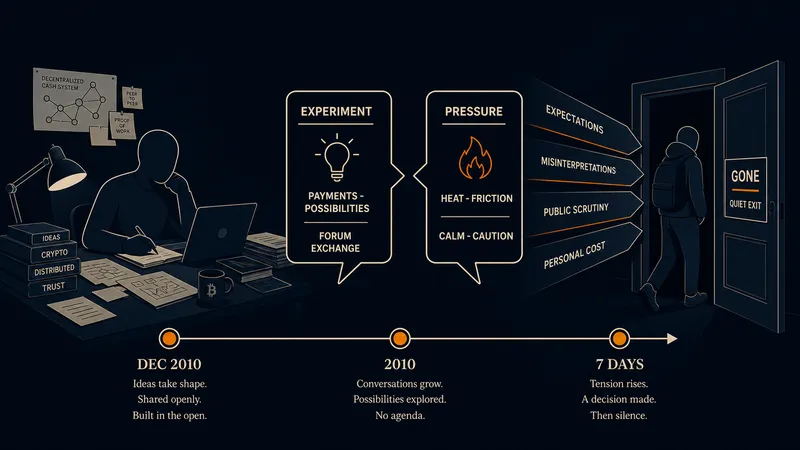
Six months earlier, Satoshi Nakamoto had warned the community against WikiLeaks adopting Bitcoin:
Satoshi Nakamoto (BitcoinTalk post, December 05, 2010, 9:08:08 AM UTC)The project needs to grow gradually so the software can be strengthened along the way. I make this appeal to WikiLeaks not to try to use Bitcoin.
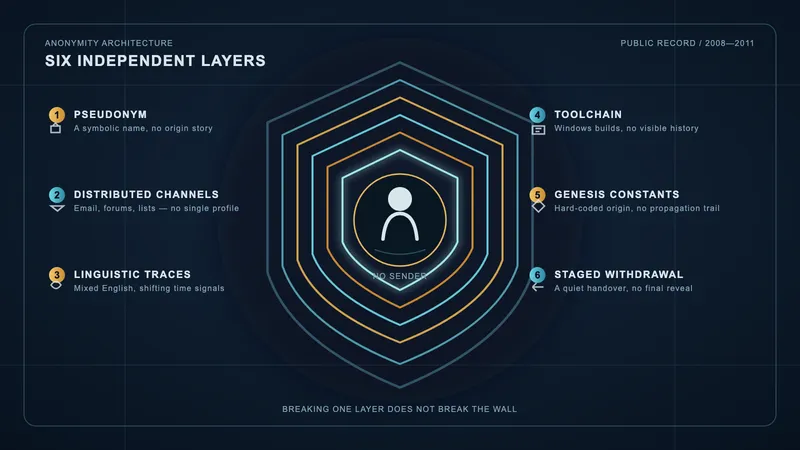
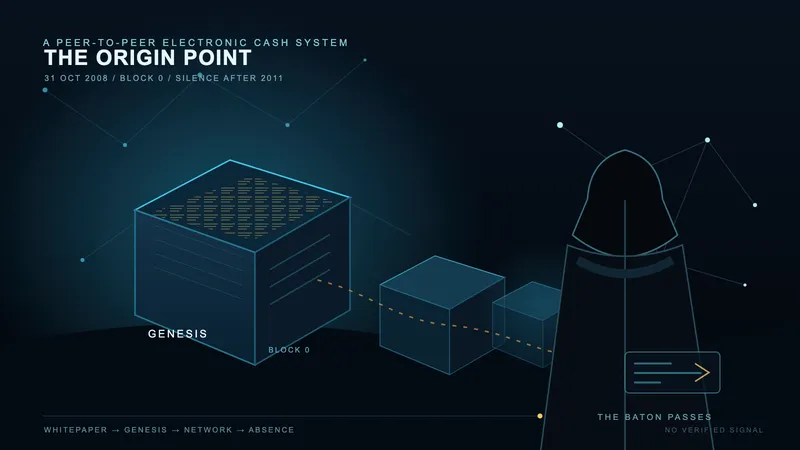
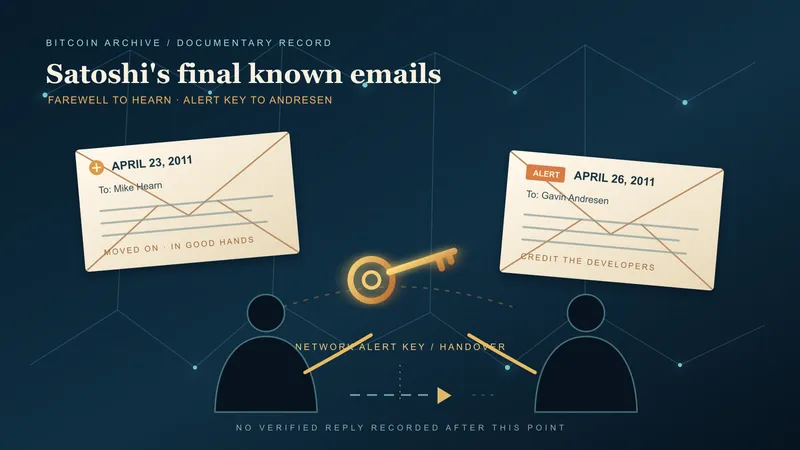
WikiLeaks did not announce Bitcoin donations until two months after Satoshi’s final departure. This December 5 objection is also catalogued as a step in Satoshi’s staged withdrawal in the Satoshi anonymity-architecture analysis, and, alongside the “bring it on” thread it grew out of, is read by Mike Hearn’s 2025 retrospective as a primary-source record of exactly the evangelical pressure Hearn says drove Satoshi away.
Bitcoin proved to be WikiLeaks’ lifeline. In November 2016, donations to its public address passed 4,000 BTC. In October 2017, with Bitcoin above $5,700, Julian Assange thanked the blockade’s backers:
Julian Assange (tweet, October 14, 2017, 5:05:46 PM UTC)My deepest thanks to the US government, Senator McCain and Senator Lieberman for pushing Visa, MasterCard, Payal, AmEx, Mooneybookers, et al, into erecting an illegal banking blockade against @WikiLeaks starting in 2010. It caused us to invest in Bitcoin — with > 50000% return.
It was Bitcoin’s first high-profile turn as censorship-resistant money — and it came only after the one person who had asked WikiLeaks to stay away, Satoshi, was no longer around to object.
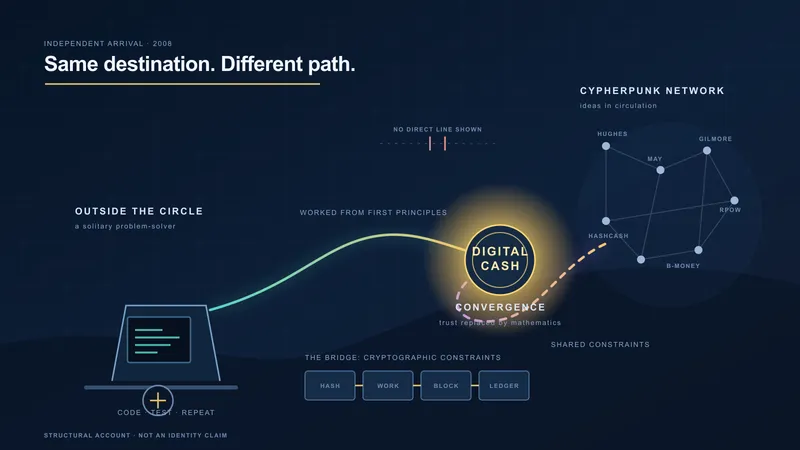
Assange himself had been an early cypherpunks mailing-list participant, posting under the pseudonym “Proff” from December 1995 — a decade before founding WikiLeaks. In a March 2002 post to the list, answering a quoted question about how to keep others from claiming that an event happened in the past when it actually happened in the present, he wrote that you need “a trusted time-notary who will sign or publish hashes of the event in a manner which is hard to undo (e.g in a major news-paper). This is a known art.” Satoshi, by contrast, reached the same movement’s core principles with no documented mailing-list history of his own.