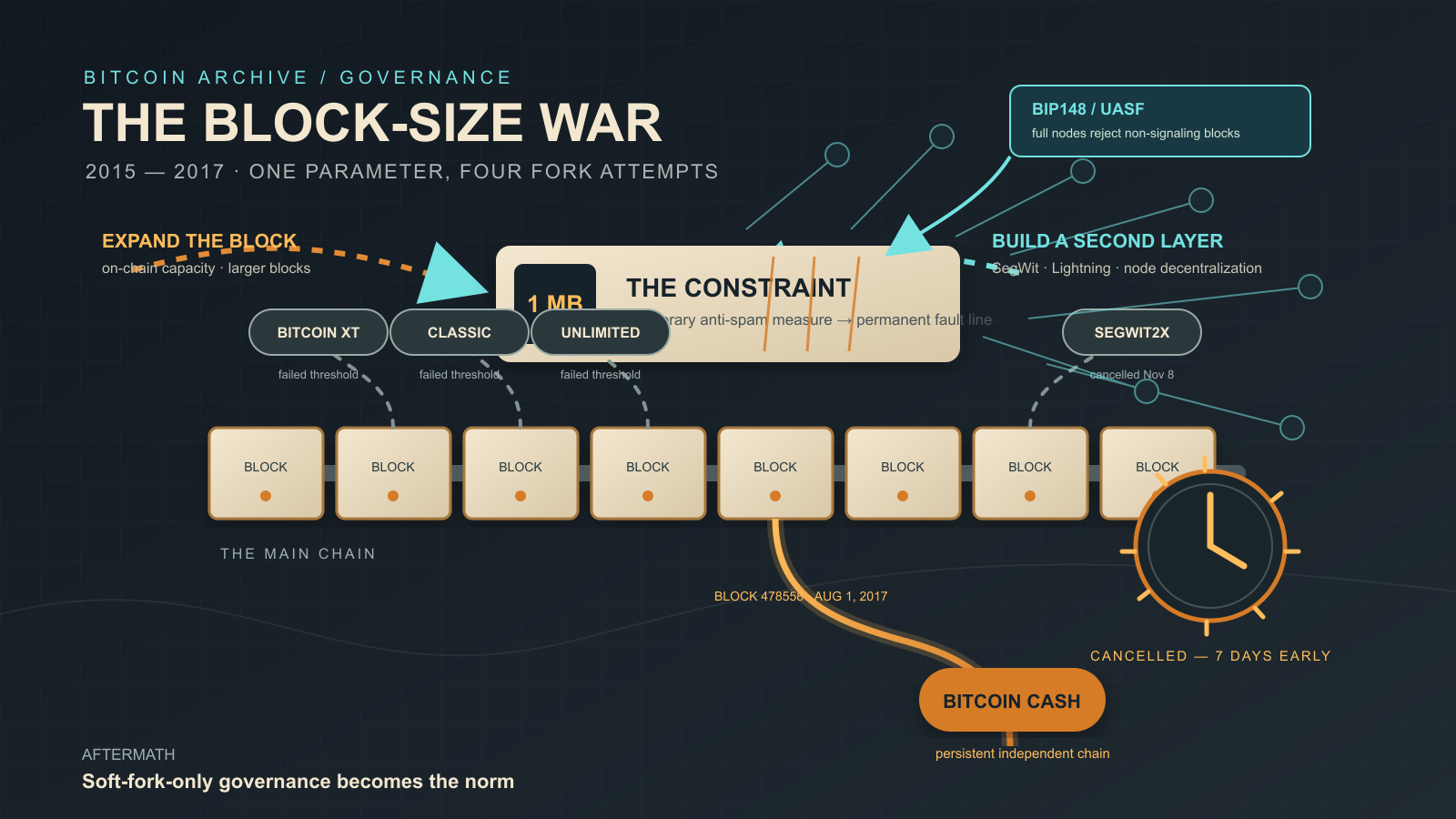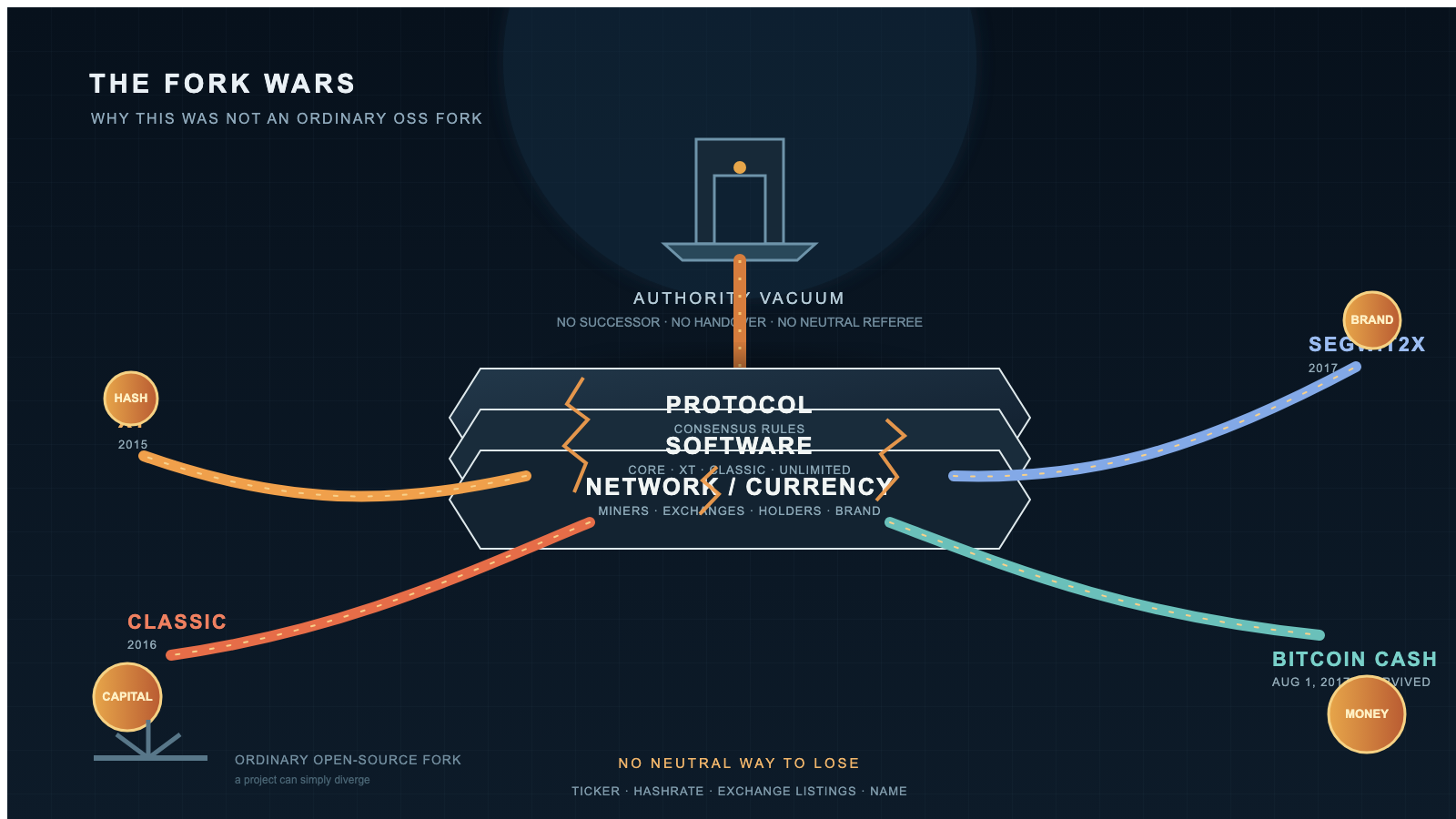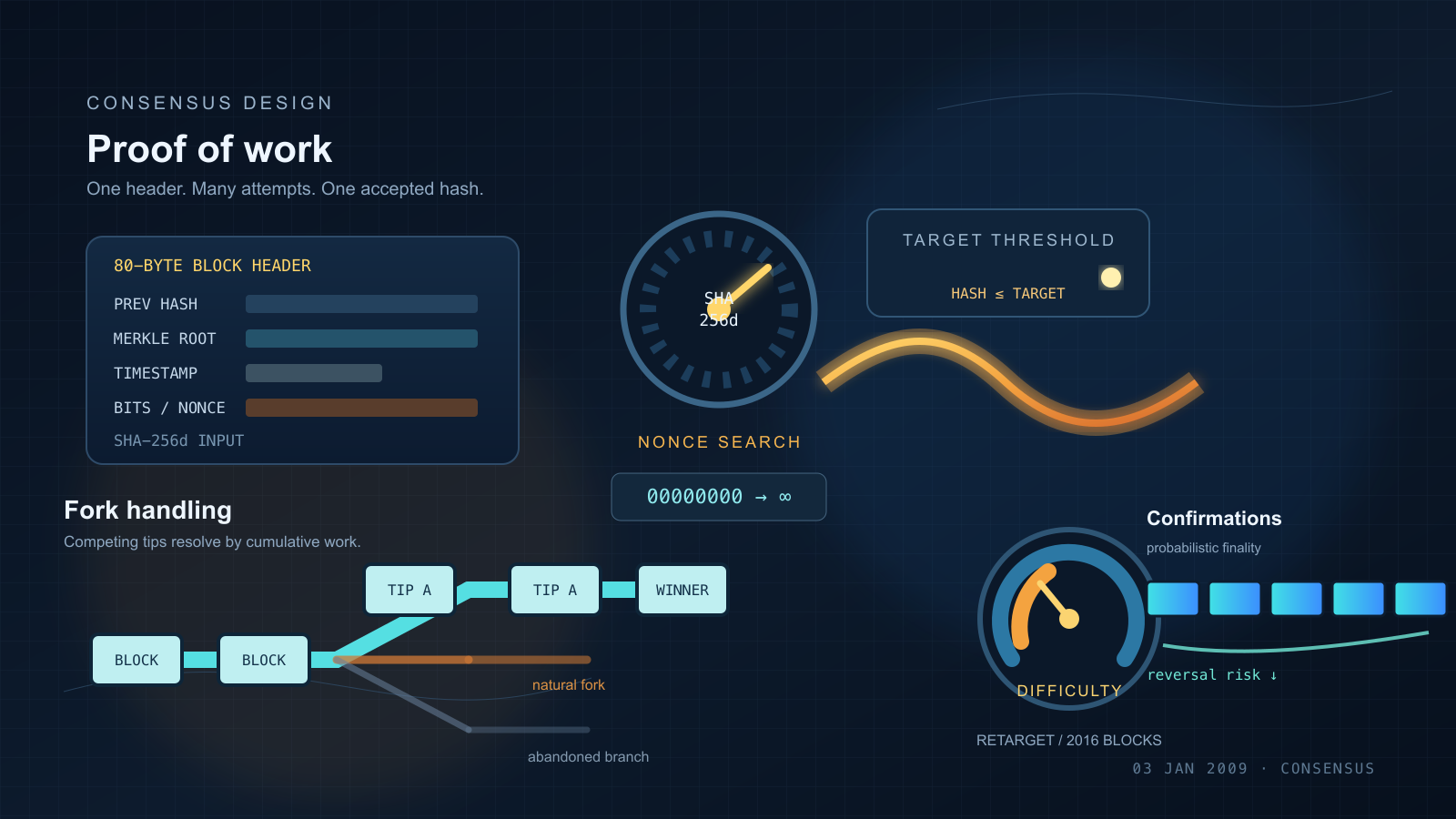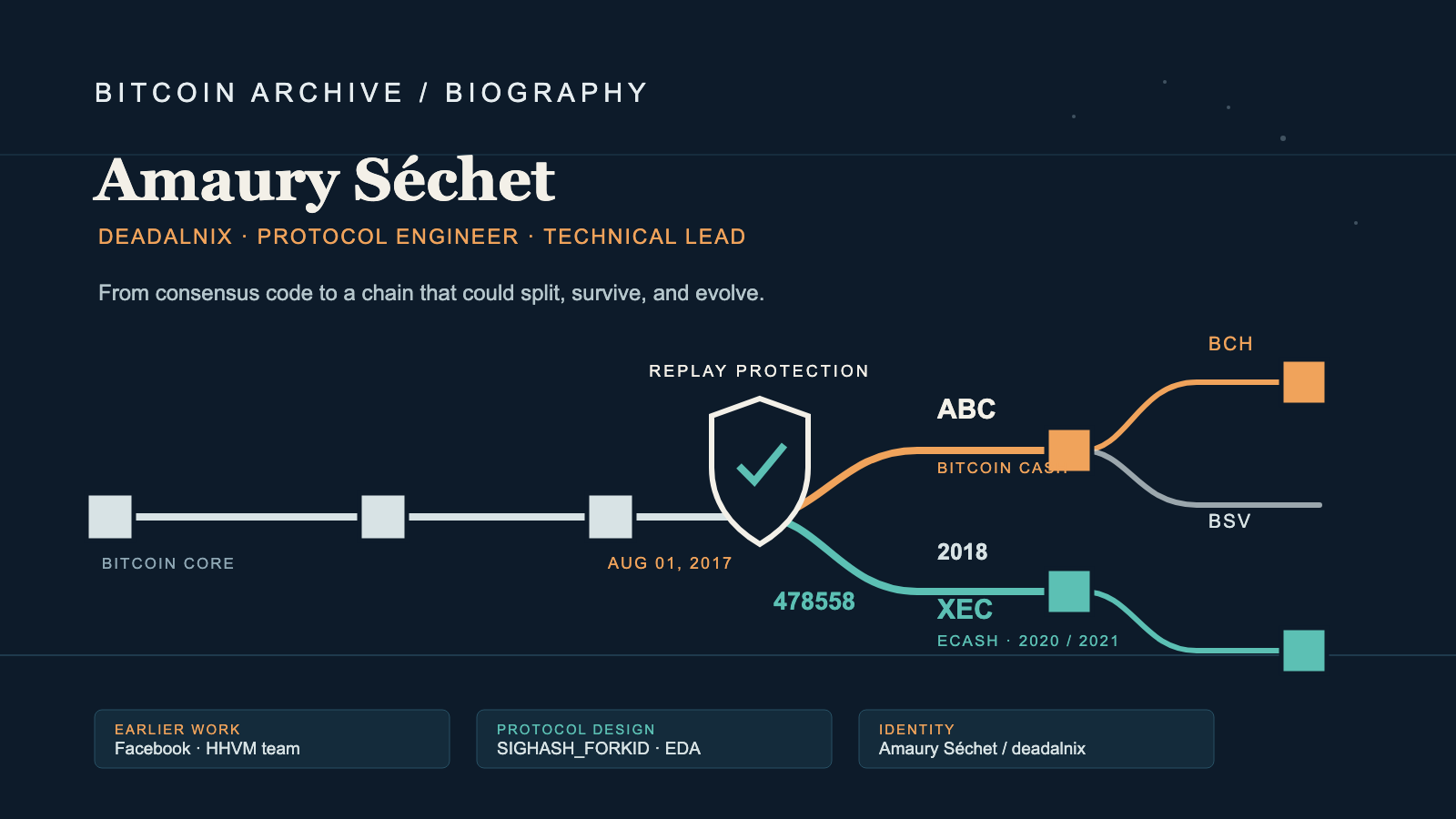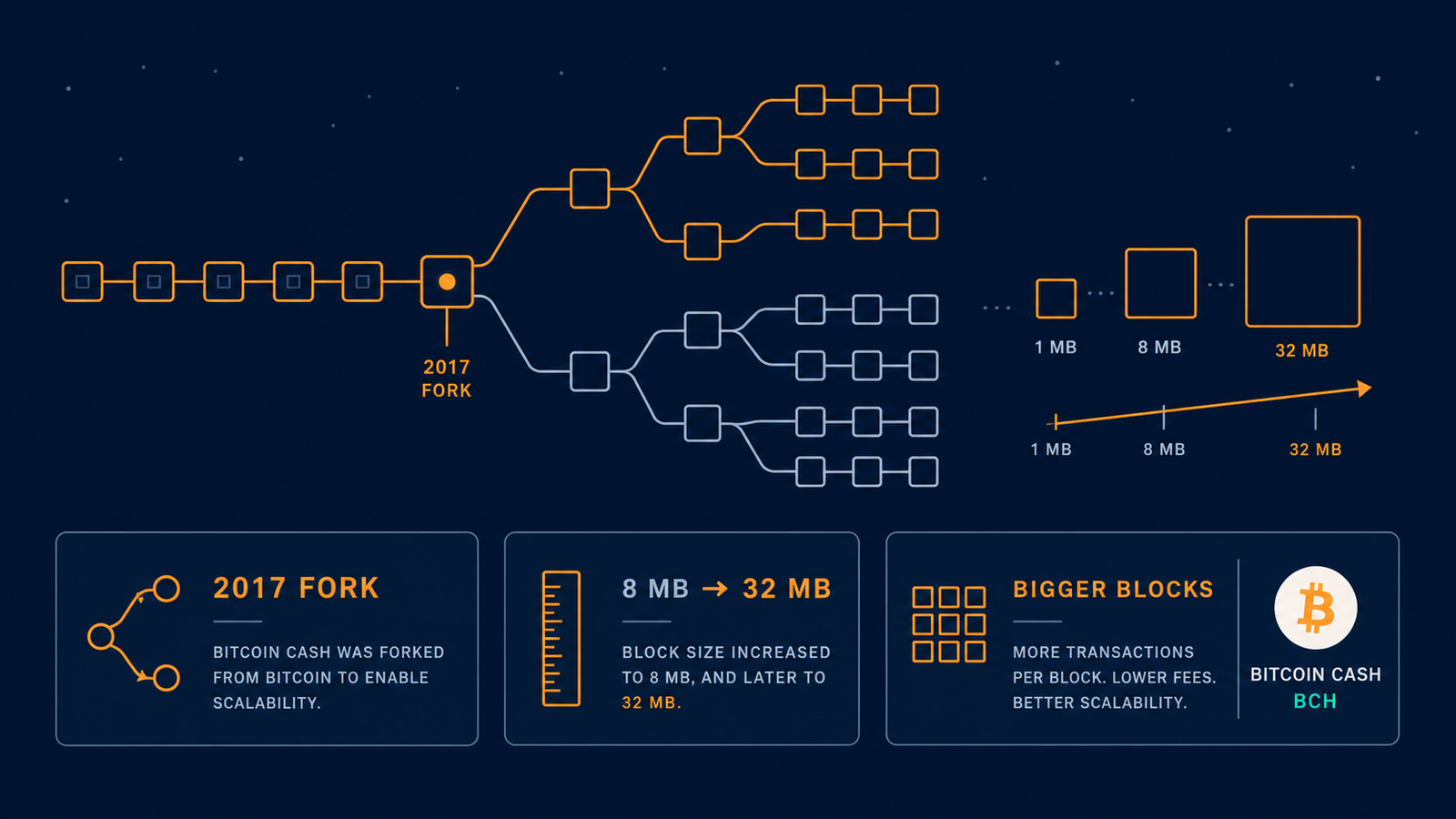
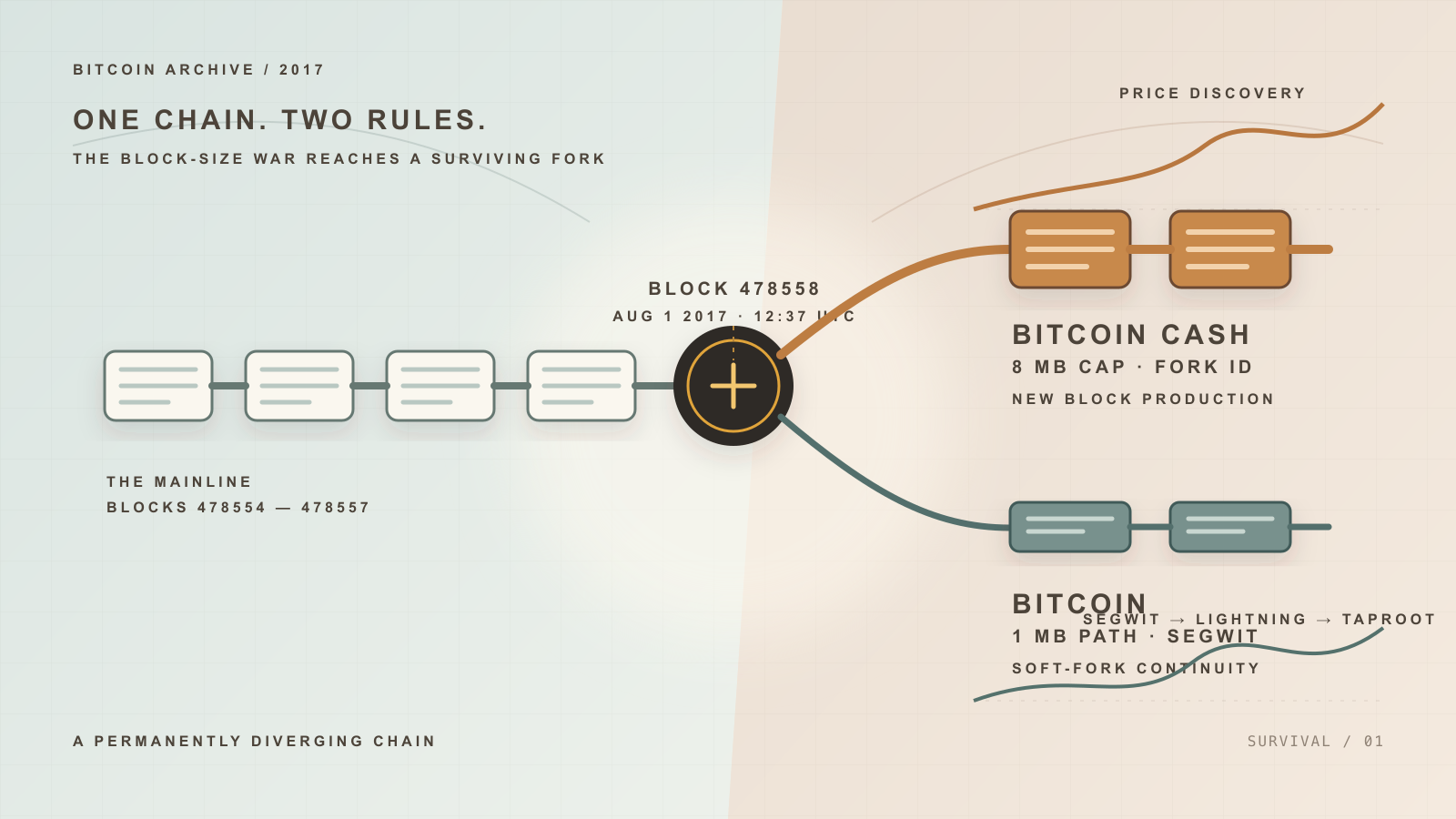
On August 1, 2017, the Bitcoin chain split. At block 478558 — mined by the ViaBTC mining pool at approximately 12:37 UTC — clients running Bitcoin ABC software accepted a block that exceeded the 1 MB size limit, creating a new chain that diverged from the Bitcoin main chain. The new chain was named Bitcoin Cash (BCH). In the classification used by the consensus design page, this is a hard fork: nodes running the old rules rejected the oversized block outright, so the two chains diverged permanently rather than reconciling.
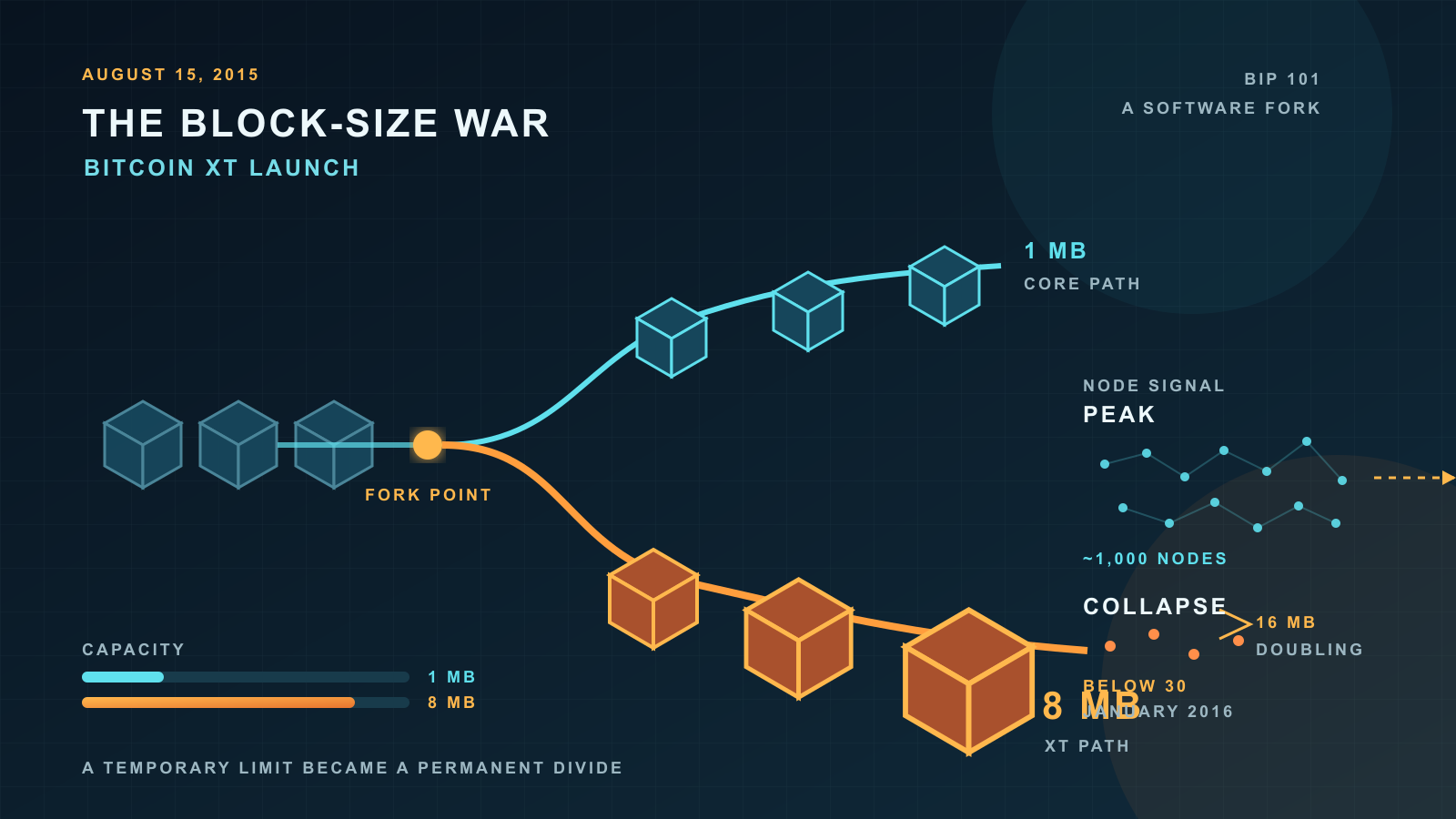
The split was the long-anticipated rupture of the block-size war that had been building since the Bitcoin XT launch in August 2015. After two years of failed activation attempts (XT, Classic, Unlimited), and while the New York Agreement compromise was still under way, the larger-block faction split off into its own chain rather than continuing to contest the main chain.
Bitcoin Cash’s launch parameters:
- Block size: 8 MB initial cap (raised to 32 MB in May 2018)
- SegWit: rejected; the on-chain block size was treated as the only legitimate scaling lever
- Difficulty adjustment: modified Emergency Difficulty Adjustment (EDA) to allow the small new chain to mine blocks despite minority hashrate
- Replay protection: SIGHASH_FORKID flag, so transactions on one chain were not valid on the other
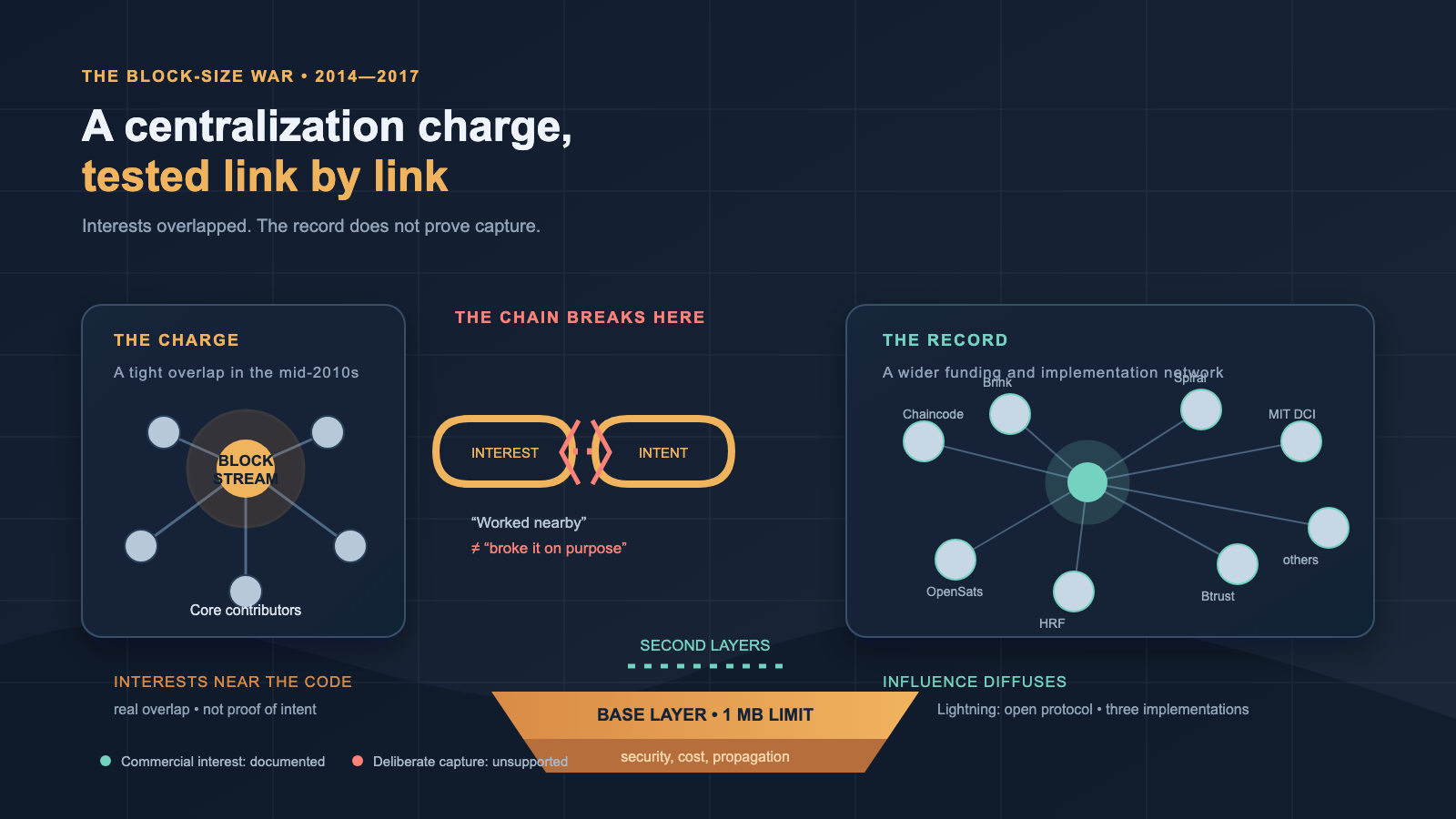
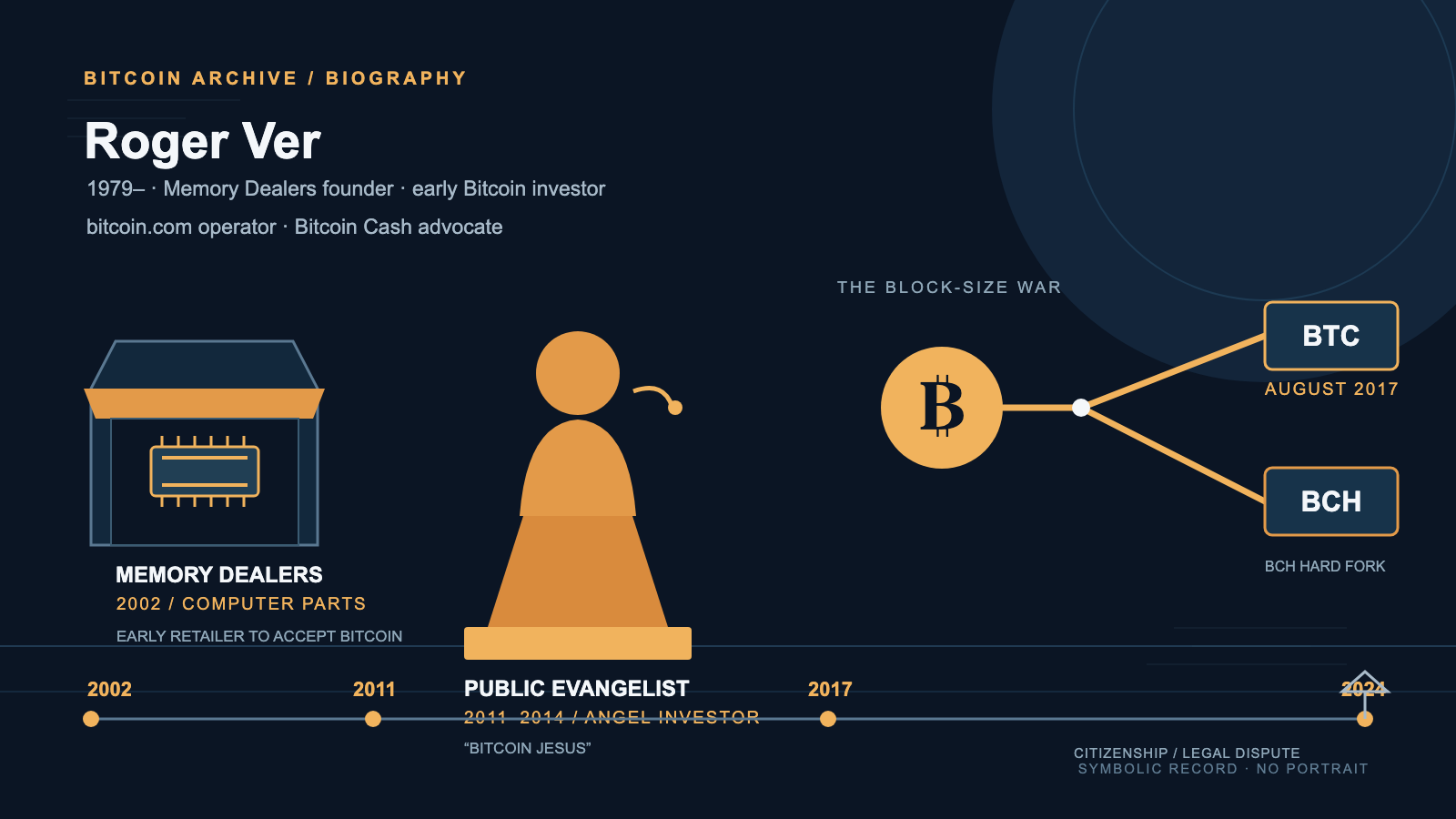
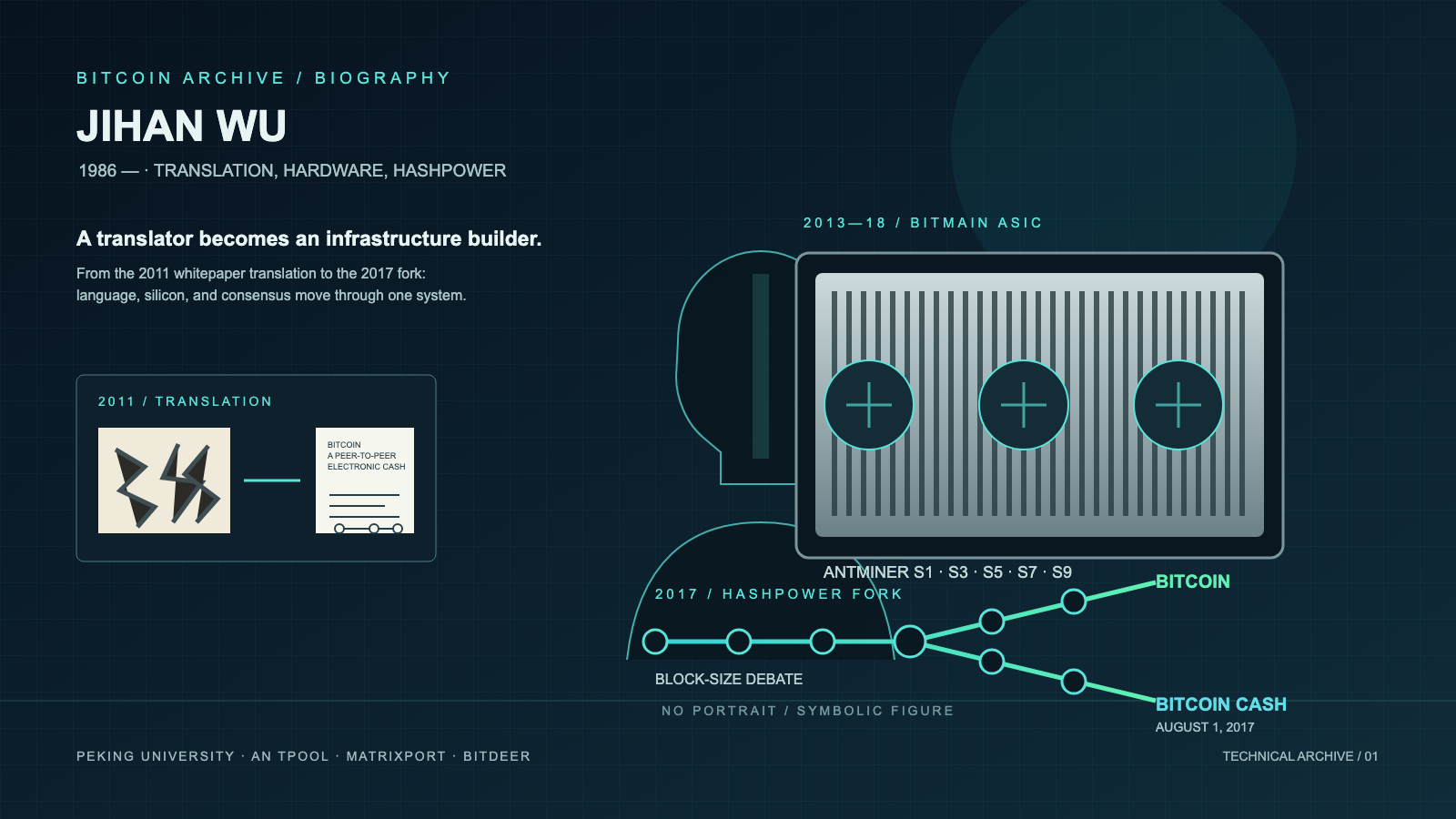
The figureheads behind the BCH launch were Roger Ver (early Bitcoin investor and operator of bitcoin.com), Jihan Wu (co-founder of the Bitmain mining hardware company), and Amaury Séchet (lead developer of Bitcoin ABC). Each contributed to a different layer of the launch — Ver to the public-facing branding, Wu to the mining-pool support, Séchet to the protocol implementation. The Blockstream-centralization analysis names Ver and Wu specifically as parties with their own commercial stake in the large-block side of the same dispute — a “just talking its book” charge it argues cuts both ways.
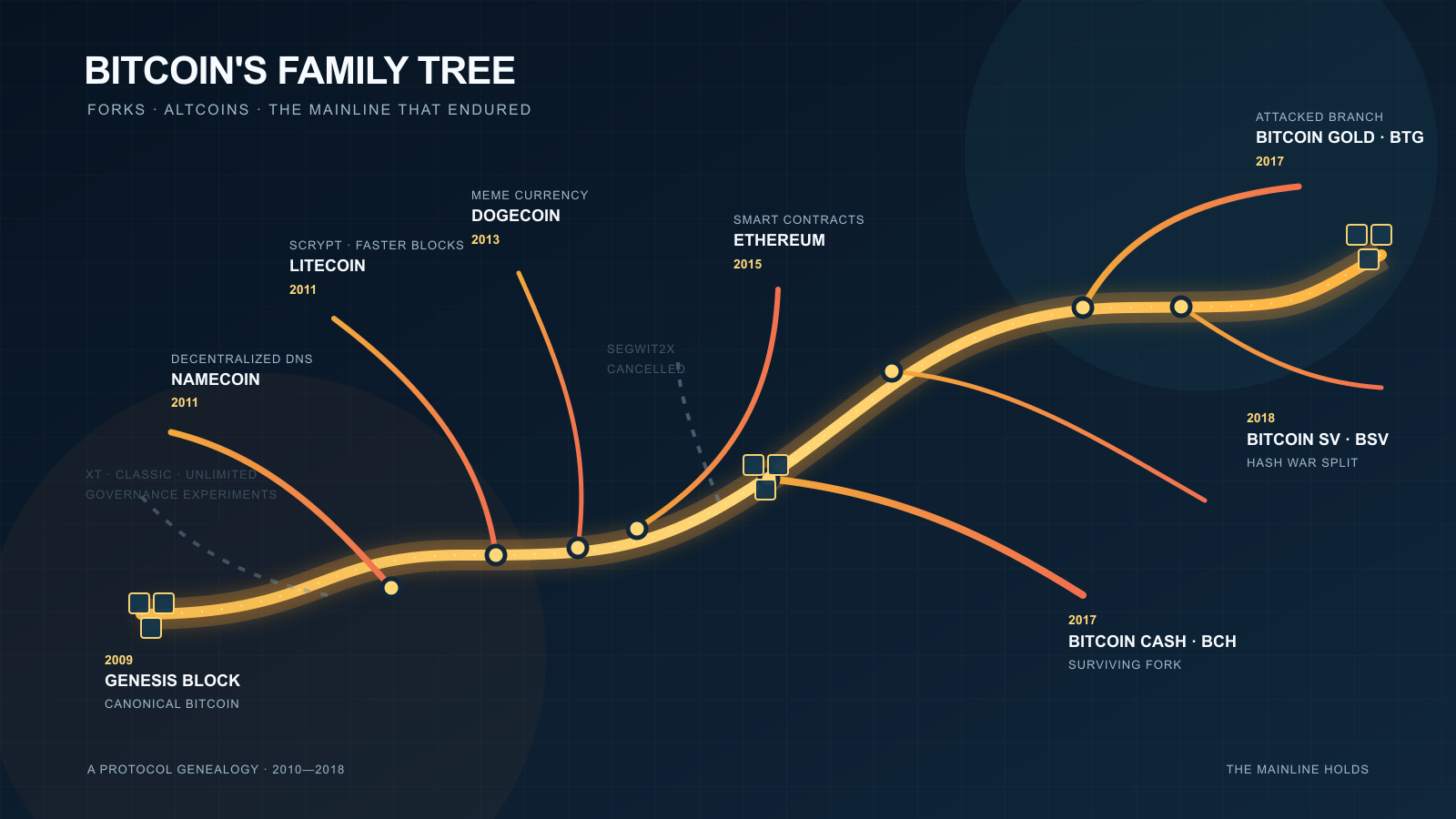
Bitcoin Cash survived the launch event. Within hours of the fork, BCH had its own block production, exchange listings (Bitfinex, ViaBTC, Kraken), and price discovery (~$300 initial trading). Unlike Bitcoin XT, Bitcoin Classic, and Bitcoin Unlimited — all of which collapsed without producing a separate persistent chain — BCH’s deliberate hard-fork approach left a separate network that has continued operating to the present day.
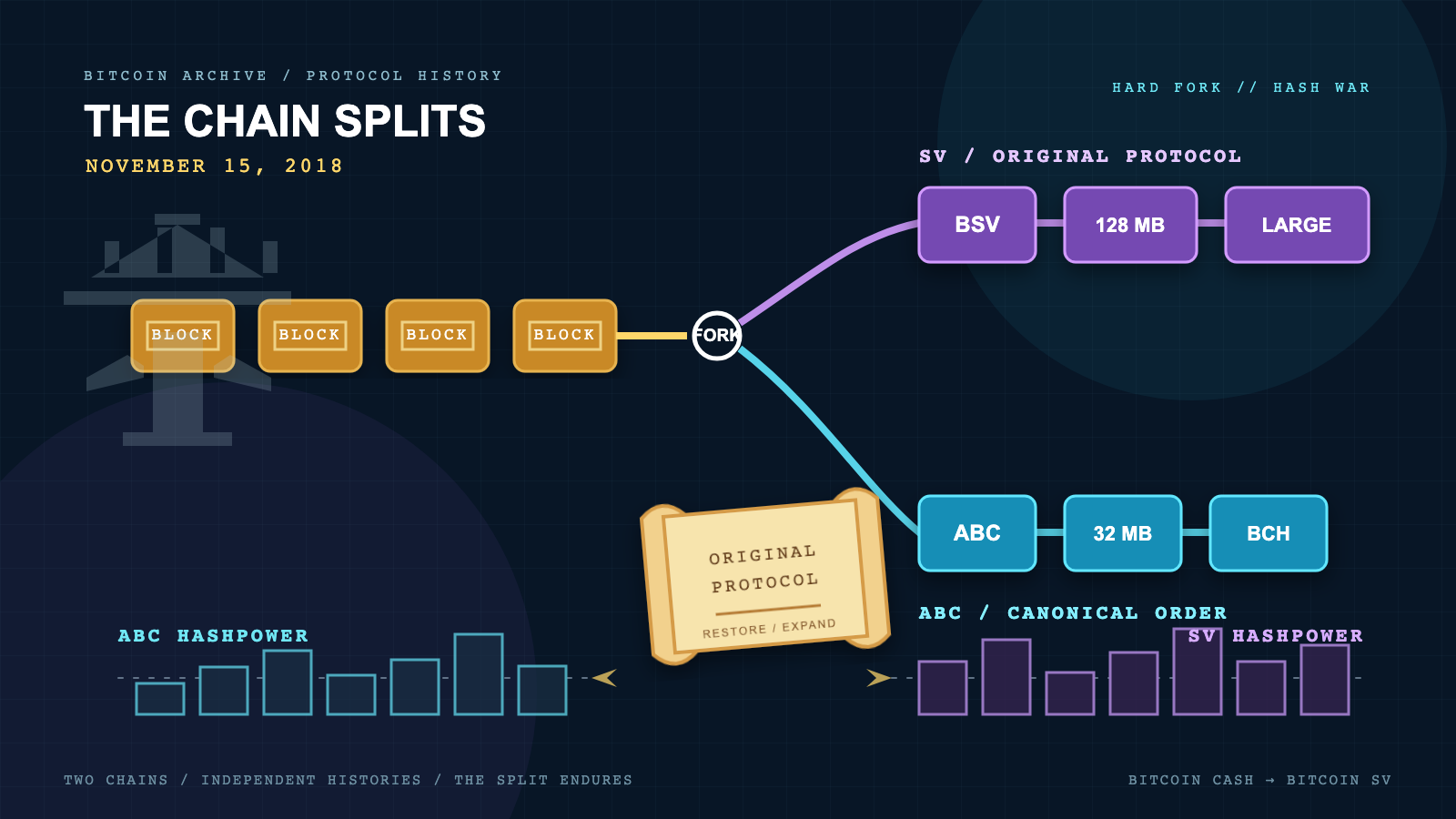
The BCH community itself split a year later. On November 15, 2018, a hash war between the Bitcoin ABC and Bitcoin SV factions produced the Bitcoin SV fork, with the SV chain continuing as a separate network. The original BCH chain has subsequently undergone further protocol changes (Cash Tokens, Adaptive Blocksize Limit Algorithm) but has remained smaller in network share than the main Bitcoin chain throughout.
The August 1, 2017 split is the chronological closure of the block-size war: the disputed parameter (block size) was resolved by chain separation rather than chain consensus. The main chain went on to activate Segregated Witness on August 24, 2017 — three weeks after the BCH fork — and the Lightning Network and later Taproot followed on the main chain’s soft-fork path. The phases, factions, and governance lessons of the 2015–2017 dispute are collated in the block-size war overview; the wider fork-and-altcoin tree is in the Bitcoin family-tree analysis.