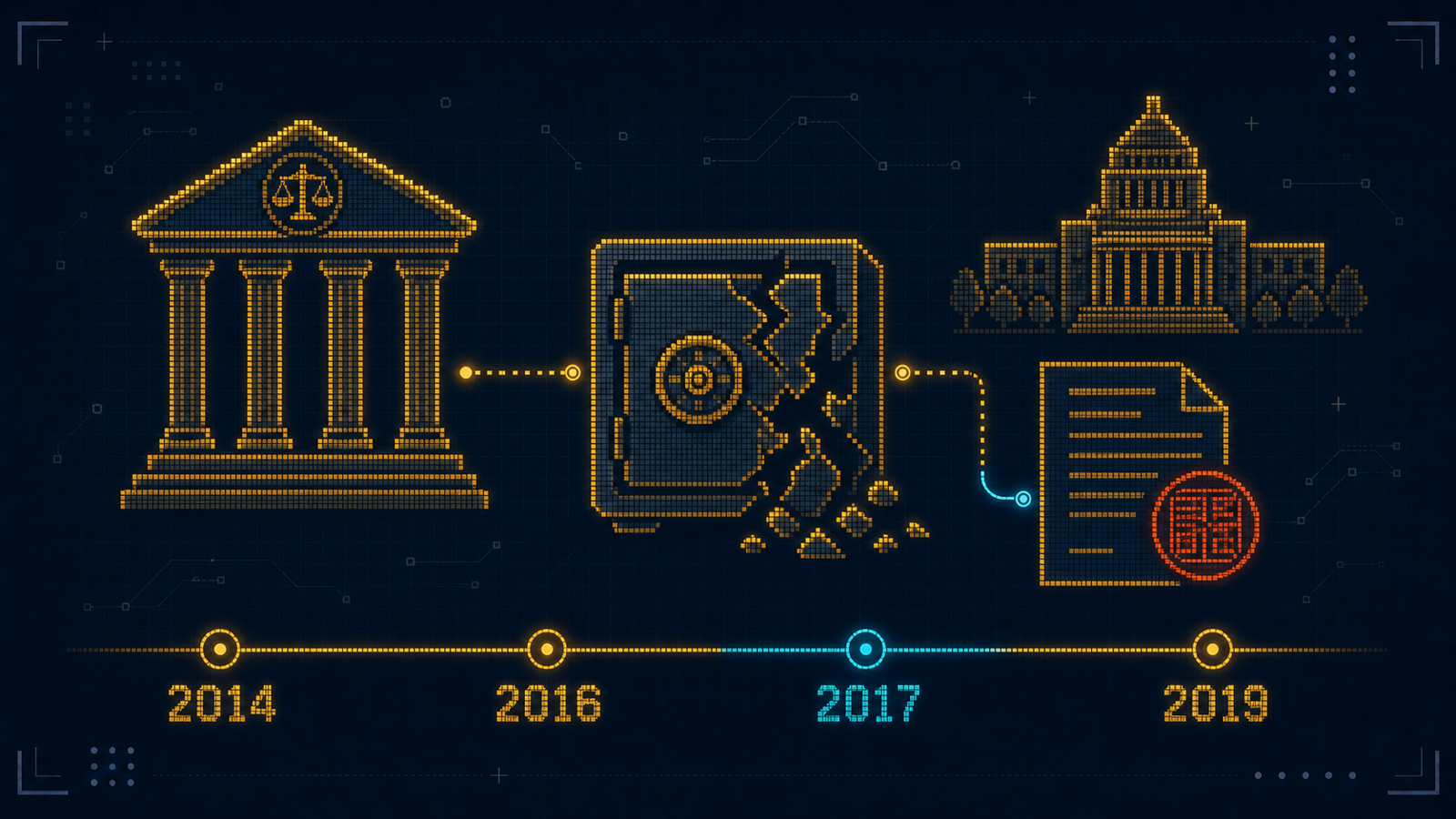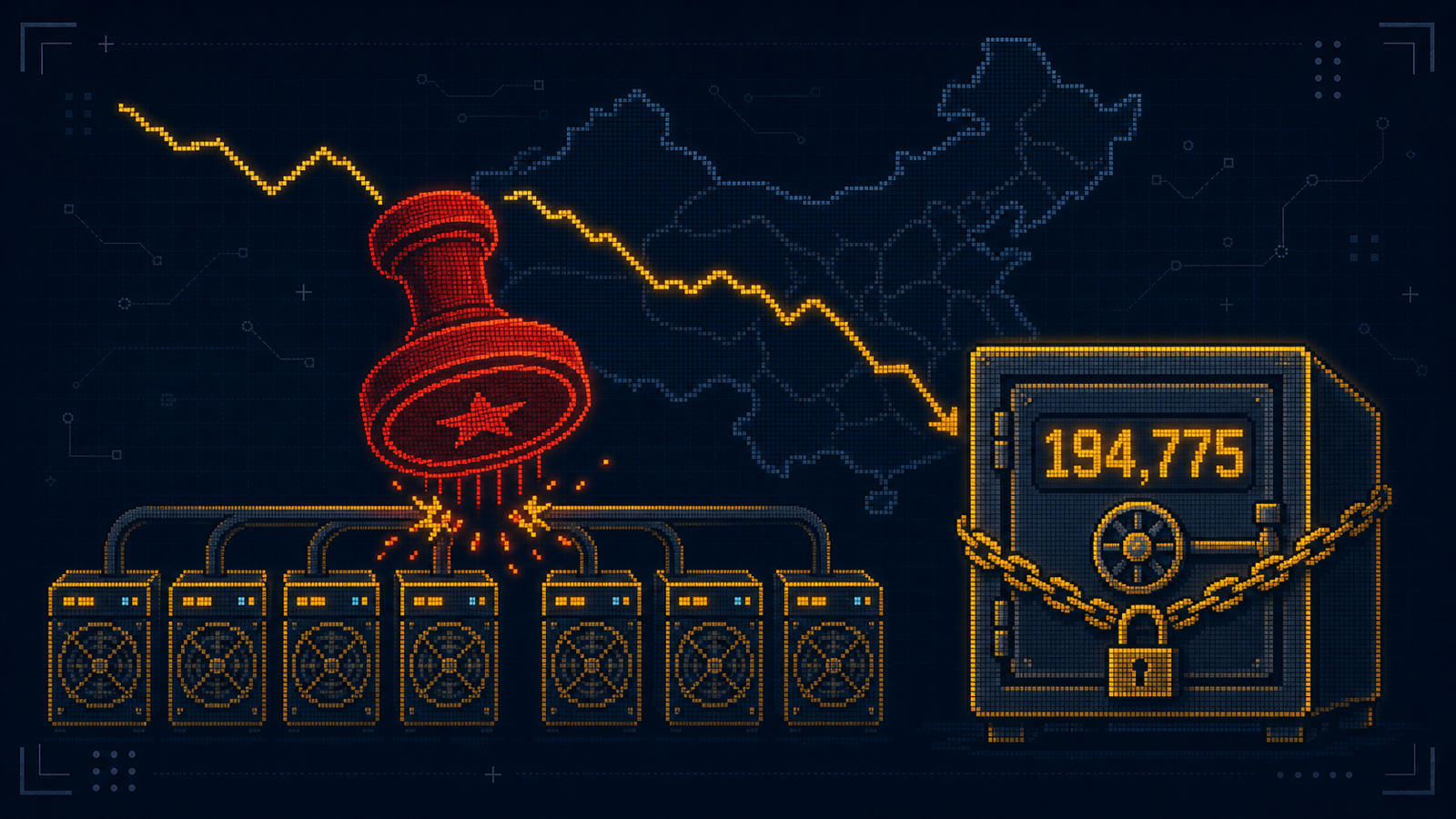
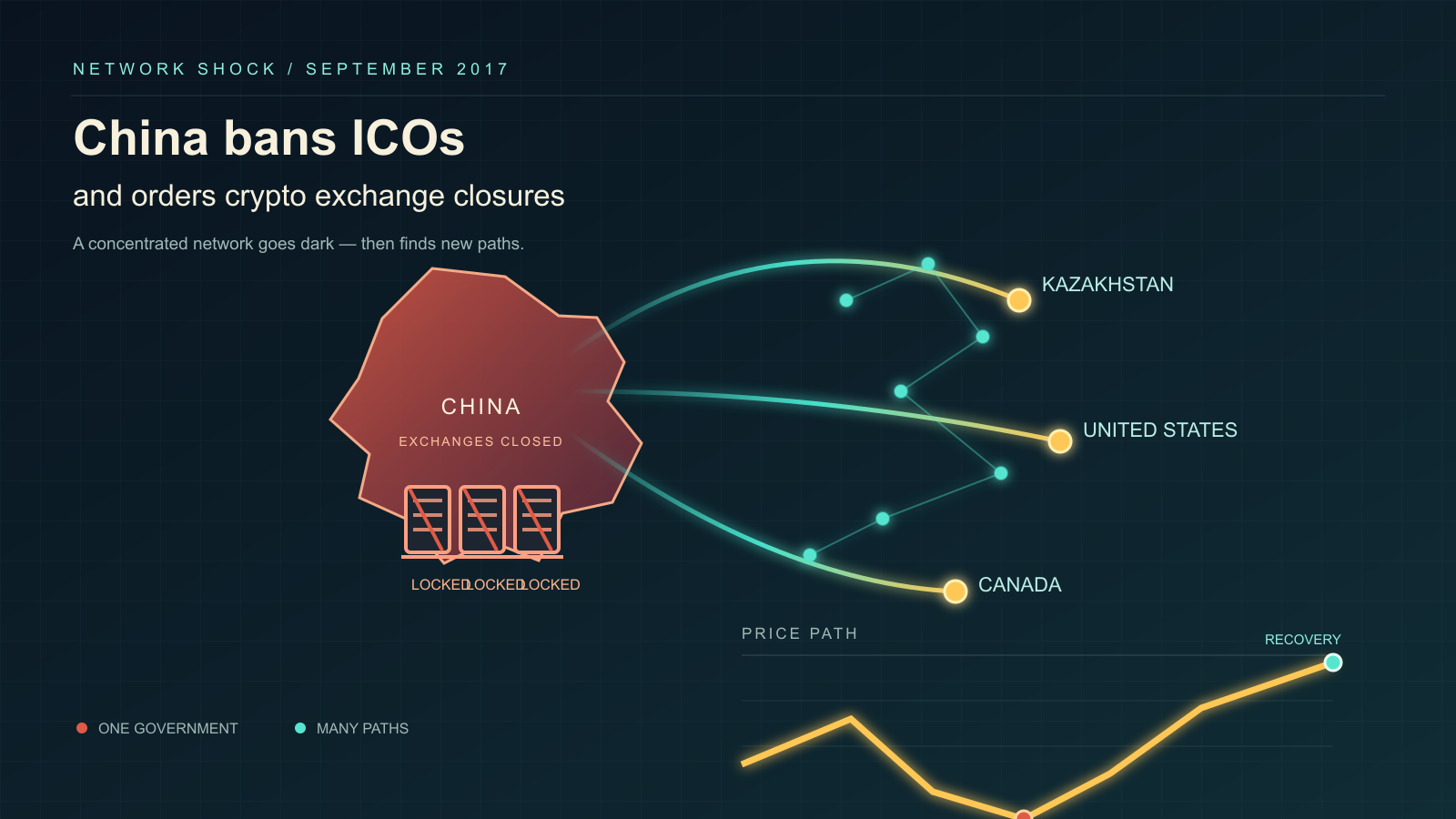
On September 4, 2017, seven Chinese central government regulators — led by the People’s Bank of China (PBOC) — jointly issued the “Announcement on Preventing Financial Risks from Initial Coin Offerings,” effectively banning all ICOs and cryptocurrency exchange operations in China.
ICOs were declared illegal fundraising mechanisms. All funds raised via ICOs were ordered returned to investors. Financial institutions were barred from providing services related to ICO activities. By the end of September 2017, all major domestic cryptocurrency exchanges — including OKCoin, Huobi, and BTC China — had ceased operations.
The impact appeared devastating. China had been the dominant force in Bitcoin: Chinese exchanges handled the majority of global Bitcoin trading volume, and Chinese mining operations controlled a significant share of the network’s hash rate. Bitcoin’s price dropped sharply on the news.
Yet Bitcoin survived. Trading shifted to international exchanges and decentralized platforms. Within months, Bitcoin’s price had recovered and reached new highs. The country that had dominated Bitcoin trading had ordered its exchanges closed, and the network kept running — no central point of failure for a government to shut down.
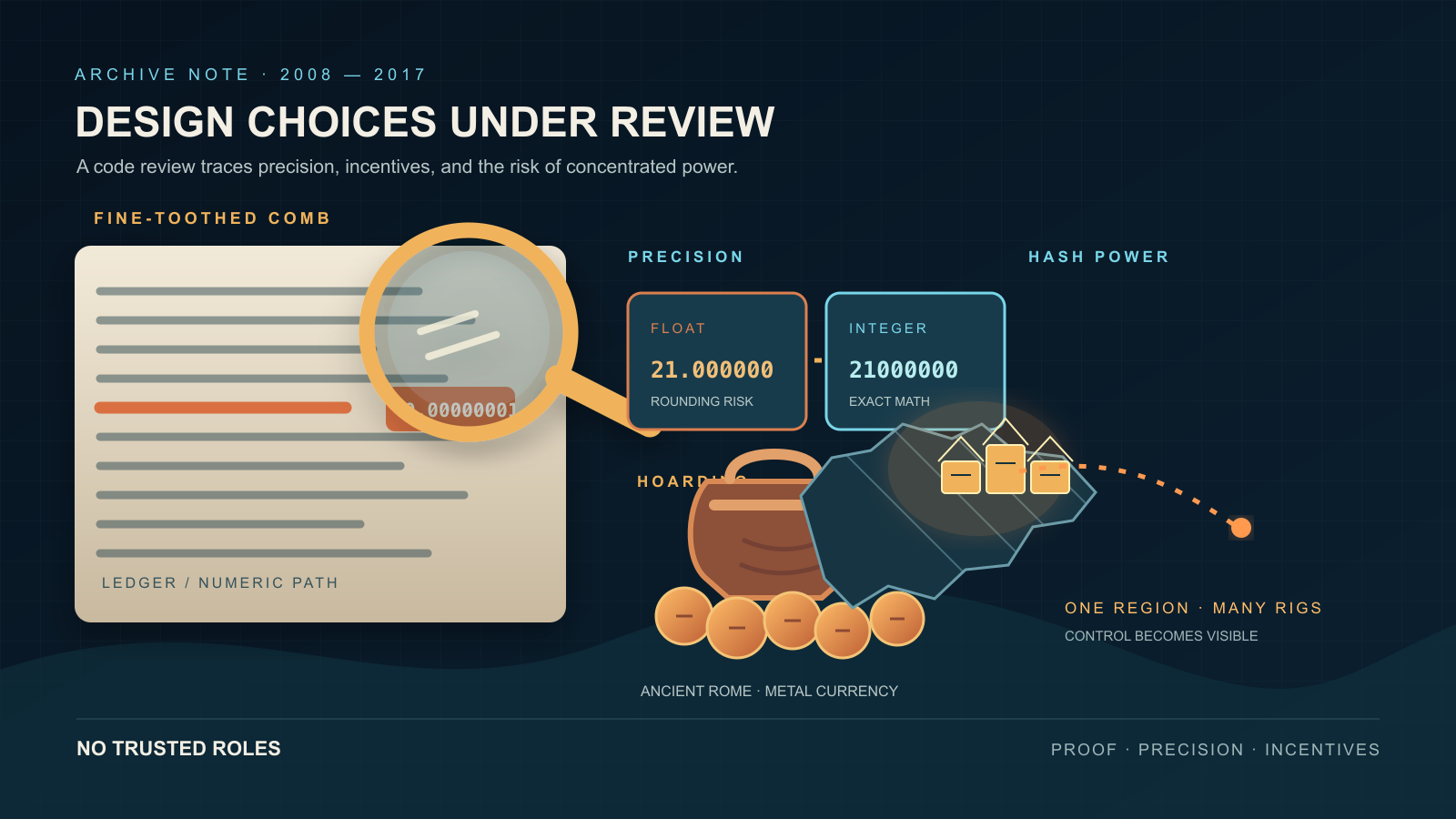
This is the concentration-under-one-government scenario that early Bitcoin code reviewer Ray Dillinger would flag as a design blind spot a year later, in his 2018 interview on Bitcoin’s design — cheap electricity pulling the majority of hashing power into a single country subject to one government’s control.