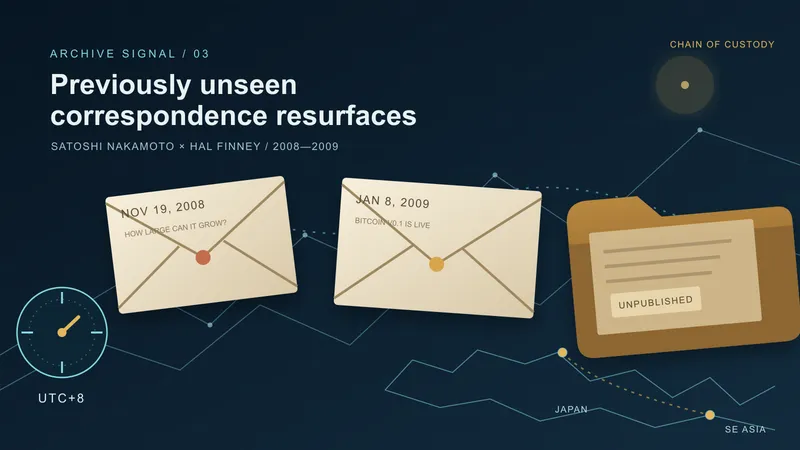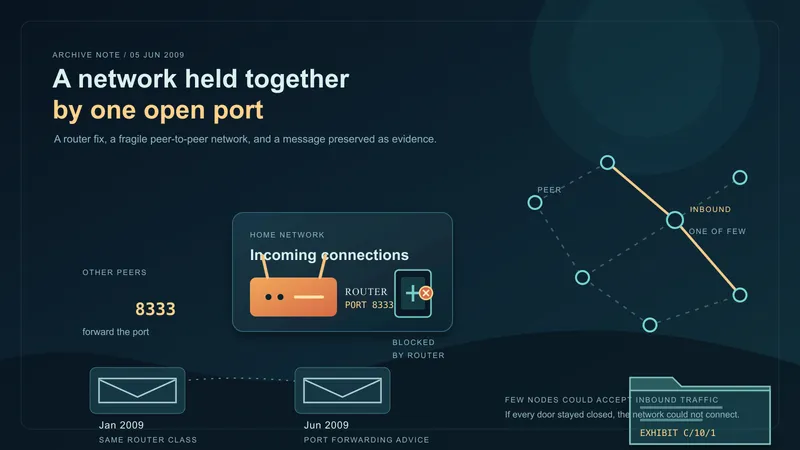

In this email, sent in the earliest days of the Bitcoin network, Satoshi disclosed a technical constraint:
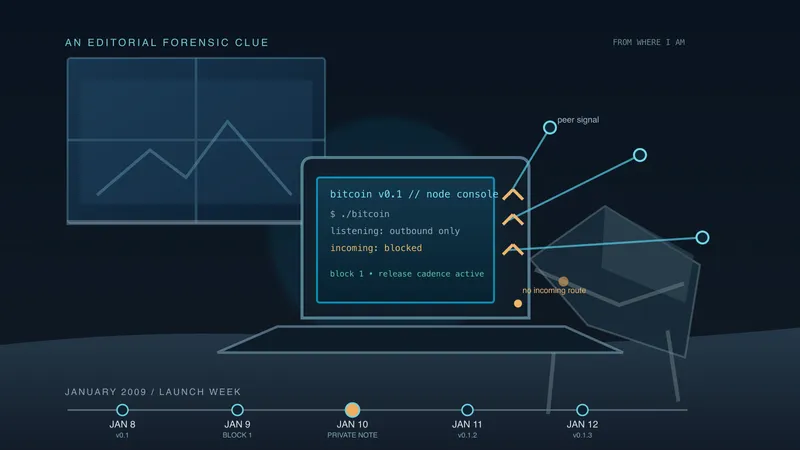
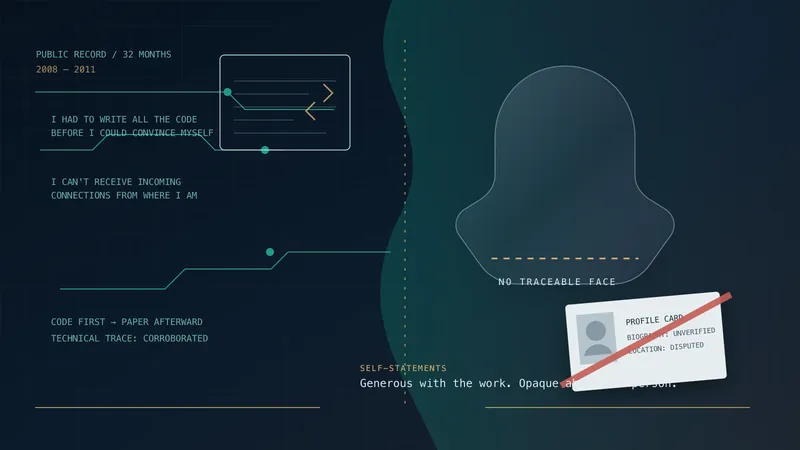
Satoshi Nakamoto (Email to Hal Finney, January 12, 2009)Unfortunately, I can’t receive incoming connections from where I am, which has made things more difficult. Your node receiving incoming connections was the main thing keeping the network going the first day or two.
This admission means that Satoshi’s node could not accept incoming connections, whatever the cause — a firewall, a NAT router, or something else the email does not name — so it depended on outgoing connections to other peers — the same inbound-connectivity chokepoint he would help another user diagnose five months later.
This would have complicated debugging and testing the network in its infancy when there were only a handful of nodes. The phrase “from where I am” is examined more broadly in a forensic reading of Satoshi’s launch-period environment alongside the cadence of his public activity during the launch week.
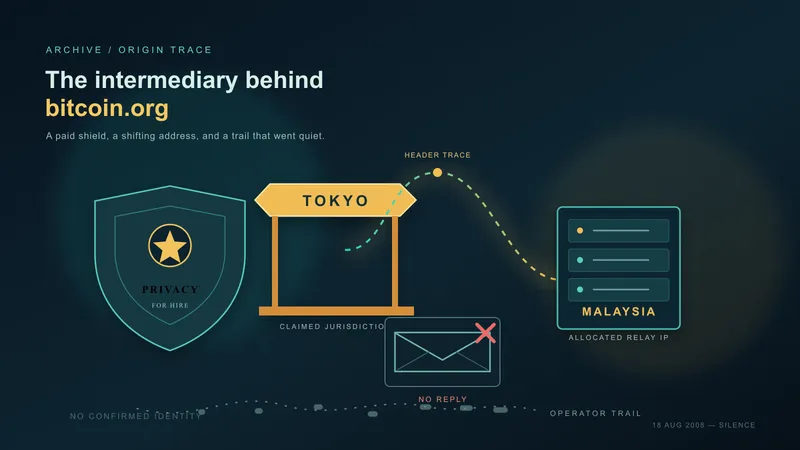
CoinDesk’s coverage of the January 2009 Satoshi-Finney correspondence — the same disclosure that first published this email — reported a timezone eight hours ahead of GMT (UTC+8) in the header data, a reading given for the exchange as a whole rather than drawn from a timestamp published for this particular email. Chain Bulletin journalist Doncho Karaivanov argued that the UTC+8 reading traced to AnonymousSpeech.com’s email relay server, not to Satoshi’s own location: a webmail Date header reflects the server’s clock, not the sender’s. (The service’s own site advertised a Tokyo base “since 1996”; the relay IP in the surviving headers is allocated to a Malaysian hosting provider — a server-side setting either way.)
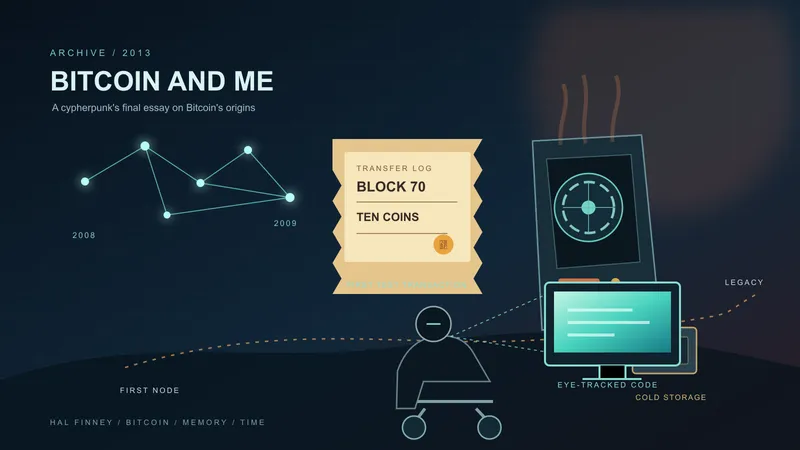
This email is part of the private correspondence recovered from Hal Finney’s personal computer files. Finney described the broader exchange in his “Bitcoin and me” post: “I carried on an email conversation with Satoshi over the next few days, mostly me reporting bugs and him fixing them.” Only three of these private emails have been published; the remainder presumably exist in the files Fran Finney provided to journalist Nathaniel Popper in March 2014.