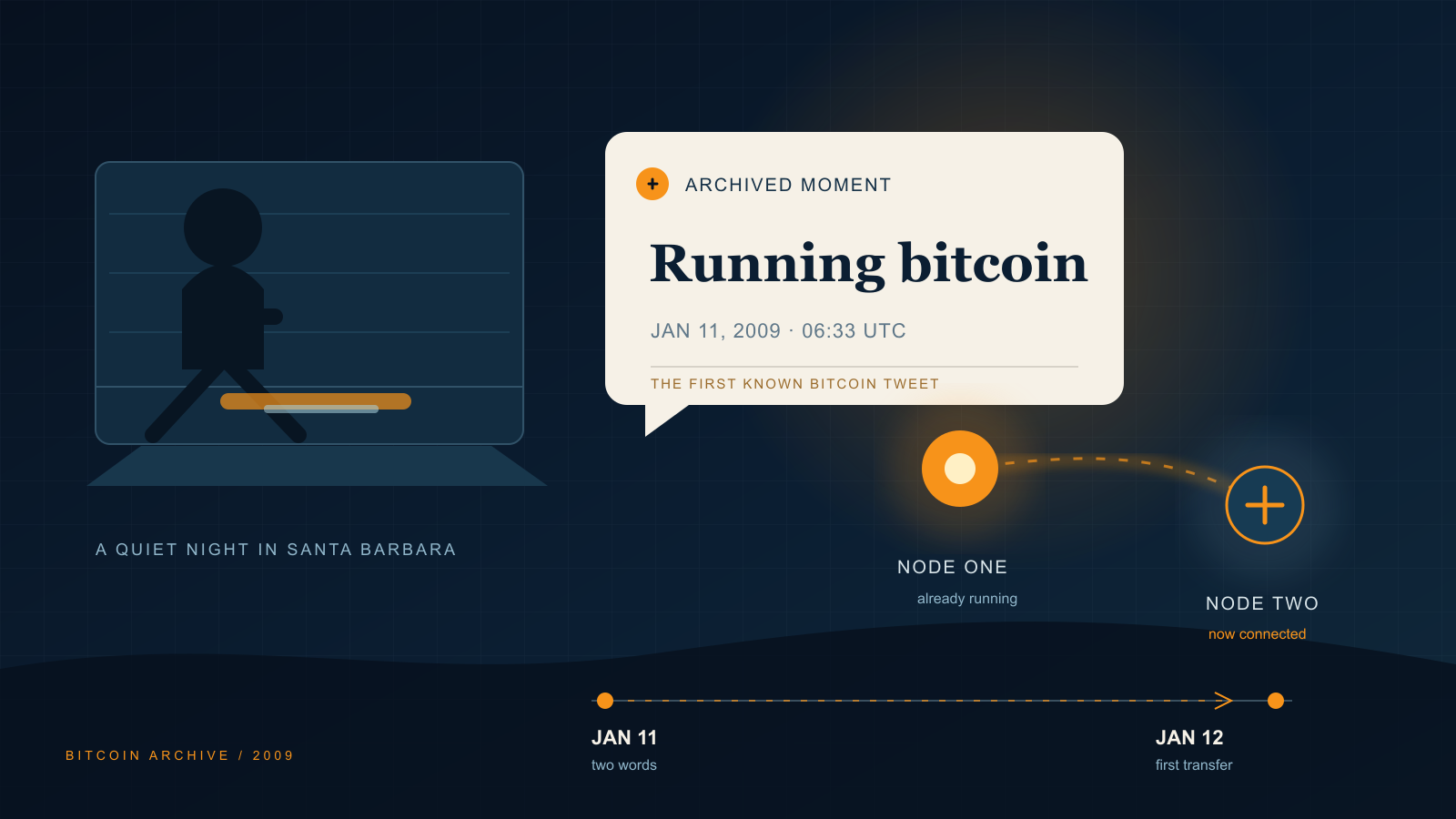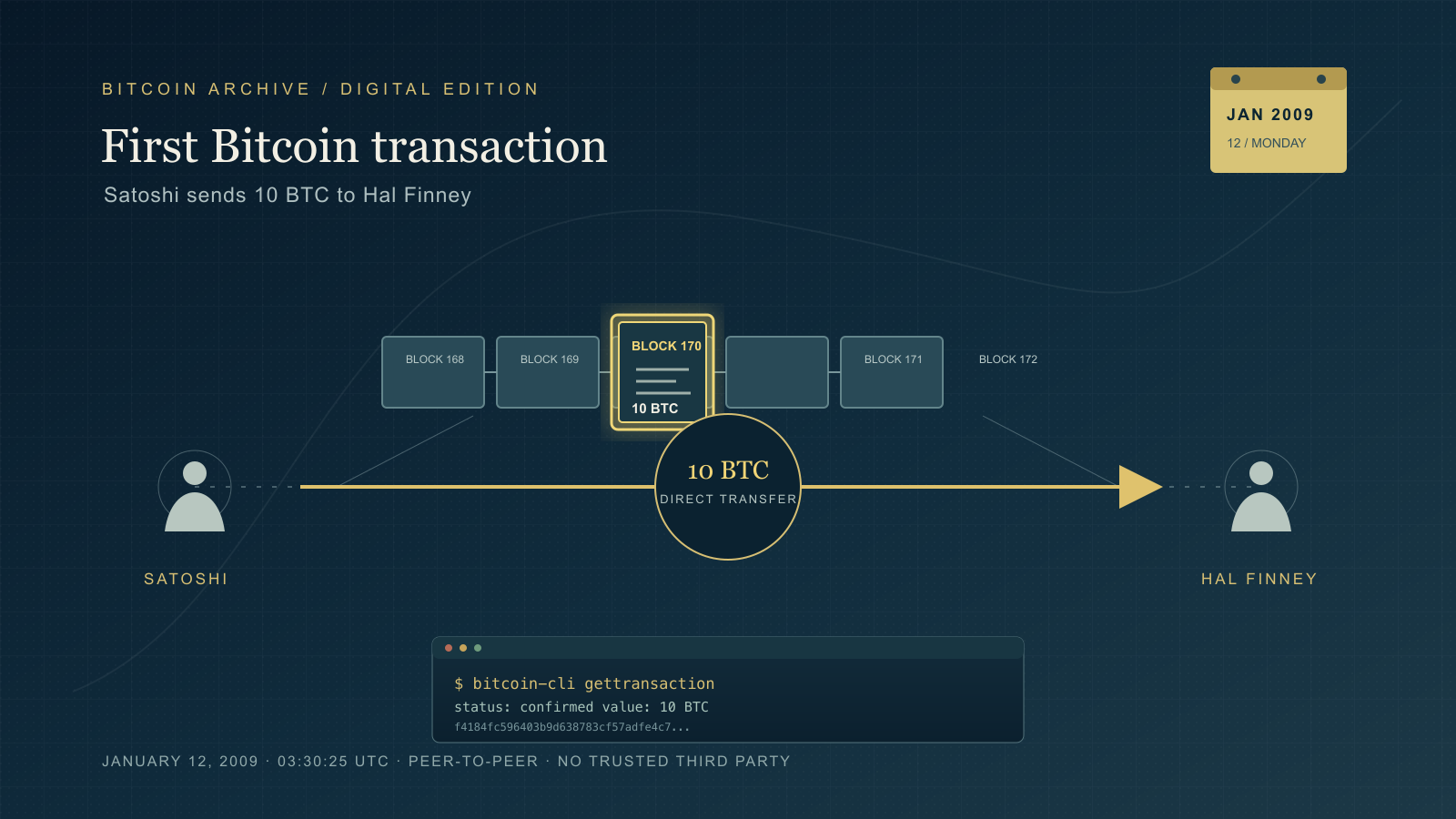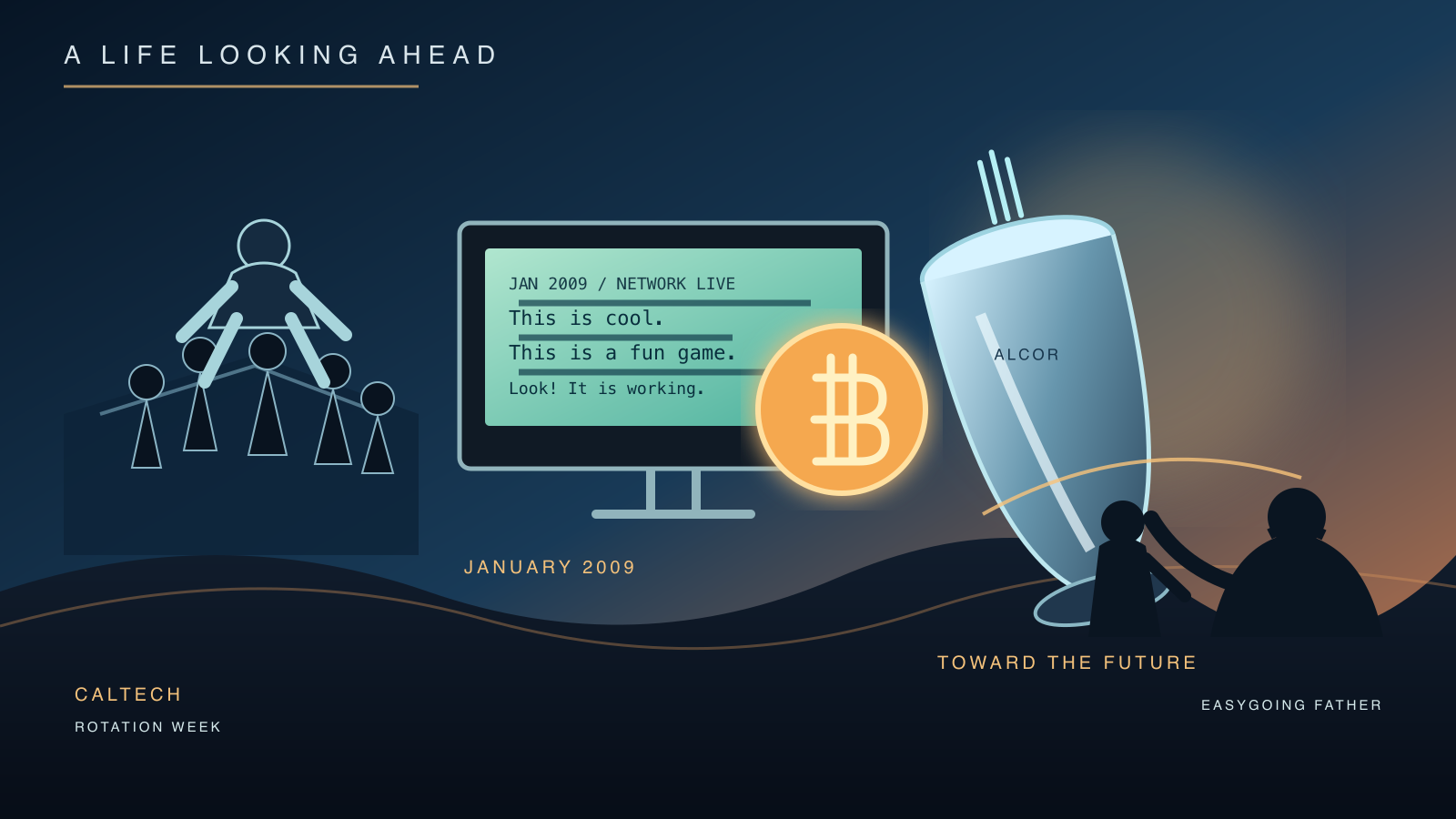
Published on the LessWrong rationalist forum on October 5, 2009, this essay was Hal Finney’s first public statement about his ALS diagnosis, which had been delivered in August 2009. The essay was widely shared in cryonics and life-extension circles at the time of publication and is now read primarily for its place in Finney’s Bitcoin biography: it documents the personal context in which Finney — having announced himself as Bitcoin’s second known operator with his “Running bitcoin” tweet on January 11, 2009, and having become the first known recipient of bitcoins from Satoshi Nakamoto the following day — was now also a patient receiving the slowest-imaginable death sentence.
The essay’s argument. Finney opens with a black joke about how long he has left, then turns serious:
Quote from: Hal Finney on October 05, 2009I have ALS, Amyotrophic Lateral Sclerosis, also known as Lou Gehrig’s disease. ALS destroys the motor neurons that allow control of voluntary muscle movement. The prognosis is for progressive weakness and paralysis, and death within 2 to 5 years, typically from respiratory failure.
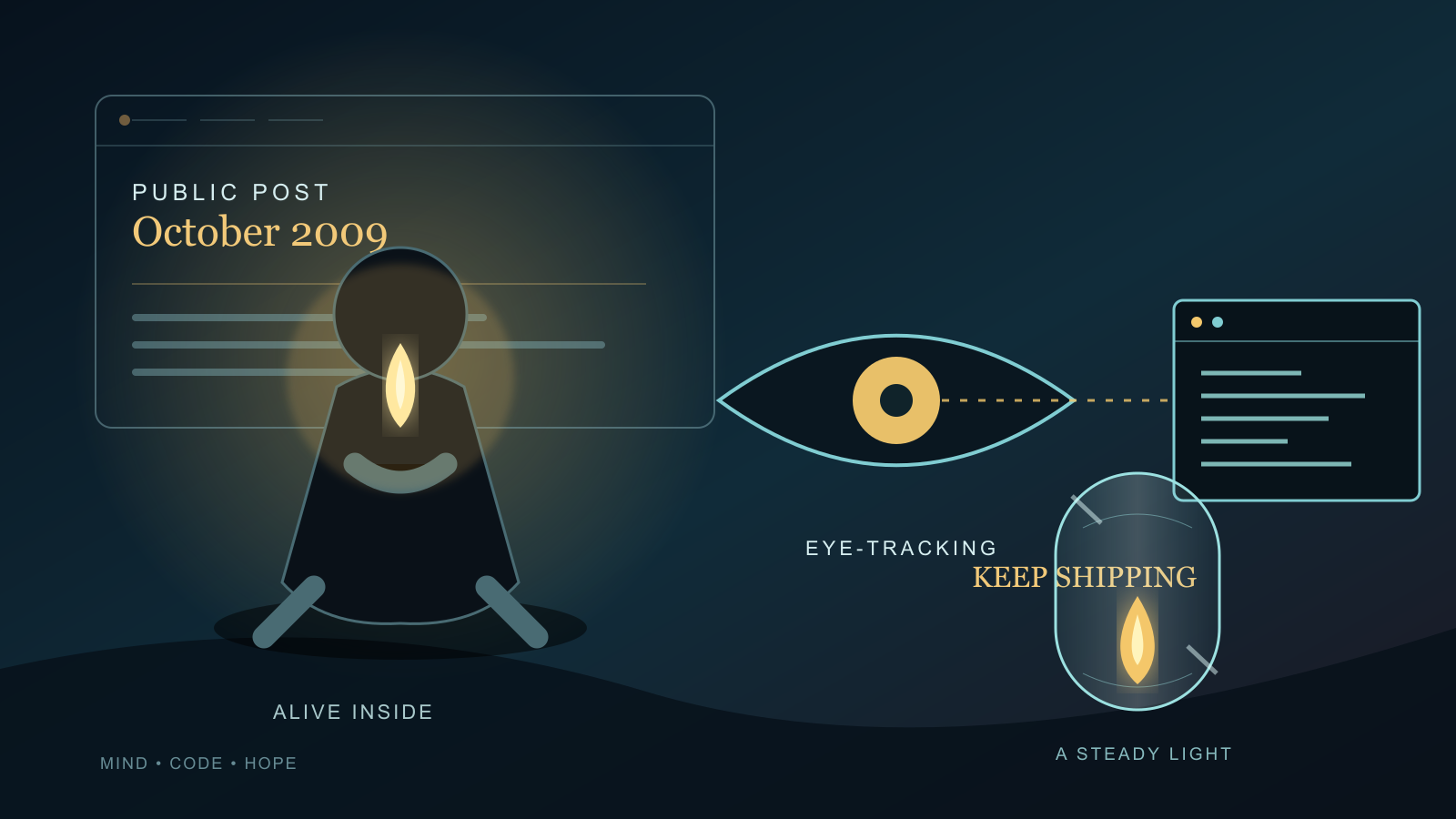
The essay then makes two specific claims that shape the rest of Finney’s life. First, that ALS leaves higher cognition intact — “Even as my body is dying outside, I will remain alive inside.” Second, that the choice of going on a ventilator when respiratory failure arrives is rational despite the >90% of ALS patients who refuse:
Quote from: Hal Finney on October 05, 2009My intent is to go on a ventilator when the time comes. I may even still be able to write code, and my dream is to contribute to open source software projects even from within an immobile body. That will be a life very much worth living.
This second commitment is the load-bearing one. The essay is not a farewell — it is a declaration of intent to keep contributing.
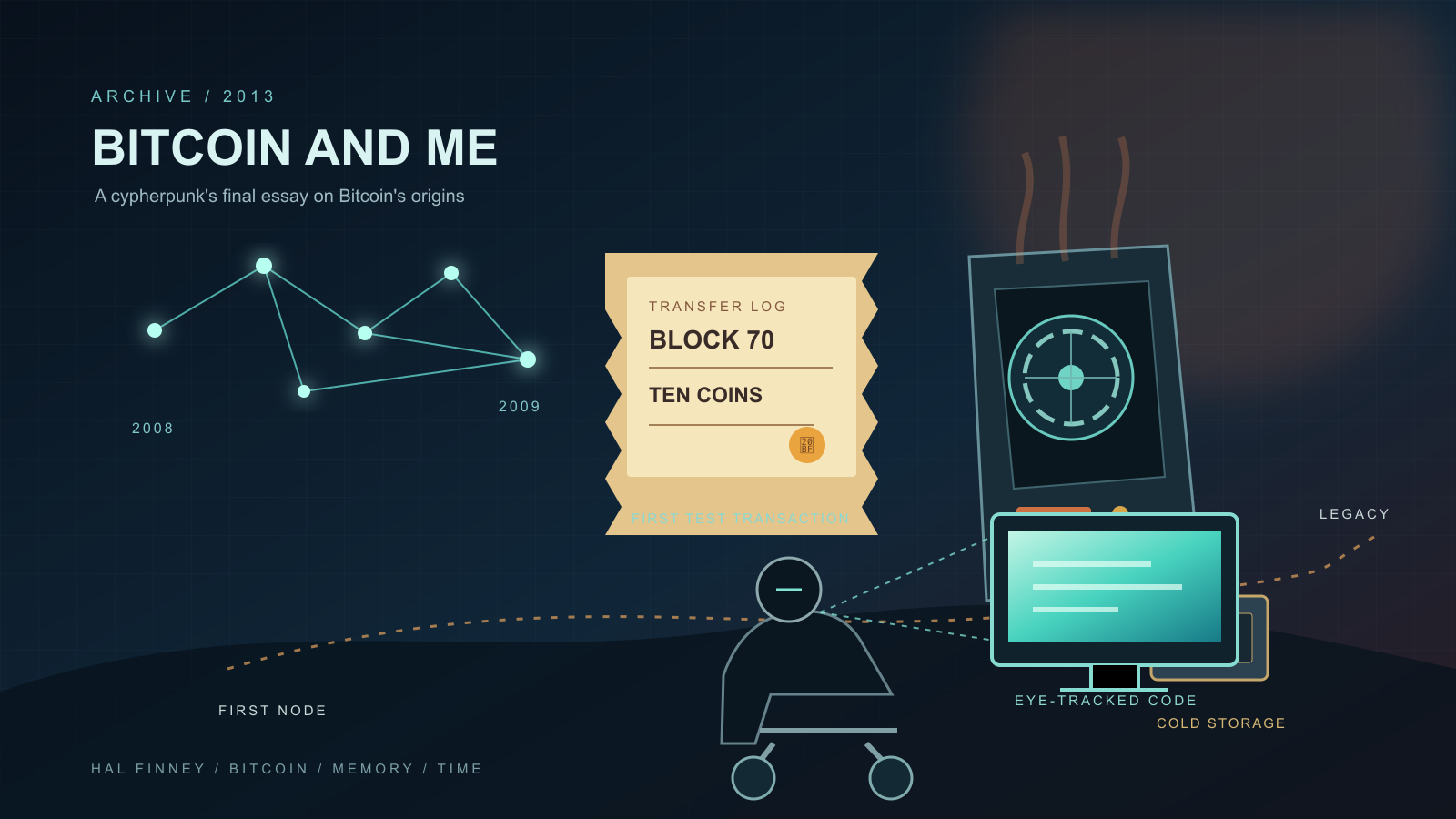
The commitment kept. Finney did keep shipping code through the disease. As his muscle control diminished, he developed a Bitcoin wallet using eye-tracking input at roughly 1/50th of his previous typing speed.
His 2013 “Bitcoin and Me” post — written when he could no longer move — documents the Bitcoin work he and Satoshi did together in the system’s earliest weeks and was one of the last things he wrote publicly. The 2013 post took its title and emotional arc from the trajectory the 2009 “Dying Outside” essay had set out. The four years between the two posts contain the longest sustained open-source contribution under ALS that is publicly documented for a Bitcoin developer.
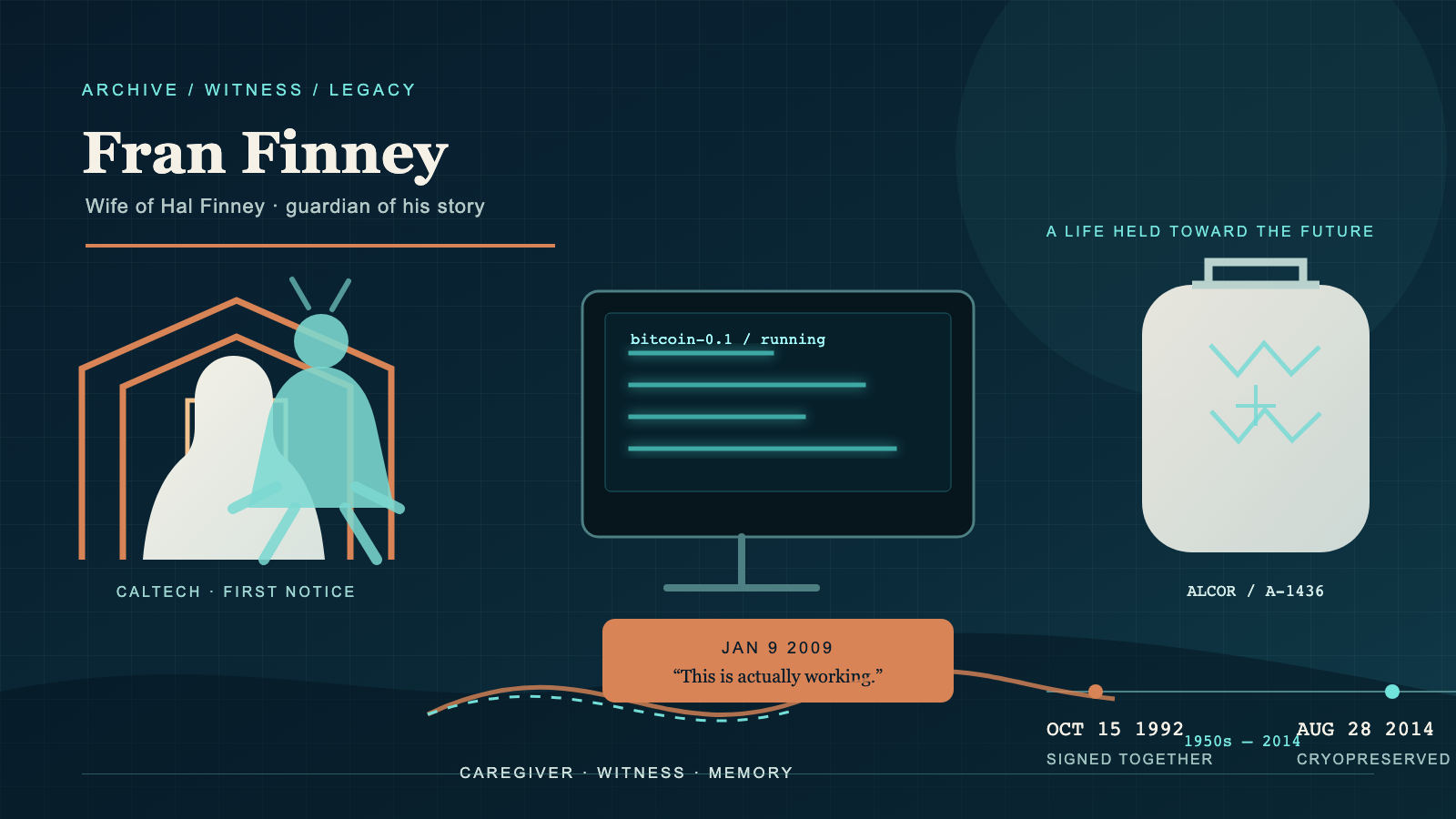
The cryonics frame. Finney was a long-standing member of the cryonics community (he had signed up with Alcor Life Extension Foundation decades before his diagnosis). The “Dying Outside” essay’s emphasis on the hedonic set point and the rationality of life-prolonging interventions is in dialogue with the cryonics-rationalist intellectual milieu that LessWrong belonged to. His wife Fran later described the same motivation in nearly identical terms, recalling that he simply wanted to see what the world would become.
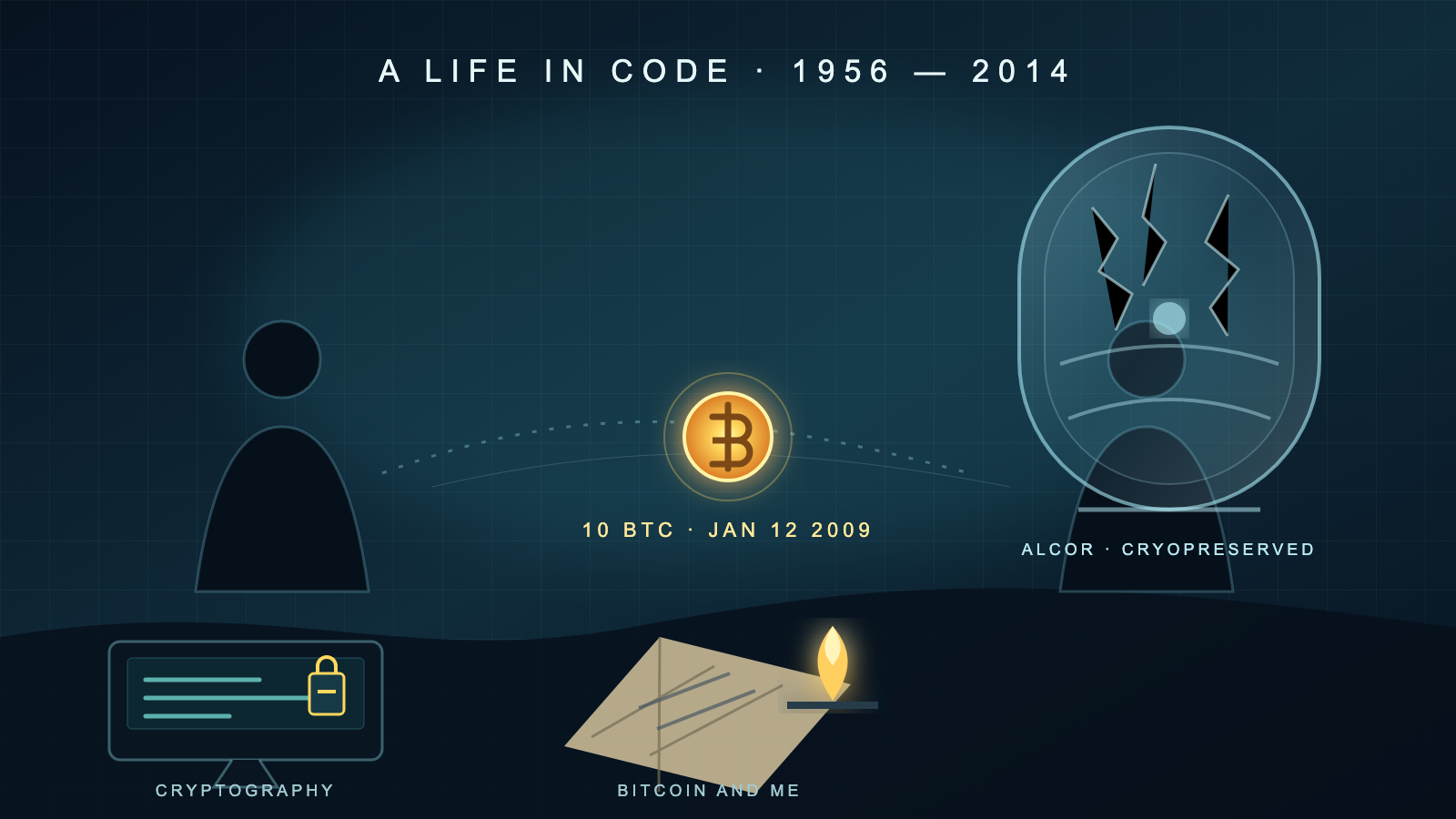
When Finney passed away on August 28, 2014, his body was cryopreserved at Alcor per his long-held intent, making him the most prominent Bitcoin figure committed to cryonics and connecting Bitcoin’s earliest network participant to the rationalist-cryonicist subculture from which several early Bitcoin contributors emerged.
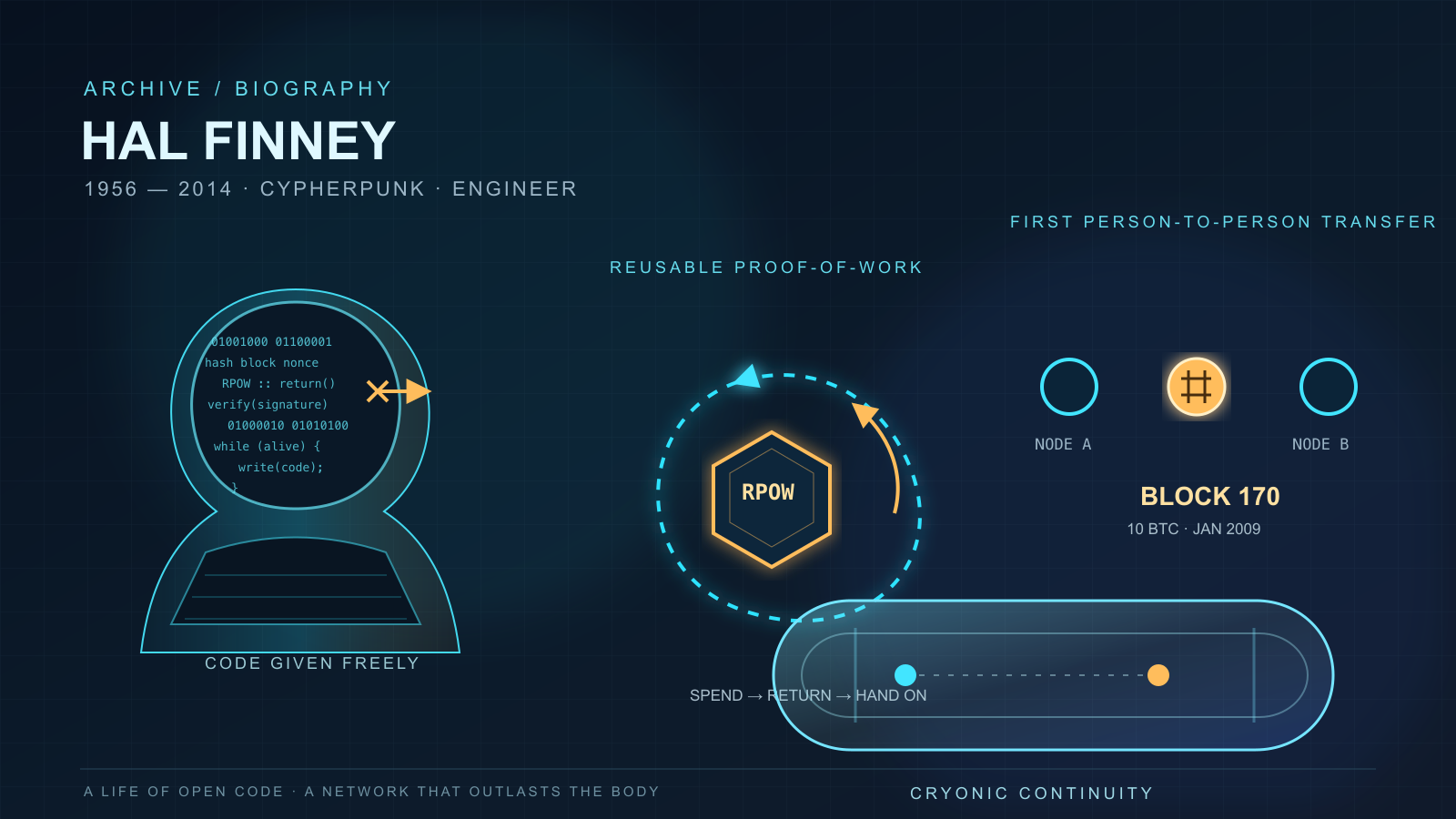
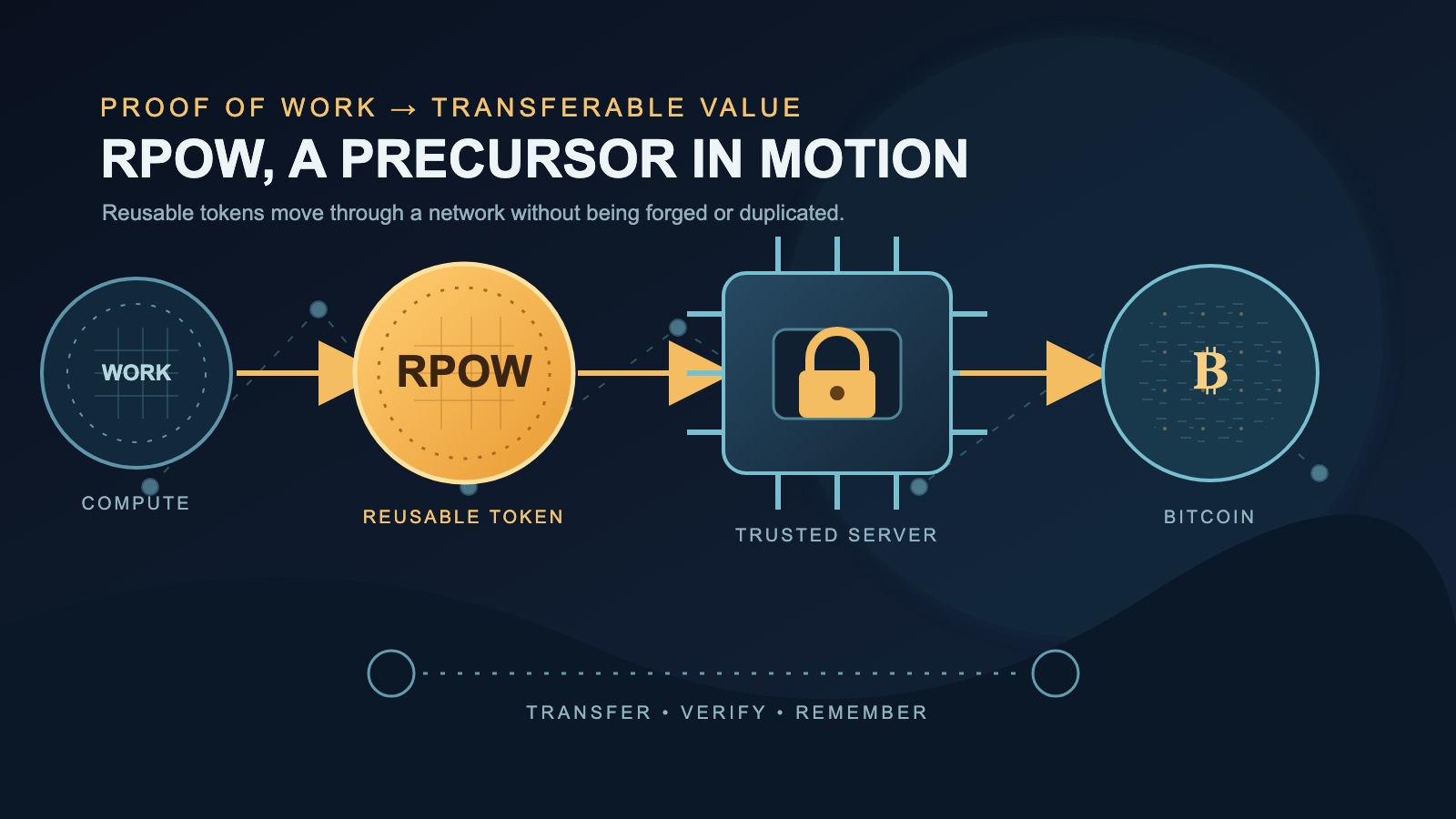
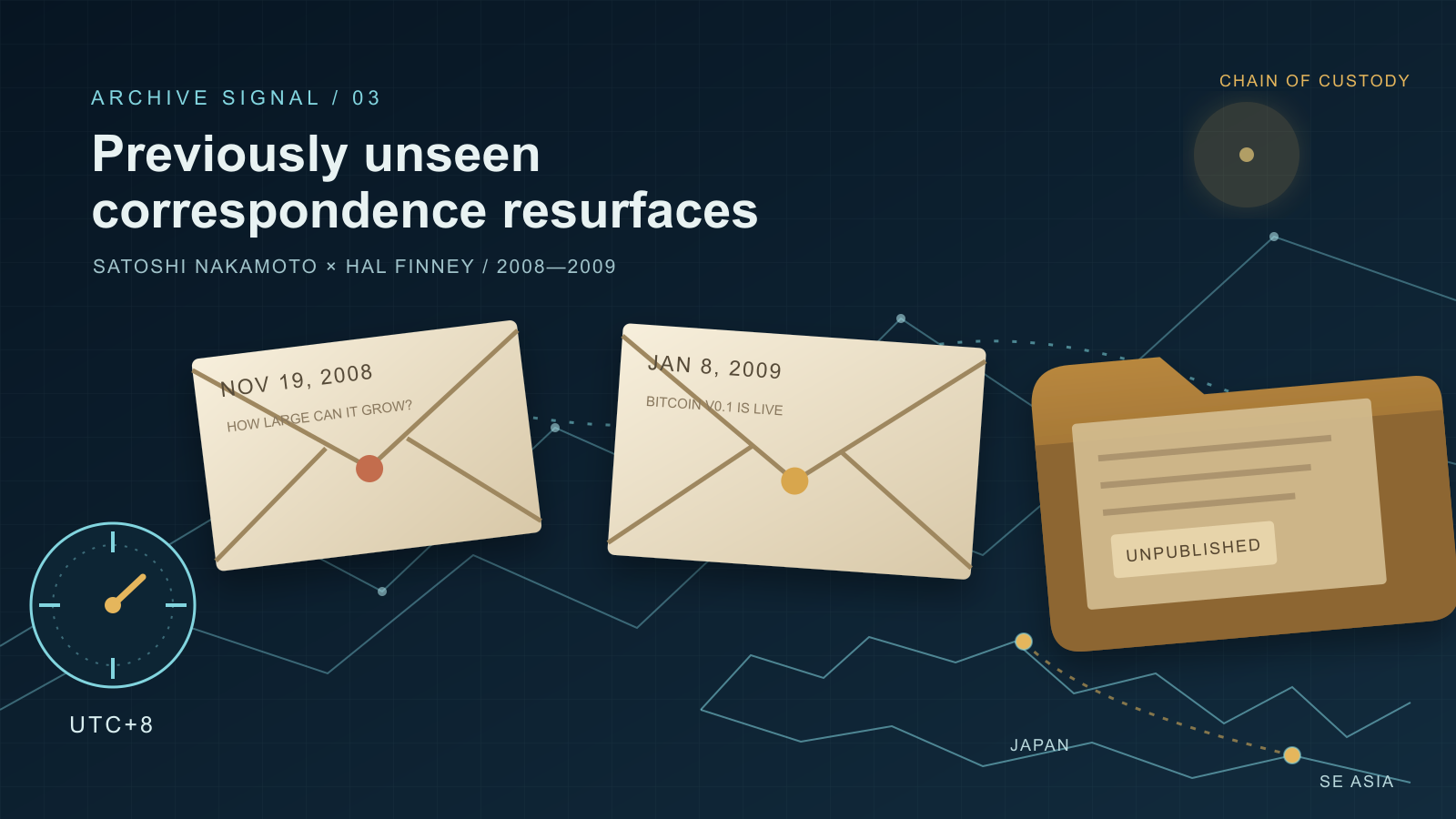
Position in the Bitcoin record. The essay belongs to the small set of Finney’s public writings that frame his Bitcoin participation. Alongside the 2013 “Bitcoin and Me” retrospective, the 2019 RPOW recognition noting his earlier reusable-proof-of-work system, and the 2020 CoinDesk release of unpublished Finney-Satoshi emails, it is one of the four documents that anchor the public record of Bitcoin’s first known network participant outside Satoshi himself. The October 2009 essay is the earliest of the four and the one in which the subsequent five years of Finney’s continued contribution is implicitly announced.