Creating a Bitcoin Buying / Selling Service

If someone wanted to create another bitcoin currency exchange site / service…
What are the relevant USA laws and/or regulations about operating a currency exchange, money transdfer system, etc., etc… within the USA?
What potential nightmares could one have, if operating within the USA?
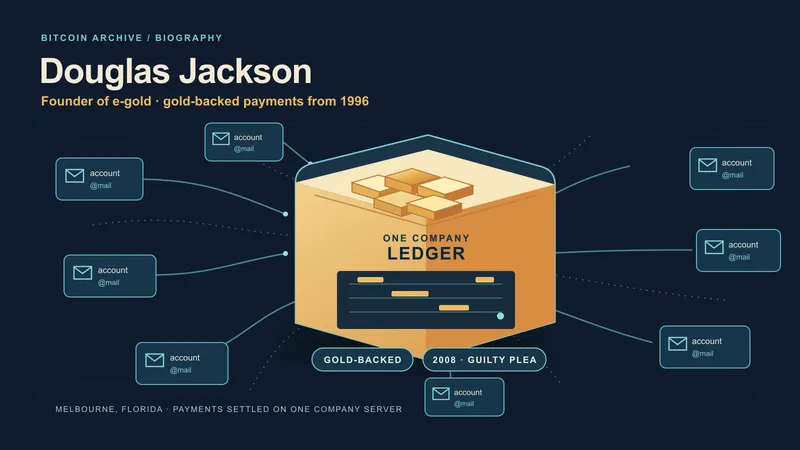
For example, the horror story that became of e-gold…
Is it even worth attempting?
What are the potential reward, benefits, etc…?
I was just asked,
You are thinking of making another exchange?
No. Not really.
First, I am just very curious about the laws and regulations… to make sure that those who set one up don’t get into any legal troubles later. I read with horror about what happened to the guy who started e-gold.
I am definitely not interested in setting up a sophisticated exchange web site like Mt Gox… NO Way! I appreciate all his hard work, but there’s No Way I would have time, or interest, enough to do that much work.
However, seeing from my own personal experience how DIFFICULT / CONFUSING it can be for a newbie to get started in Bitcoin, if they’re NON-TECHNICAL… I was thinking of maybe offering a Cash—>Bitcoin service myself… My first thought was… to help my friends get into it. My second thought was… to help my clients get into it. My third thought was, why not offer a Cash-by-Mail--->Bitcoin service…? Not so much as a business, but just for the sake of convenience. And to do my part to help promote more convenient use of Bitcoin as a more mainstream currency.
I thought, since I am located in New York City, USA. Mail to me would be much faster than mail to Canada. But I don’t want any legal issues or problems. Are there any relevant (USA) laws or regulations? Could this really be considered running an unlicensed “currency exchange” business? (Is it legally considered “currency”?? Who knows!?) Could this really be considered running an unlicensed “money transmission” business? Isn’t that what e-gold got charged with? What if my service only SOLD Bitcoins for cash, but did not buy them…? Could that be simply viewed as selling “virtual goods”… not real “currency”…? The question becomes, exactly WHICH laws will they try to say you broke? 😕 It’s a legal precedent that has yet to be set, apparently. No? Any USA lawyers in the forum?
A better solution would be to form a relationship with a company that already has expertise in making money-money transactions and persuading them to enable purchasing and redeeming bitcoins. Even a cheque cashing company would do.
This is a brilliant idea. Plus, it shifts all the liability over to the check cashing enterprise. :-) Why not!?
BQuote from: Bimmerhead on November 11, 2010, 6:17:35 PM UTCWas the e-gold guy buying/selling e-gold, or was he just matchmaking?
The e-gold guy CREATED e-gold, and he was the “Central Bank” of all e-gold, shall we say. Sort of the way Facebook is the central repository of all Facebook data, he was the central repository of all e-gold data. It ALL happened inside HIS servers, apparently. I know that Bitcoin is fundamentally different / better, technically. But, the USA laws, licensing issues, and all sorts of “banking” and “money transmittal agency” regulations he was hit with “violating” could still apply. Or could they? I don’t know.
BQuote from: Bimmerhead on November 11, 2010, 6:17:35 PM UTCWhat if MTGox franchised his exchange so that we could have an MTGox located in each country, making it easier to get money in and out by direct bank withdrawl?
This is a very good idea, technology-wise. Mt Gox already has an API. So, really, it’s sort of already in place. I’m assuming that anyone could use Mt Gox’s API to set up a local Cash—>Bitcoin shop, with instantaneous transactions. No? Mt Gox would still get their commission, so all would be happy campers, I assume. ( It’s just back to those nasty legal issues again. 😉
BQuote from: Bimmerhead on November 11, 2010, 6:17:35 PM UTCI have thought that requiring Facebook login would be one way to cut down on fraud. By using various Facebook facts about people you could make it more difficult for scammers:
I think it would be overall more cost-effective to do a bank verification process where the bank that issued the credit card actually CALLED the cardholder on the telephone number of record on the cardholder’s account and verified the transaction on the spot… over the phone.
However, no matter how much fact-checking you do, there is still no guarantee when it comes to payment methods with chargeback potential. It’s just not worth it.
If Convenience is truly the issue. I would think that offering to accept a credit card payment, and then wait with funds on HOLD for 90 days waiting for it to clear, past any chargeback date… is out of the question. It’s a boat that doesn’t float.
On the other hand,… going to an ATM (aren’t we always with 100 feet of an ATM at all times now?), sticking a few hundreds in a Fedex envelope and mailing them… for overnight 10am delivery, and 10am Bitcoins… seems more convenient that any other method. The other benefit is that it involved NO banking whatsoever. NO credit card. NO wire transfers. Ya don’t even have to deposit the funds into any bank at all, in the first place. Pretty convenient, if you ask me. (Of course, trust and security would be a must.)
But short of simply paying $45 to do a bank wire transfer, the way GoldMoney.com requires… (and nothing anonymous about that, to be sure!)… It seems like cash in the mail is the most convenient way to go. Second only to cash-in-person.
Imagine if you could buy Bitcoin at 7-Eleven. …at Walmart. …at Starbucks. …at Walgreens. All with cash. Now THAT would be cool.
Ya know. They sell every damn prepaid card known to MAN at Walgreens. Why wouldn’t they be willing to sell a prepaid card called, “The Bitcoin Card”…?
Hmmmmm… Especially if Walgreens was the ONLY retailer in Manhattan that sells them. They love that draw…
Things that make ya say, hmmmmmm…
Related entries (1)
Related entries
Am I correct in my assumption that: The real stumbling block is usually getting money INTO bitcoin. Getting money back out of bitcoin is not as difficult.
I too new to all this to know for sure… Is that true?
I assume that it’s true because using PayPal or MoneyBookers or Credit Cards to get money INTO Bitcoin is rife with fraud… so the transactions are much delayed.
I’ve seen places that say, “We will pay OUT via PayPal. But we will not accept payments IN via PayPal.”
That makes sense… because if I am going to get defrauded… it will be when the money is coming IN to me… not when I am sending it OUT to you.
As I understand it, the current “best practice” is to: Use either MoneyBookers or PayPal (and wait 7 days extra), or a Bank Wire Transfer —> ExchangeZone —> LiberyReserve —> MtGox USD —> Bitcoin
How long does that whole process take (then + 7 days more HOLD time, if you’re using Moneybookers or PayPal).
How much does that whole process cost? What % total would those fees add up to? PayPal/Moneybookers fees + ExchangeZone fees + LibertyReserve fees + MtGox fees = ? %
My thinking is that if you can make it very easy for the average person to get their money INTO bitcoin… They economy will then take care of itself. More and more people will be looking for ways to SPEND it. That means that more and more vendors will be looking to ACCEPT it… as a means to new sales opportunities!
If my logic holds true. It’s all about making it very very easy for average people (like your mom) to GET MONEY INTO bitcoin form.
Then, they can save it, spend it, or transefer it back out… Is it easy / fast to exchange bitcoin back out to USD cash? What’s the best “route” for that?
If that’s the only real hurdle… Then it seems like the most important challenge is to:
Provide a relatively… very easy, very fast, very anonymous, very safe way for new users to BUY Bitcoins with currency… with no possibility for chargeback.
It sounds like we need lots and lots of competing “Buy-Bitcoins-For-Cash-in-the-Mail” operations… on both coasts… of every country…
( It’s probably better, technically, to be selling them MtGox-USD instead of actual BTN, and let them then buy their own BTN on MtGox later… so that the exchange rate of USD—>BTC is controlled by the buyer… and not an issue for the “Buy-Bitcoins-For-Cash-in-the-Mail” operation. )
No?
After all the research Ive done this is the best possibility I could find for exchanging bitcoins.
http://www.xe.com/fx/
Xe.com sells bitcoins? I can’t find any reference to Bitcoin on their site at all…
BQuote from: Bimmerhead on November 12, 2010, 1:08:14 AM UTCOr if everyone on the forum became a bitcoin retailer for face-to-face transactions in their city, that might help too.
That’s a great idea too! What if someone were to set up a web page… that’s sort of a directory of individuals who are willing to do face-to-face cash transactions for bitcoin… Listed sorted in order by: country / state / city…
It could list individuals, small stores, maybe even eventually local chain stores, and/or currency exchange/check cashing stores… all that are willing to sell bitcoin for cash.
The list will just grow and grow… :-)
This could be one of the simplest easiest ways… second only to being able to purchase them online with a credit card.
I think, for the new user, the ideal easiest way to buy bitcoin would be:
(1) to buy them online with a normal credit card (if they can wait 90 days for access to them) (2) to buy them face-to-face at from a local source with cash (if they want them immediately) (3) to buy them with cash by mail (if they want them in 2-4 days)
There is a very common misnomer that I’d like to address. Someone above said that using alternative currencies is illegal “in most countries”. I meant to answer that, but forgot to.
I’m not sure about “most countries”. I can only speak for the US. But here in the USA, using your own made-up currency is absolutely 100% legal. I’ve watched television PBS documentaries about it where they explain… That many people assume that it’s not legal, but in fact it is 100% legal.
For example, there are many small communities that have created their own currencies as an incentive to shop in the local main street stores. Retailers, for example, might sell you $100 BoulderBucks for $90. That $100 BoulderBucks can then be spent at any of the stores on Main Street in Boulder at its face value. (%100). They print bills in all denominations. And even the local BANK branches sell BoulderBucks for USD cash. (I made up “Boulderbucks” But google it and YouTube it. There are many real examples of this happening in the US.) It is totally legal.
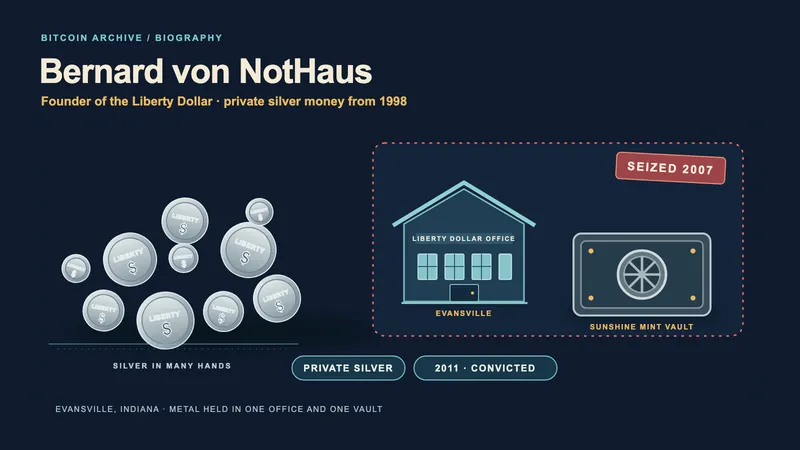
There is another common misnomer. People think that the Liberty Dollar people got in trouble for creating an alternative currency. Not True! They got into trouble ONLY because they were accused of trying to pass their coins off as US official currency. In other words, it LOOKED TOO SIMILAR TO US official federal reserve currency.
That’s why it is important that the “BoulderBucks” come in purple and pink and yellow. That they are a different size than federal reserve notes. And they do NOT call themselves “dollar” or “cash”, etc.
A good analogy might be: It’s perfectly legal for a mall, hospital, large building, shopping district, neighborhood … to hire and have their own private security officers. It’s NOT legal if they call themselves “Police”. It’s the act of “impersonating an officer” that is illegal.
Similarly, it’s Only the act of “impersonating real federal reserve currency” that is illegal --- and what shut down the Liberty Dollar. ( I often think, if they had made them square, with a hole in the middle, never called them coins or dollars — just “Liberties”, for example, they’d still be going strong today.)
But now we have something perhaps better than silver liberties to buy coffee with, or tip or shop online with… digital “currency”. Bitcoin.
Another point I’d like to make: In fact, there IS a precedent for selling “digital virtual goods” for cash. These games on Facebook like Farmville, and many other online miltiplayer games SELL VIRTUAL DIGITAL ITEMS to players for real money. There’s certainly nothing illegal about that. Presumably someone could then sell that virtual item to another player for money too, and get his money back. If That’s how it works, there’s certainly nothing illegal about simply SELLING bitcoin for cash. (At least not here in the USA).
However, if you were selling bitcoin for cash to someone in the US, and also selling cash for Bitcoin to someone in Iran… then they might just look at the whole digital pathway as one big money transmission system, and accuse you of running an unlicensed “money transmission” service. This seems especially likely If You’re dealing with large amounts of money, and sending and receiving it from every country globally.
On the other hand, if local BANKS legally sell “BoulderBucks” for cash, and these BoulderBucks can legally be spent for goods and services on Main St… Why then couldn’t we legally do EXACTLY the same thing with Bitcoin. Only difference is: It’s digital instead of printed on funky purple and pink paper.
Another side point: I’d be willing to bet that those local retailers and banks who sell “BoulderBucks” (or whatever they call them), are NOT charging sales tax when they “sell” BoulderBucks. The justification is that the retailers on Main St are charging sales tax, when the goods and services are actually being sold. So there is a precedent for NOT charging sales tax when selling bitcoin.
On the other hand, these online games like Farmville, sell “virtual digital items” (like seeds or clothing or whatever) to players. I bet they do charge sales tax - if the company is in the same state. Can anyone verify if that’s true? If so, that might be a precedent that one SHOULD charge sales tax “on the sale of a virtual digital item”. Who knows?
One last thought: I believe that that laws in Canada must be very similar to the US regarding private currencies. Google: “Canadian Tire Money” …for a big surprise …if you don’t already know about it.
Related entries (1)
Related entries
Proof of delivery of an empty envelope won’t prevent a chargeback. Mailing a “receipt” (in effect) does not qualify as tangible goods. And none of that will help if the credit card number is stolen.
But if you send something tangible to the billing address, you give the real credit card owner a chance to let you know if he really wants the bitcoins or if someone compromised his card. Should cut down on the part of the problem presented by credit card thieves, no?
No. It’s an idea on the right track… But too little, too late. And you’re mixing two different issues.
The guy’s already GOT the bitcoins. Unless you make him wait a week or eight… to see if you hear anything back from the cardholder. And what if the cardholder just IGNORES your package. You’re still not off the hook. The bank can just TAKE your money right back out of your merchant account… up to 6 months later!!!
The sending “something tangible”… Forget that. A receipt or invoice is not “something tangible”… And besides, the only purpose for that is to avoid chargebacks.
Fraud is NOT the same as a customer-initiated chargeback. Fraud is when someone uses a stolen credit card number… not when the customer changes his mind… or decides to say he never received “the goods”.
I think http://BitcoinGateway.com has pretty much solved both of these problems. He actually CALLS the issuing bank. Verifies that cardholder’s phone number. Then CALLS the cardholder, and records the call.
This prevents fraud. He actually spoke to the cardholder (unless the fraudster also commandeered the cardholder’s phone line too!) He recorded the call, which is evedence that the customer ordered “the goods”.